Researchers developed a new technique that combined mass spectrometry and label-free optical imaging to map molecular and structural changes in healthy and diseased lung tissue, providing new insight into bronchopulmonary dysplasia.
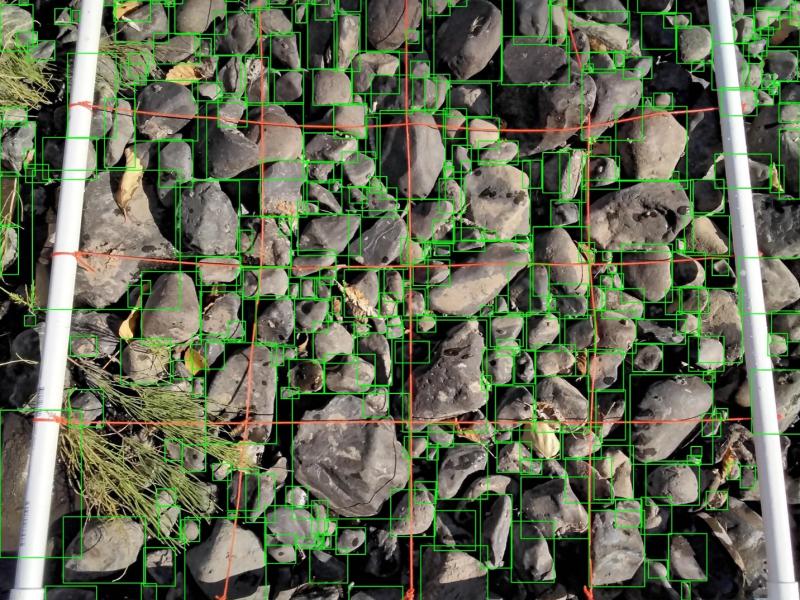
Across 47 sites in the Yakima River Basin of Washington State, faster oxygen consumption occurred with warmer water, more nutrients, and more suspended solids.
Dynamic organic matter traits tied to reactions can surpass static descriptors in explaining decomposition rates and responses to environmental change.
Using an AI approach to combine outputs from microbial models and apply them as inputs to reactive-transport models reduces computational time by several orders of magnitude.
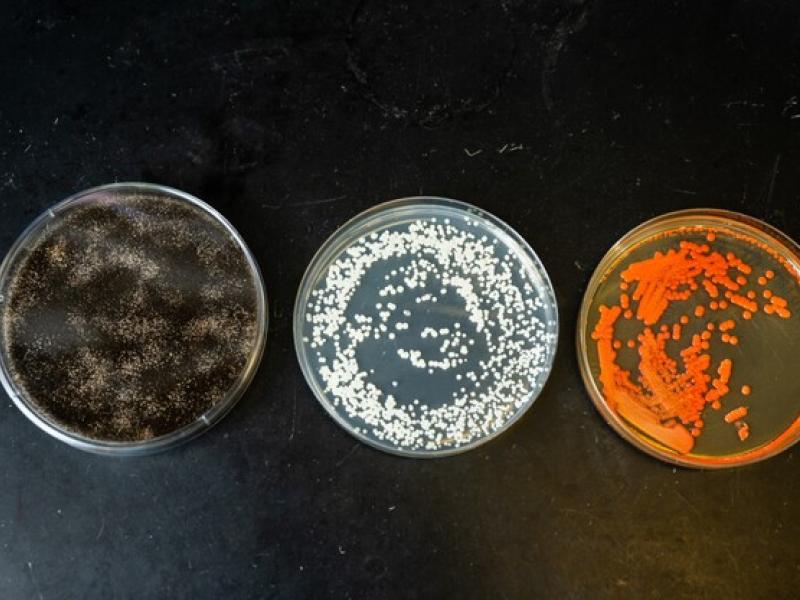
Integrating experiments and modeling show how a fungal exudate-inspired substrate mixture elicits an emergent growth phenotype and metabolic responses in Pseudomonas putida.
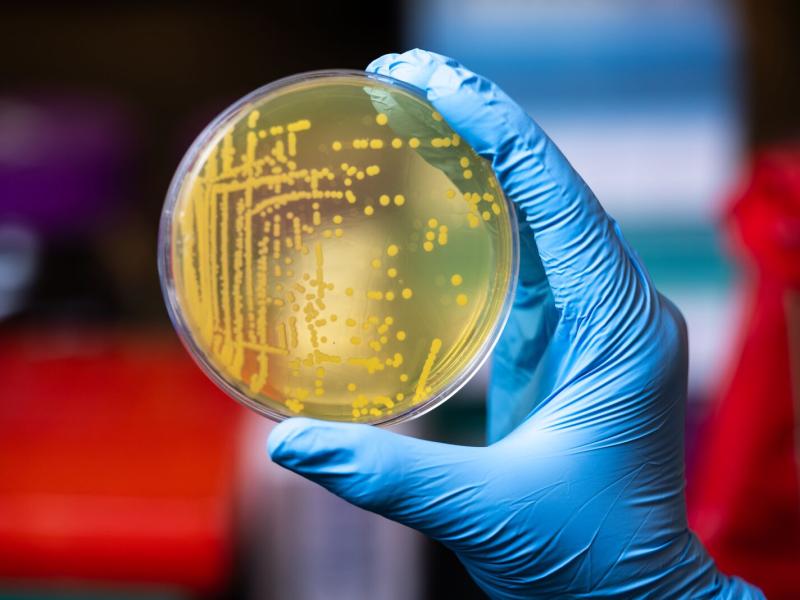
Uncovered how the choice of carbon source influences the stress tolerance, redox balance, and regulatory responses of yeast, which can help provide resilience against scale-up challenges.
Researchers at PNNL have developed an interpretable, lightweight AI model that can easily predict weld microstructure features using only basic machine sensor inputs.
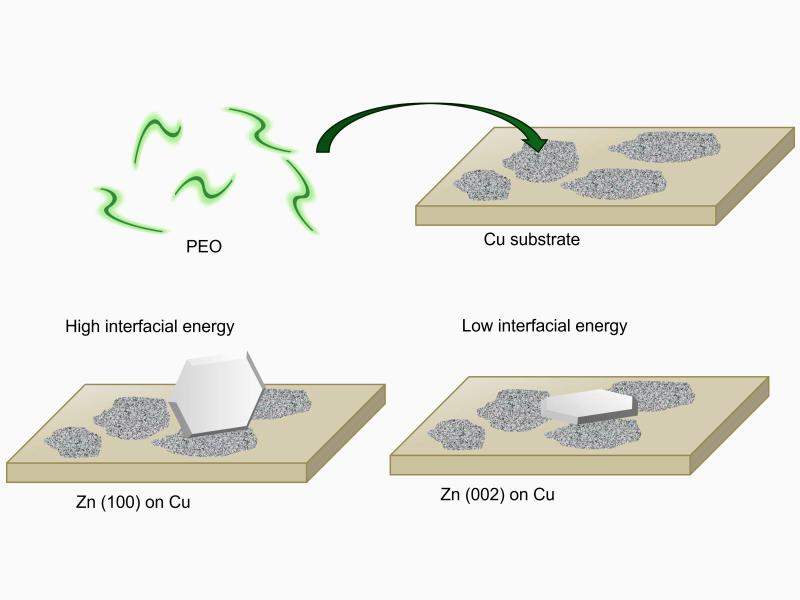
Researchers discovered that a polymer additive promotes smooth, layer-by-layer deposition on metal electrodes by tuning interactions with the substrate.
Matteo Muratori, director of transportation and industry programs at PNNL, has been named to the 2026–2028 cohort of the National Academies of Sciences, Engineering, and Medicine’s New Voices Program.