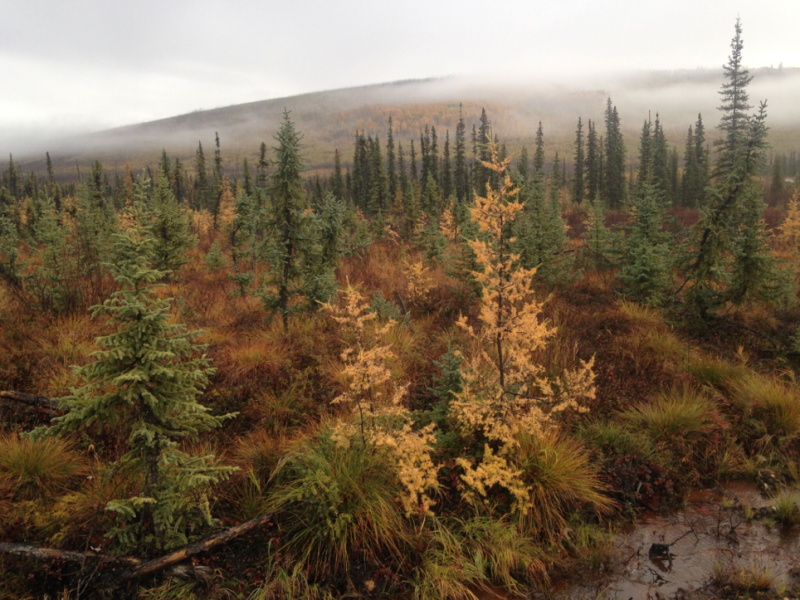
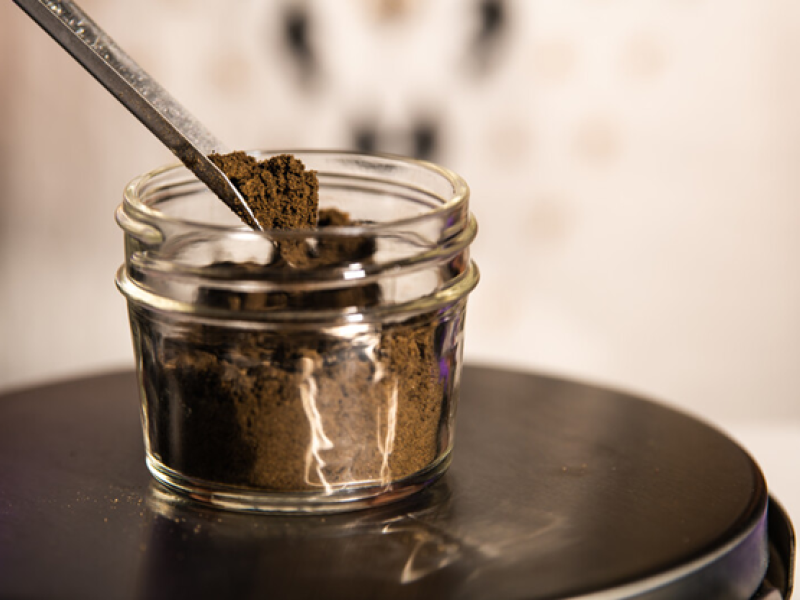
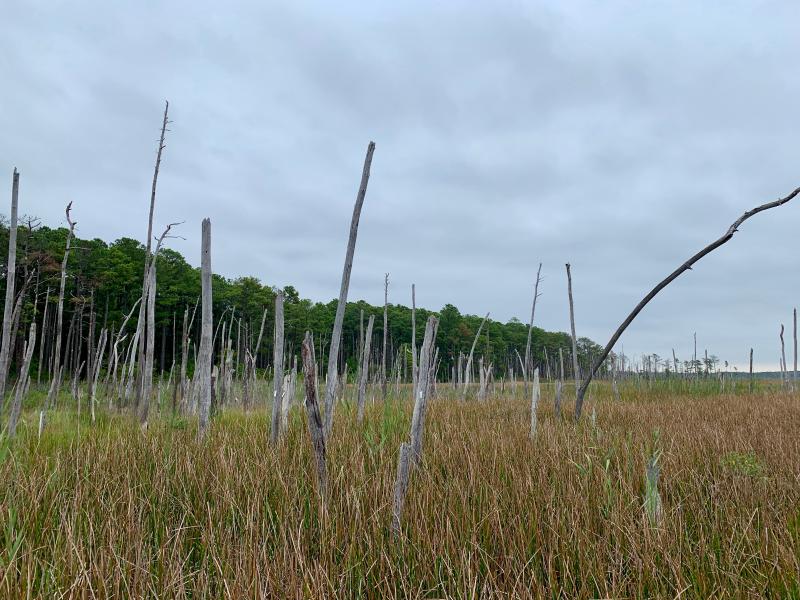
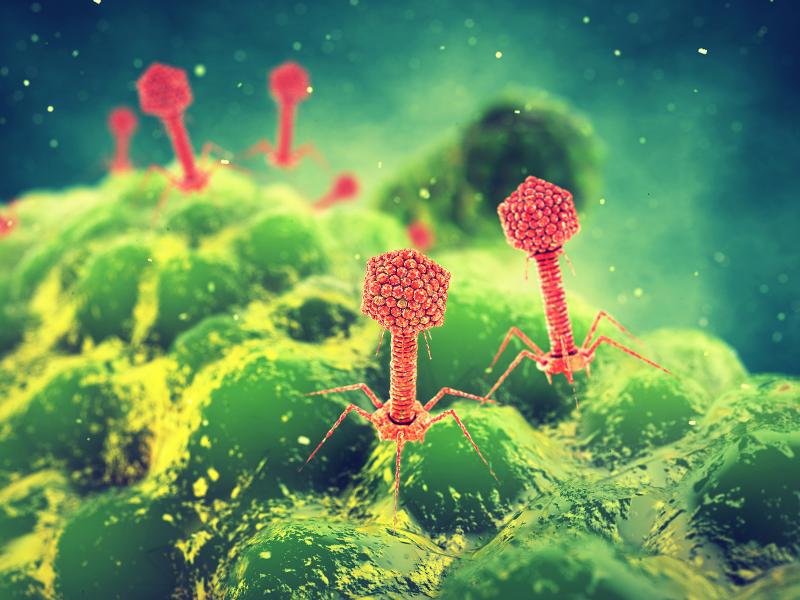
Microbes that were previously frozen in soils are becoming more active. This study demonstrates the diverse RNA viral communities found in thawed permafrost.
Staff at PNNL recently completed a report highlighting commercial products enabled through projects funded by the Department of Energy’s Building Technologies Office.
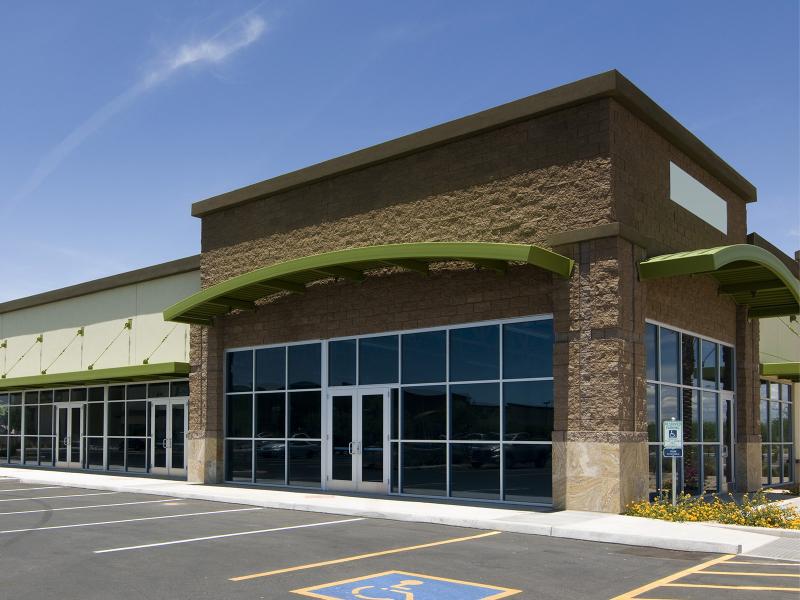
The Simple Building Calculator, developed at PNNL, meets a need for a quick, interactive, and economic method to evaluate energy use—and potential savings from efficiency measures—in simple commercial buildings.
The Joint Appointment program at PNNL is one of the most diverse among other U.S. national laboratories, involving nearly 60 universities and research institutions in the United States and abroad.
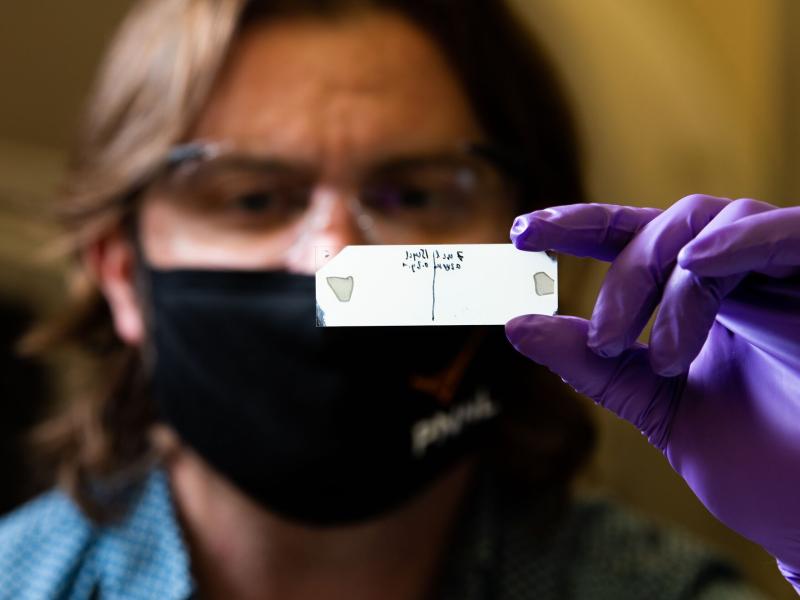
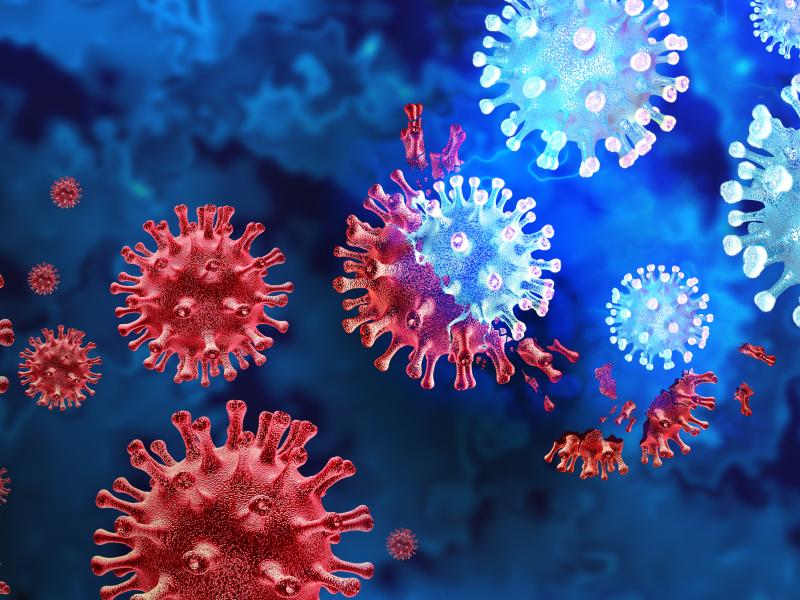
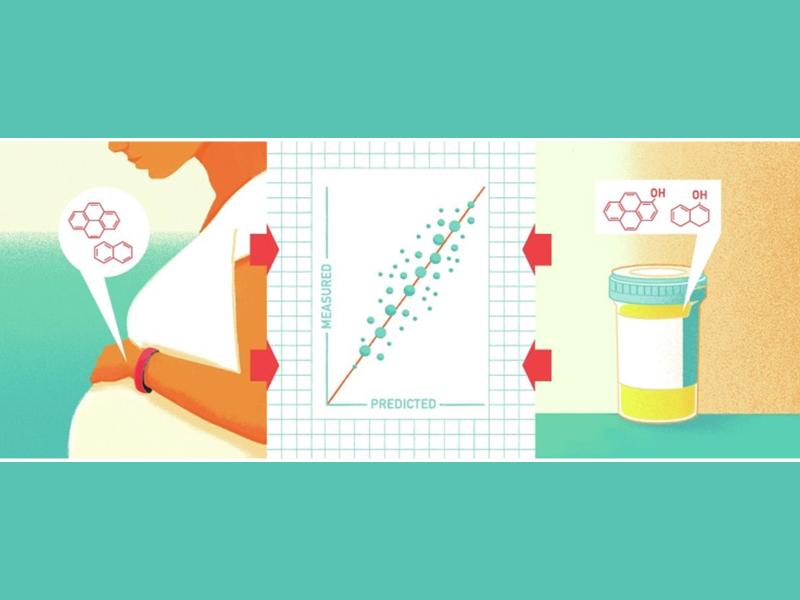
To thwart pathogens, researchers in the epidemiology field of infectious disease (ID) prediction are continuously trying to forecast when, where, and how an ID event will occur.
As leaders in AI and machine learning, PNNL experts are sharing their latest findings at the 36th annual Neural Information Processing Systems (NeurIPS) Conference, Nov. 28–Dec. 9, 2022.
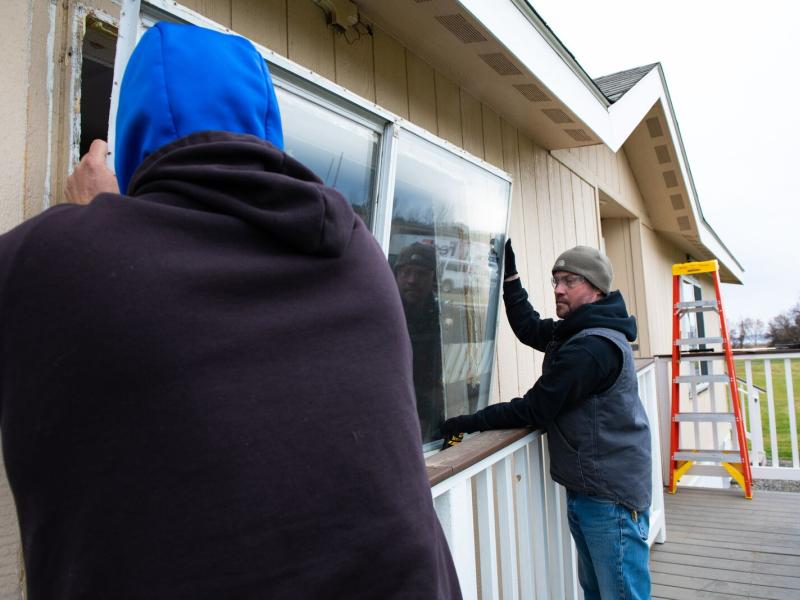
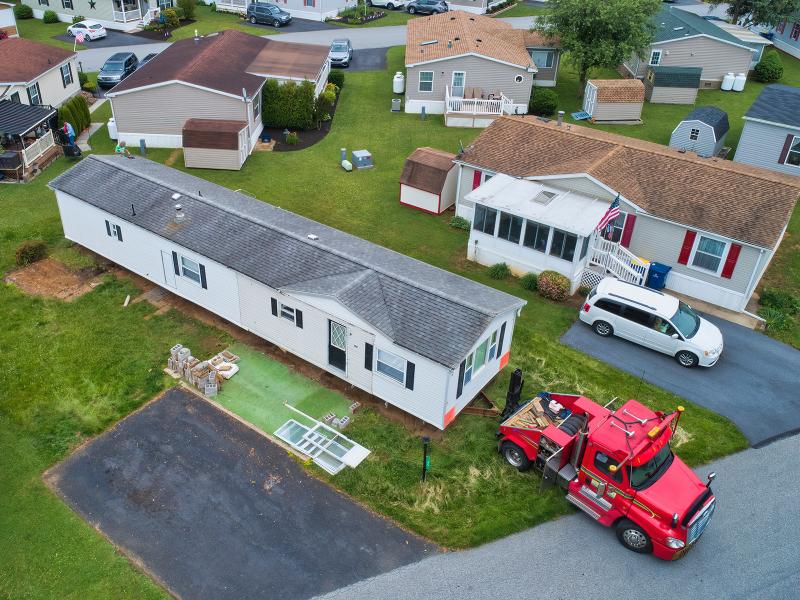
The Department of Energy has issued updated energy conservation standards for manufactured homes. The effort to establish the standards, supported by PNNL, is expected to result in a range of benefits for the manufactured housing sector.
A new version of the Department of Energy’s Technical Resilience Navigator allows users to prioritize resilience solutions based on both risk reduction and emissions impact.
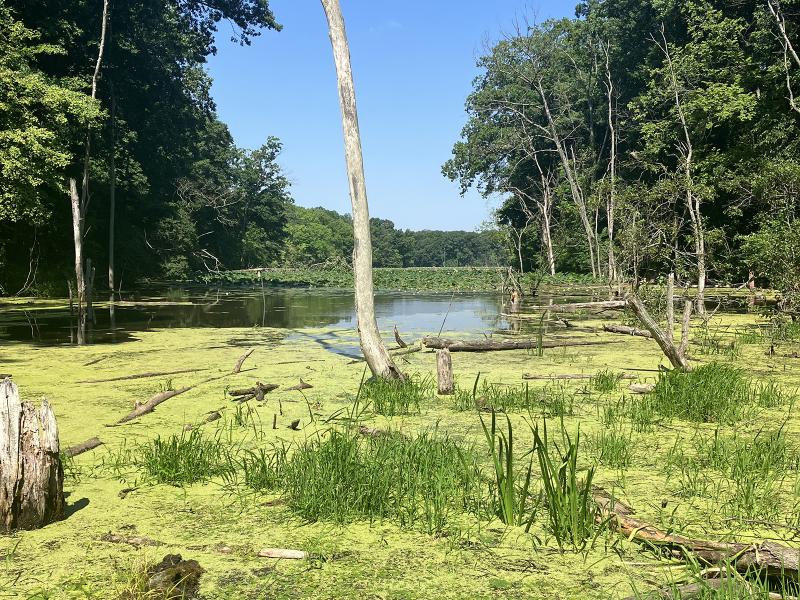
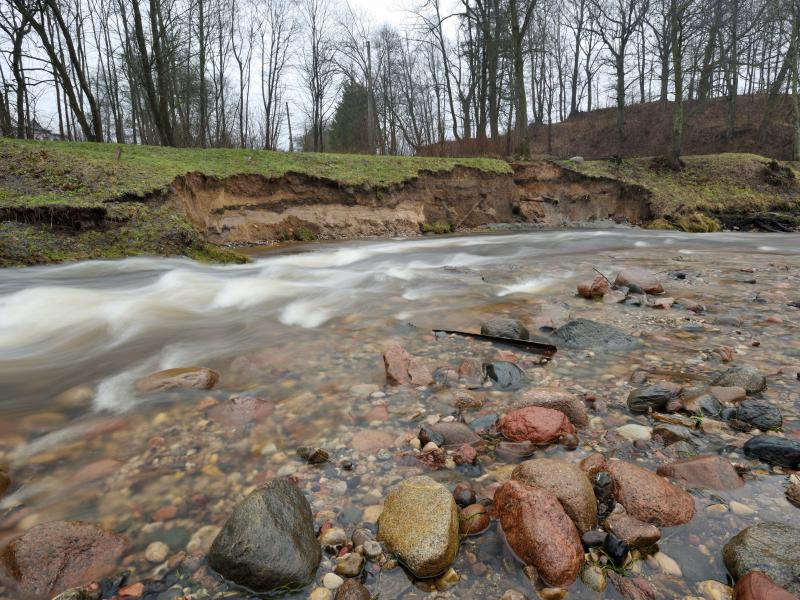
Across the United States, water moving between the river and riverbed sediments does not overcome localized processes that govern organic matter chemistry.