PNNL has developed a next-generation electrical resistivity tomography system for DOE that uses E4D software and AI-enhanced modeling to produce real-time subsurface images that help guide environmental remediation decisions.
Distributed science is thriving at PNNL, where scientists share data and collaborate with researchers around the world to increase the impact of the work.
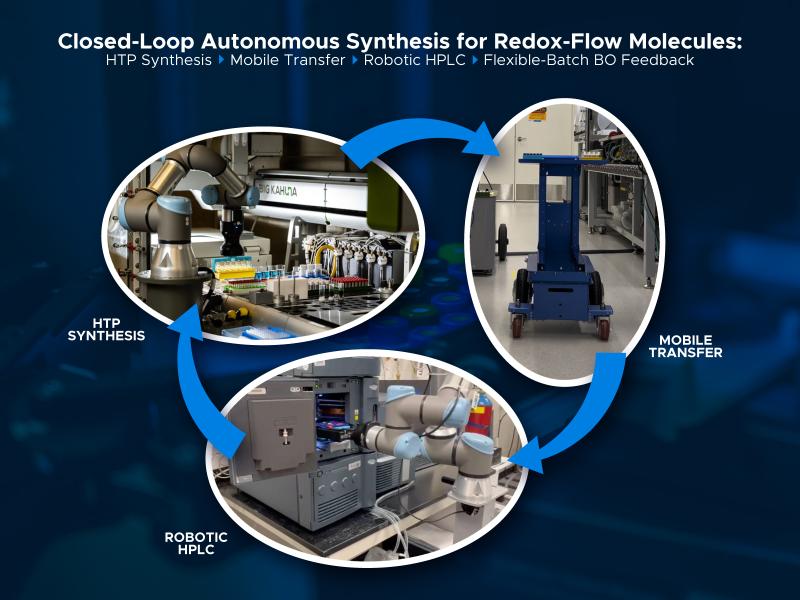
A closed-loop workflow brings together digital and physical frameworks to advance high-throughput experimentation on redox-active molecules in flow batteries.
PDX, PNNL, and Sandia National Laboratories are exploring the feasibility of hydrogen fuel for the PDX bus fleet—an idea that could have novel benefits for hazard resilience.
After 20 years of contributions to the field of hydrogen safety, the Hydrogen Safety Panel launched its new mentoring program at PNNL earlier this year. Now, the program has selected its first two mentees.
To improve our ability to “see” into the subsurface, scientists need to understand how different mineral surfaces respond to electrical signals at the molecular scale.
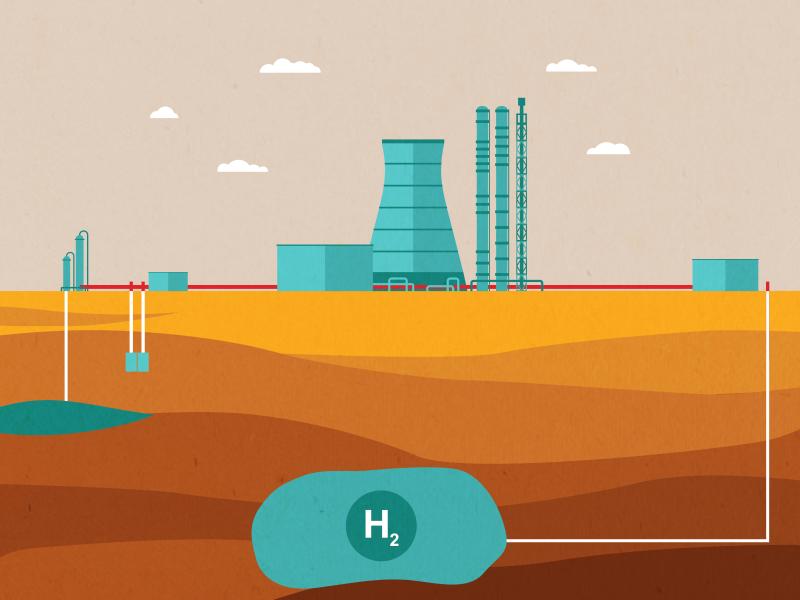
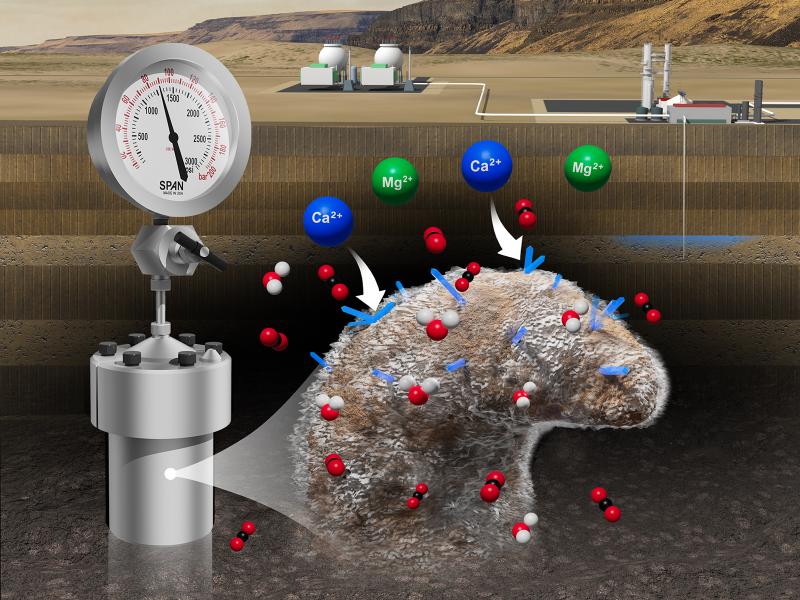
The SHASTA program is doing a deep dive on subsurface hydrogen storage in underground caverns, helping to lay the foundation for a robust hydrogen economy.
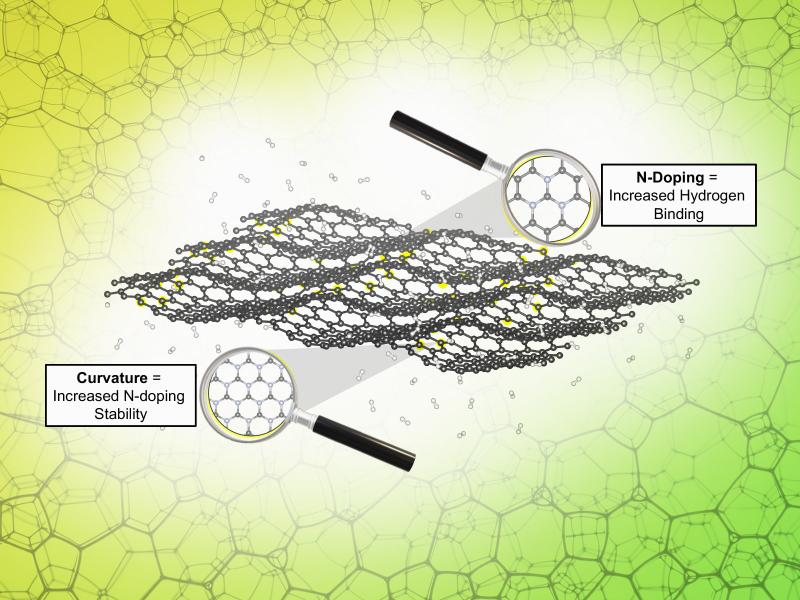
Identifying how curvature affects the doping and hydrogen binding energies of carbon-based materials provides a framework for designing hydrogen storage materials.
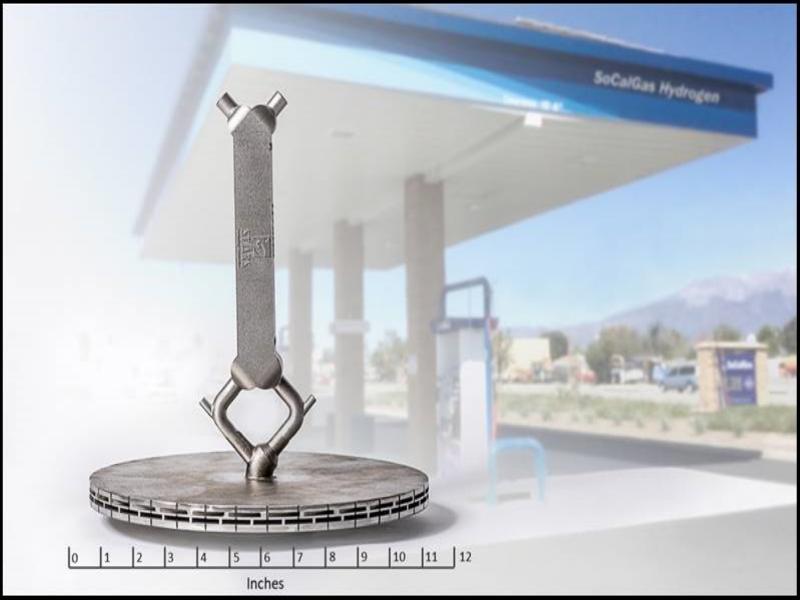
Patented microchannel heat-exchange technology enables the production of hydrogen from methane, the main ingredient of natural gas, while producing 30 percent less carbon dioxide than conventional processes.
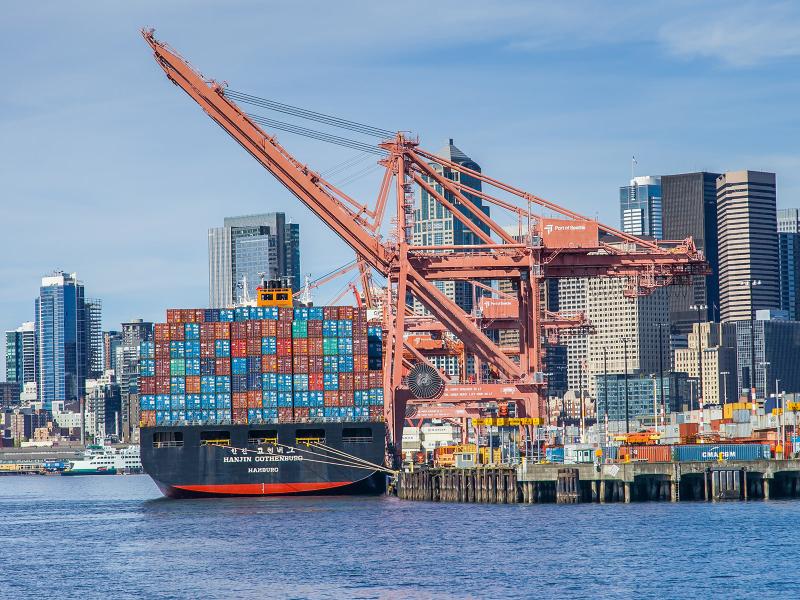
PNNL is working with the Port of Seattle and Seattle City Light to assess the risks of long-term hydrogen storage that can bring clean power for decarbonization.