Researchers at PNNL are sharing work grounded in One Health, which connects human, animal, plant, and environmental data to improve situational awareness, early warning, and decision-making.
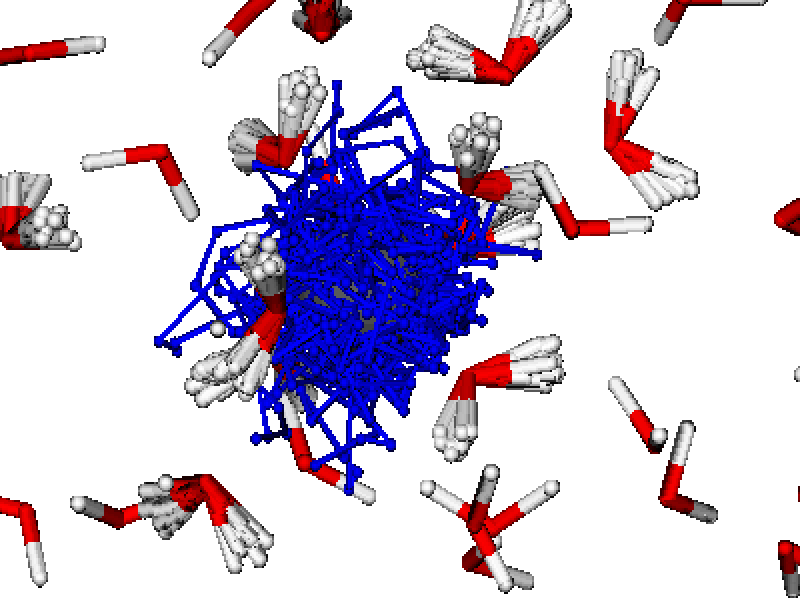
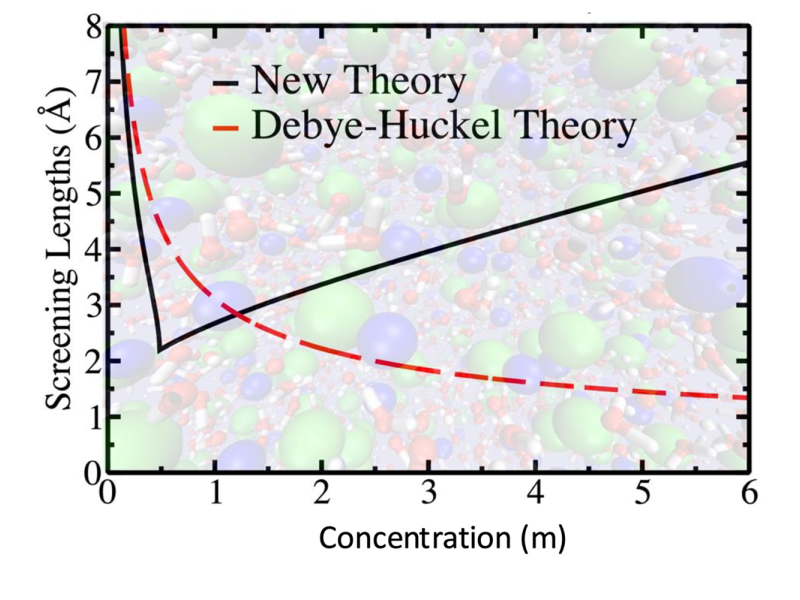
Scientists uncovered the molecular basis of nitric acid speciation across dilute and concentrated solutions and identified competing hydration-shell rearrangements around lanthanide ions at the dilute limit.
PNNL has formed a partnership with the Orlando-based firm Refinity, which has licensed a key process from PNNL that will help the company convert mixed plastic waste into valuable industrial products like chemicals, plastics, and fuels.
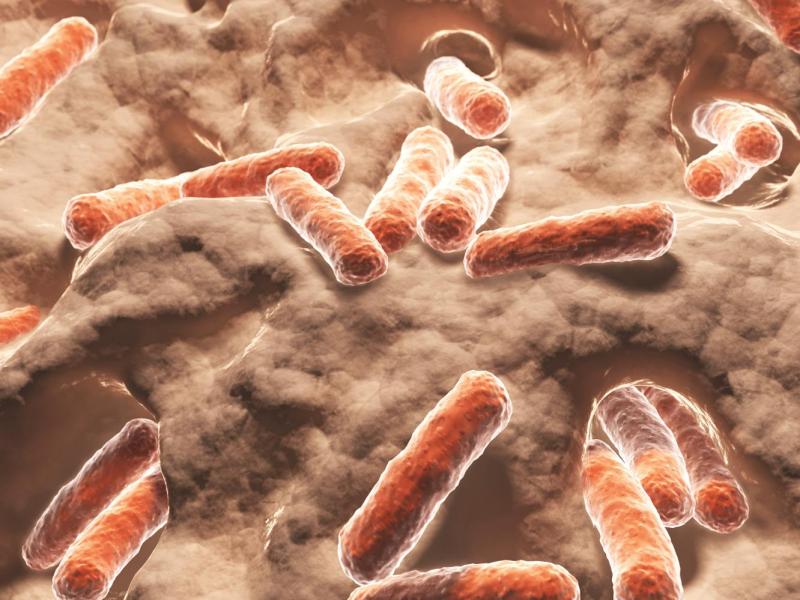
A new report highlights a public workshop hosted by the National Academies Forum on Microbial Threats and features PNNL's Lauren Charles and the AI-Driven One Health Security program.
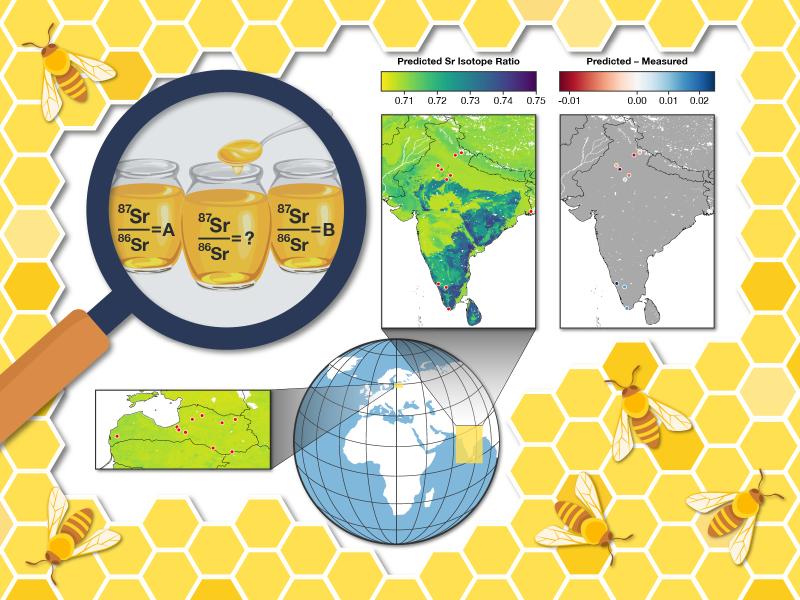
A study by researchers at PNNL assessed the feasibility of using strontium isotope ratios and an existing machine learning–based model to predict and verify a product’s source—in this case, honey.
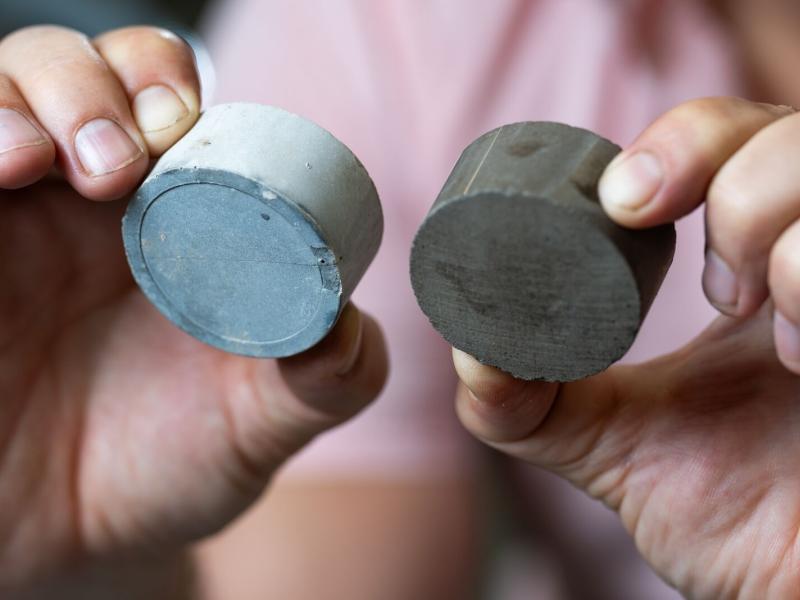
PNNL researchers have found yet another way to turn trash into treasure: using algal biochar, a waste production from hydrothermal liquefaction, as a supplementary material for cement.
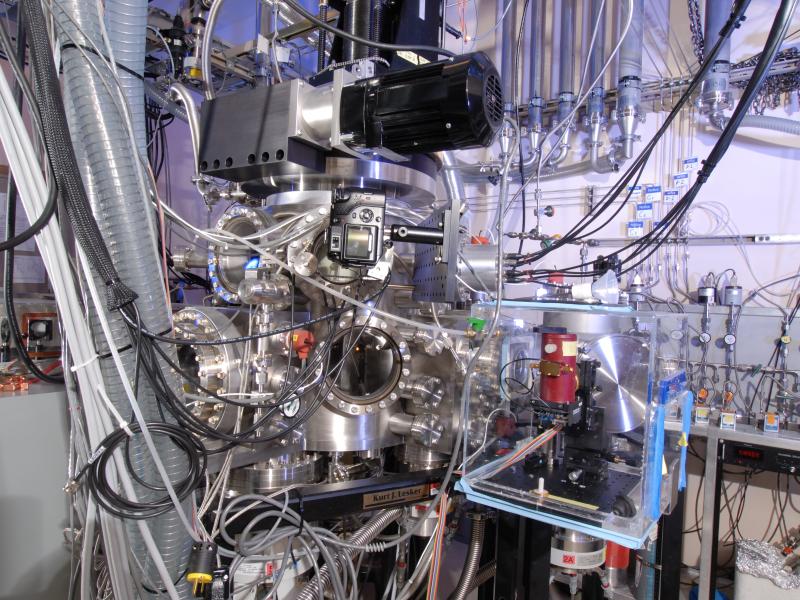
Delivering an integrated quantum-mechanical and experimental perspective on the effects of both intrinsic and externally applied electric fields at atomic-scale interfaces.
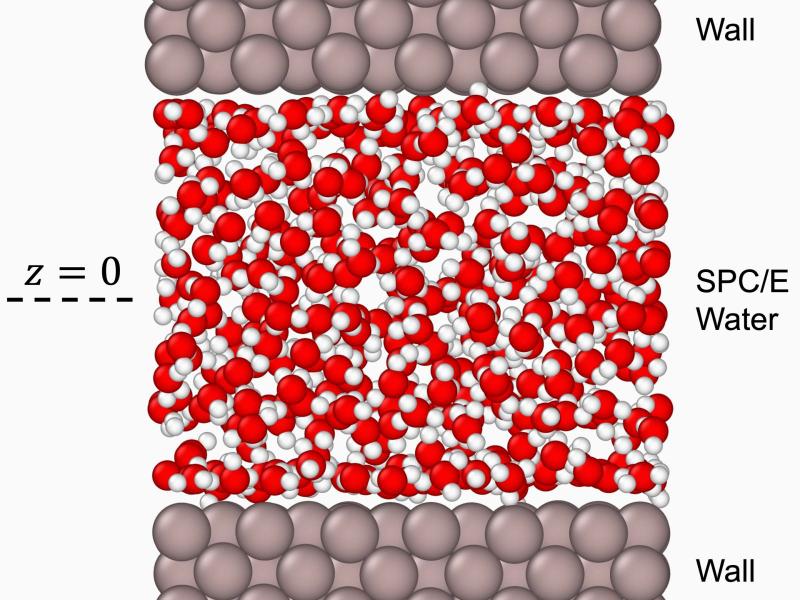
The first measurement of the proton diffusion constant at cryogenic temperatures provides insights into the mechanism of proton movement in supercooled water.