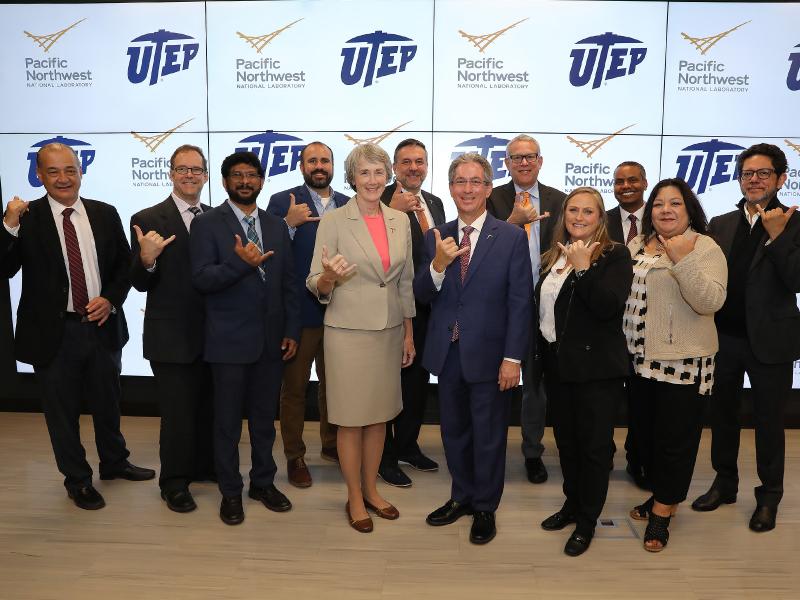
PNNL welcomes new joint appointments to expand the research productivity and scientific impact of both PNNL and the university partners, broadening the base of expertise at each institution and helping to build interdisciplinary teams.
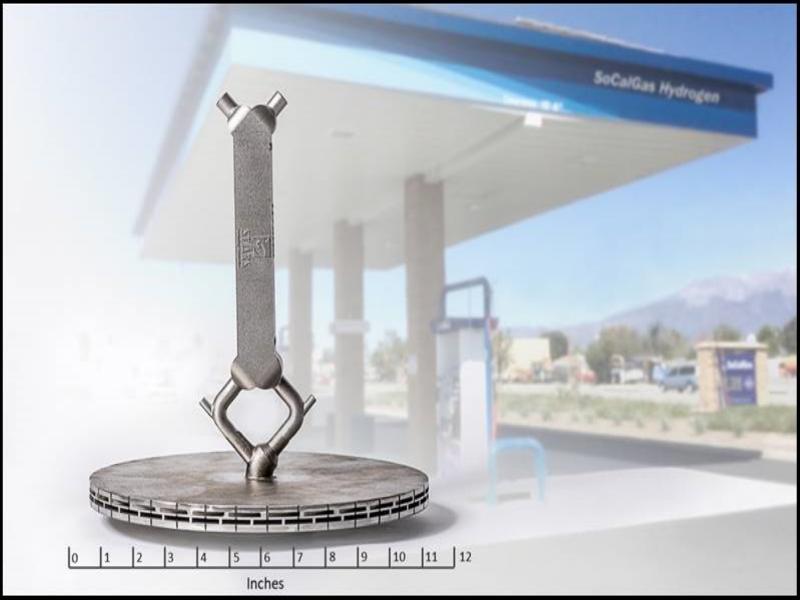
Patented microchannel heat-exchange technology enables the production of hydrogen from methane, the main ingredient of natural gas, while producing 30 percent less carbon dioxide than conventional processes.
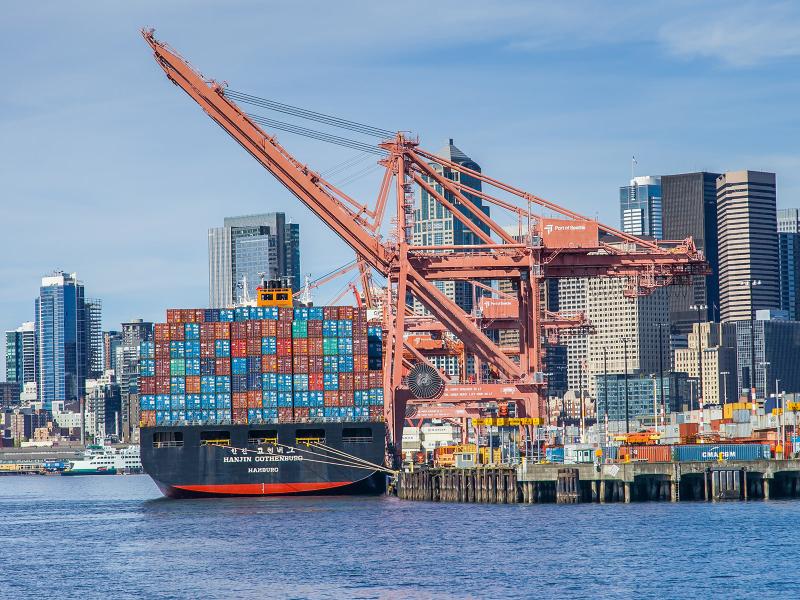
PNNL is working with the Port of Seattle and Seattle City Light to assess the risks of long-term hydrogen storage that can bring clean power for decarbonization.
The work by the team at PNNL takes a critical step in leveraging ML to accelerate advanced manufacturing R&D, specifically for manufacturing techniques without access to efficient, first-principles simulations.
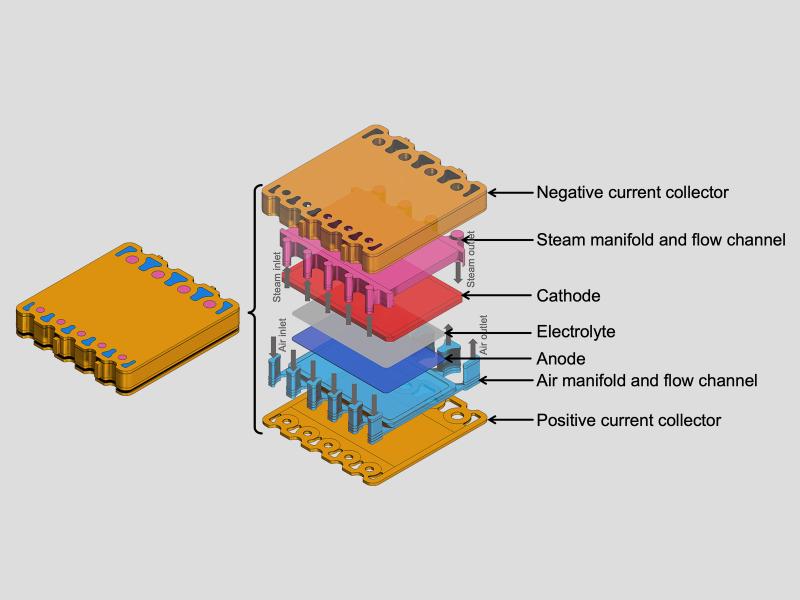
A PNNL team developed and used a model framework to understand the performance and structural reliability of a state-of-the-art solid oxide electrolysis cell design.
A new web-based tool provides easy-to-understand progress metrics and other data about groundwater cleanup sites overseen by the DOE Office of Environmental Management.
PNNL researchers developed a hybrid quantum-classical approach for coupled-cluster Green’s function theory that maintains accuracy while cutting computational costs.