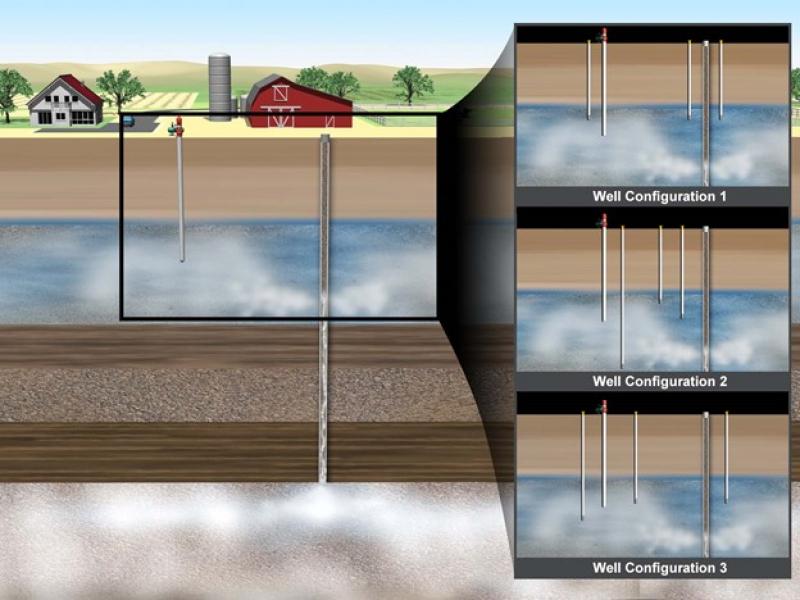
Updated flexible software generates and optimizes monitoring programs for detecting potential leaks from geological carbon storage with an enhanced user experience.
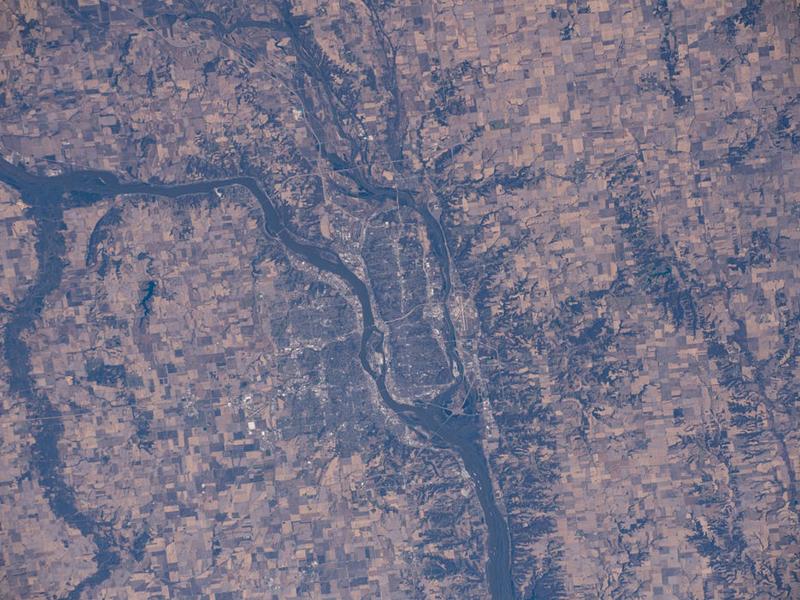
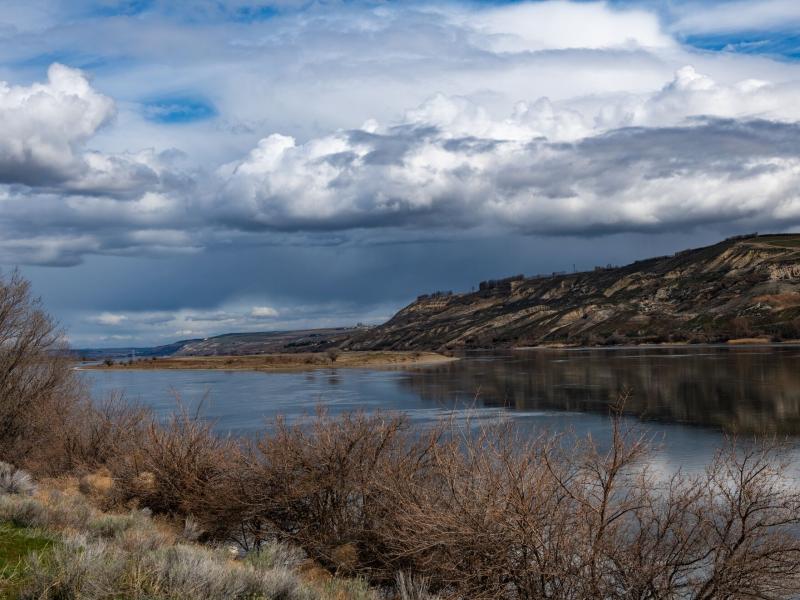
PNNL scientists have proposed an "adaptive site management" cleanup strategy for the Hanford Site's Central Plateau that incorporates a structured, flexible approach to environmental remediation.
ICON science is a Department of Energy-developed framework to enhance scientific outcomes via more intentional design of research efforts across all domains of science.
PNNL contributes to 30 years of data on clouds, radiation, and other climate-making factors as part of field campaigns and analysis conducted by DOE's Atmospheric Radiation Measurement user facility.
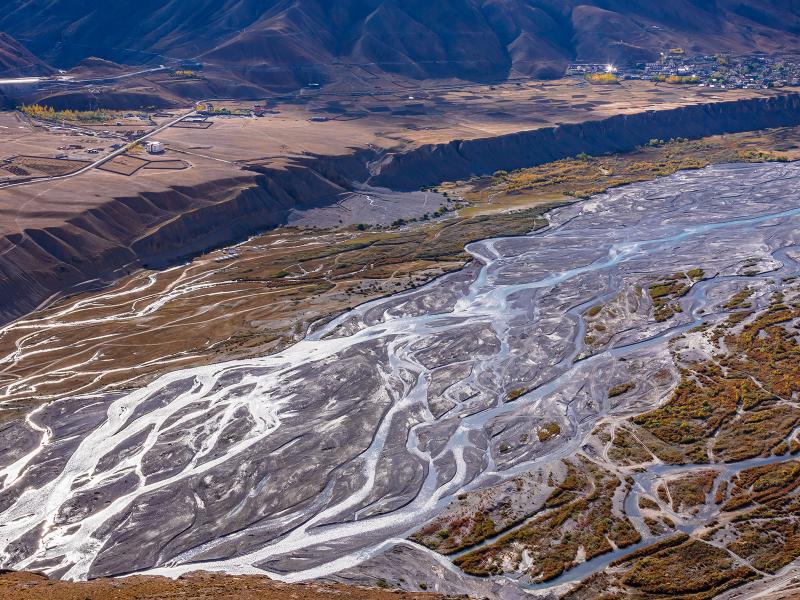
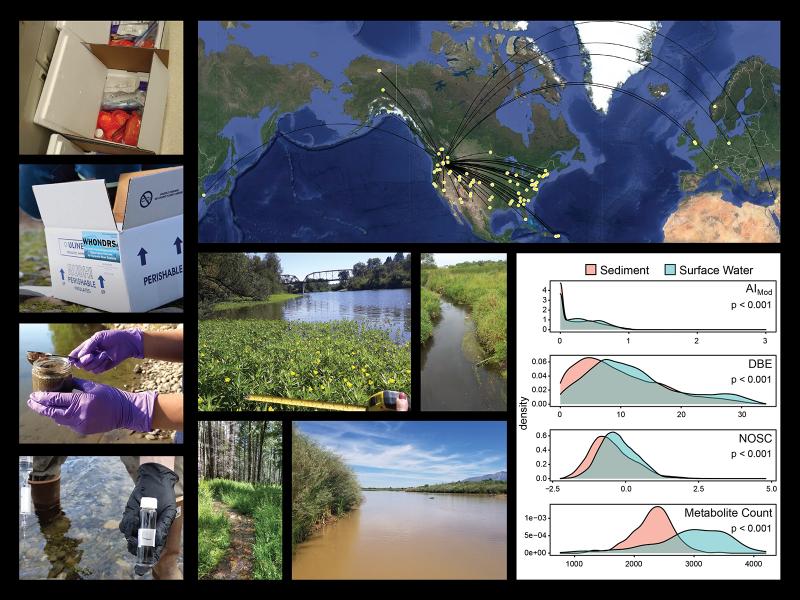
Developing conceptual models for microbial-environmental–ecosystem interactions is key to enhancing the ability of models to predict future ecosystem function.
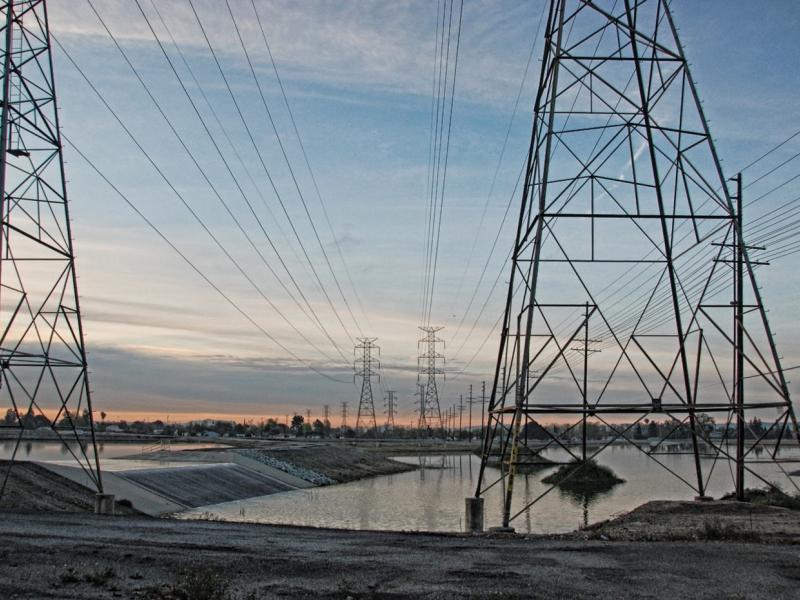
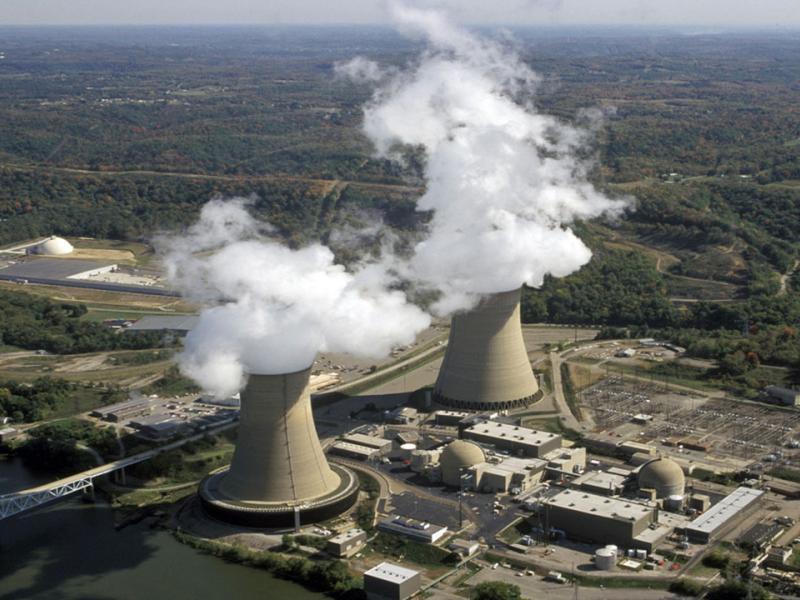
Despite an increase in future electricity demands, virtual water trading in the U.S. electricity sector is expected to decline as renewable energy expands.