PNNL has developed a next-generation electrical resistivity tomography system for DOE that uses E4D software and AI-enhanced modeling to produce real-time subsurface images that help guide environmental remediation decisions.
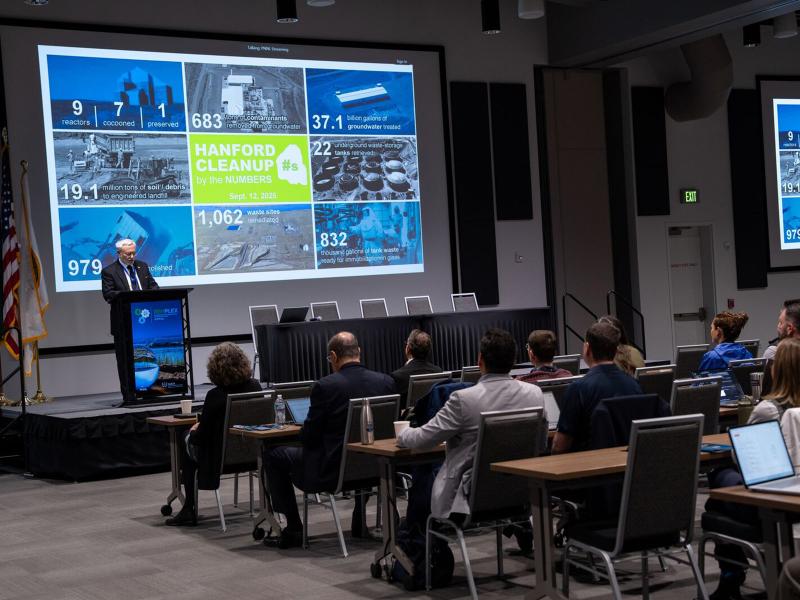
RemPlex 2025 Global Summit on Environmental Remediation attendees share knowledge about cleanup and monitoring of complex sites worldwide; more than 100 presentations are posted online.
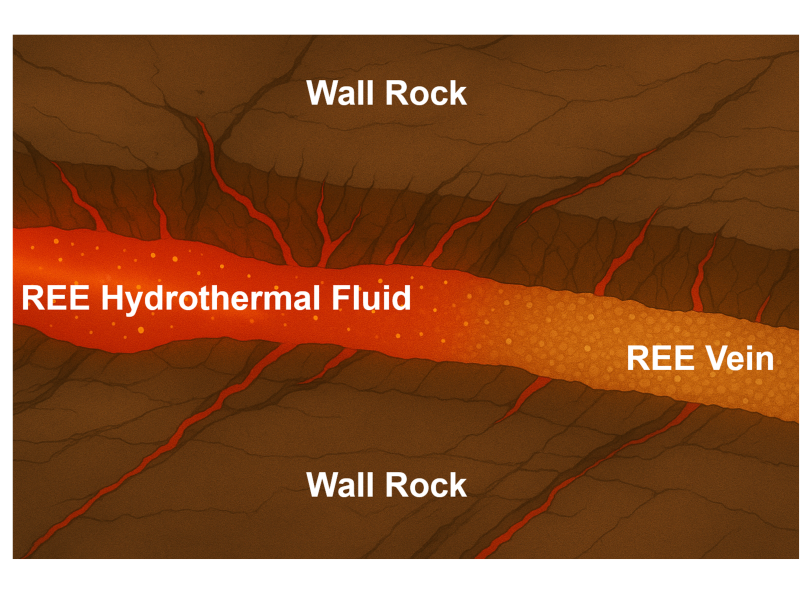
The first direct molecular-scale evidence of the temperature-driven transformation of the coordination environment of ytterbium at geologically relevant conditions.
Shear Assisted Processing and Extrusion (ShAPE) imparts significantly more deformation compared to conventional extrusion. The latest ShAPE system at PNNL, ShAPEshifter, is a purpose-built machine designed for maximum configurability.
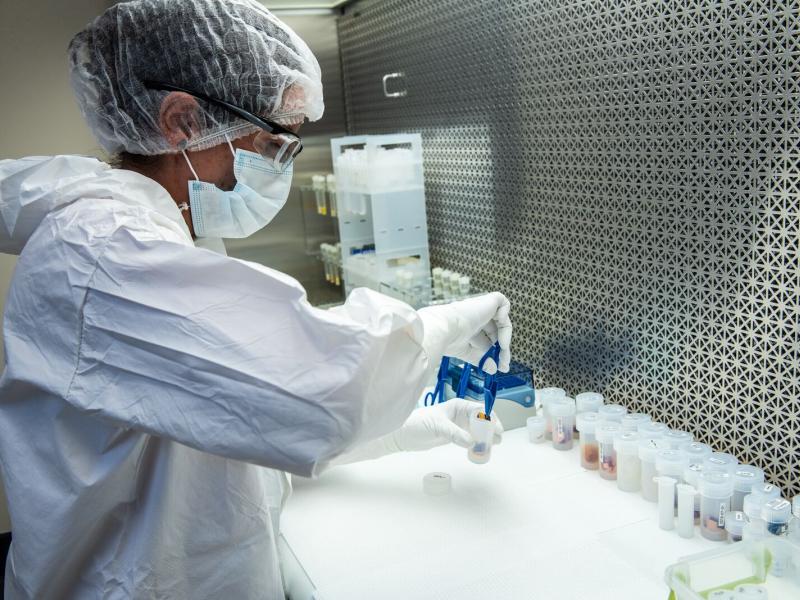
In the search for rare physics events, extremely pure materials are essential. A partnership between PNNL and Ultramet has led to tungsten with low contamination from other elements.
To improve our ability to “see” into the subsurface, scientists need to understand how different mineral surfaces respond to electrical signals at the molecular scale.
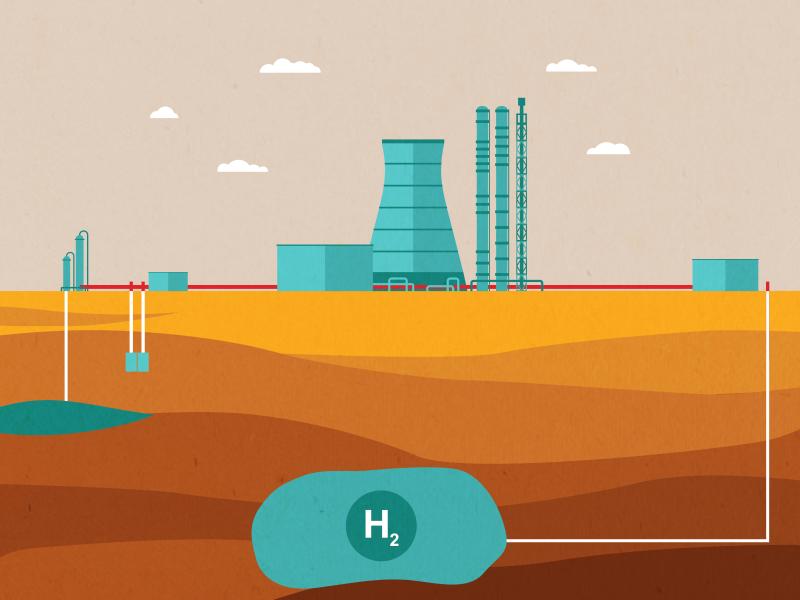
The SHASTA program is doing a deep dive on subsurface hydrogen storage in underground caverns, helping to lay the foundation for a robust hydrogen economy.
PNNL’s Center for the Remediation of Complex Sites convened attendees from around the world to discuss challenges associated with environmental contamination.
PNNL is honoring its postdoctoral researchers as part of the fourteenth annual National Postdoc Appreciation Week with seven profiles of postdocs from around the Laboratory.
The work by the team at PNNL takes a critical step in leveraging ML to accelerate advanced manufacturing R&D, specifically for manufacturing techniques without access to efficient, first-principles simulations.