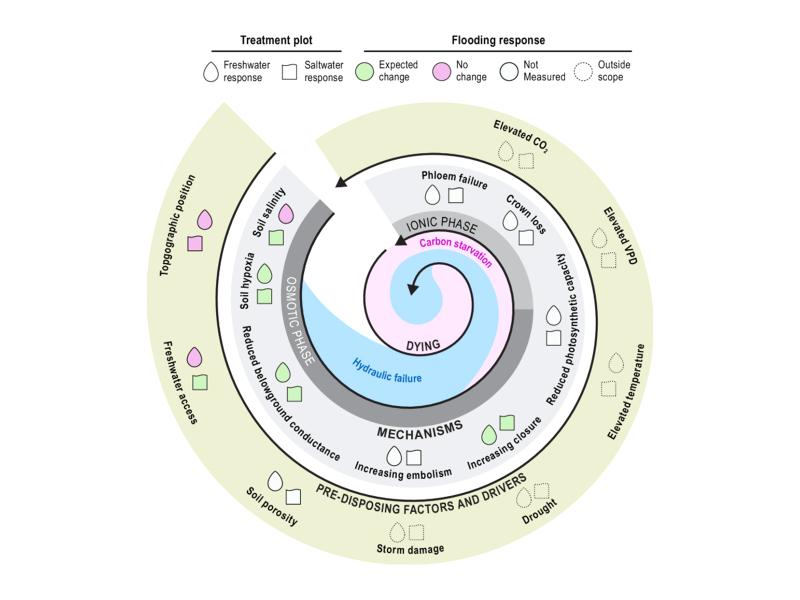
Short-term flooding of an experimental coastal forest impacted soils but not trees, with implications for understanding ecosystem disturbance responses.
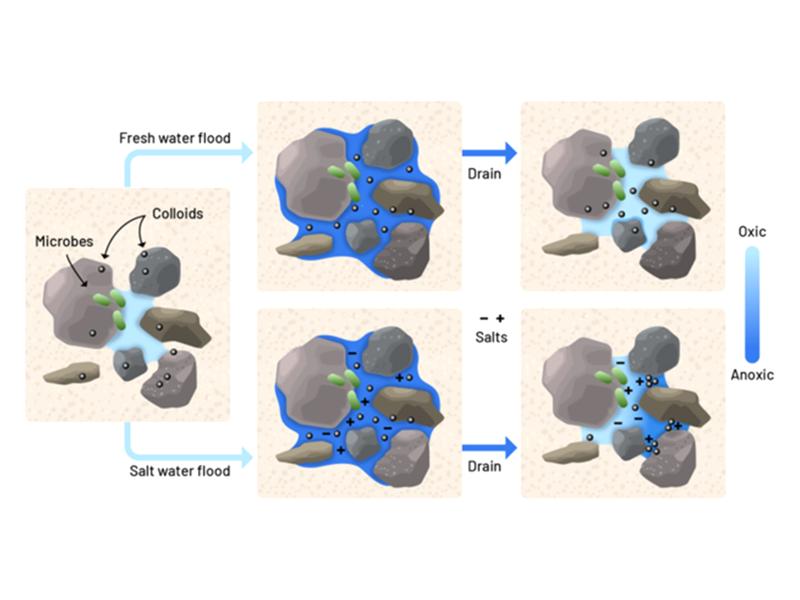
Lab experiments show that just a few saltwater pulses can rapidly alter soil pore structure and reduce oxygen flow, stressing tree roots in coastal forest soils.
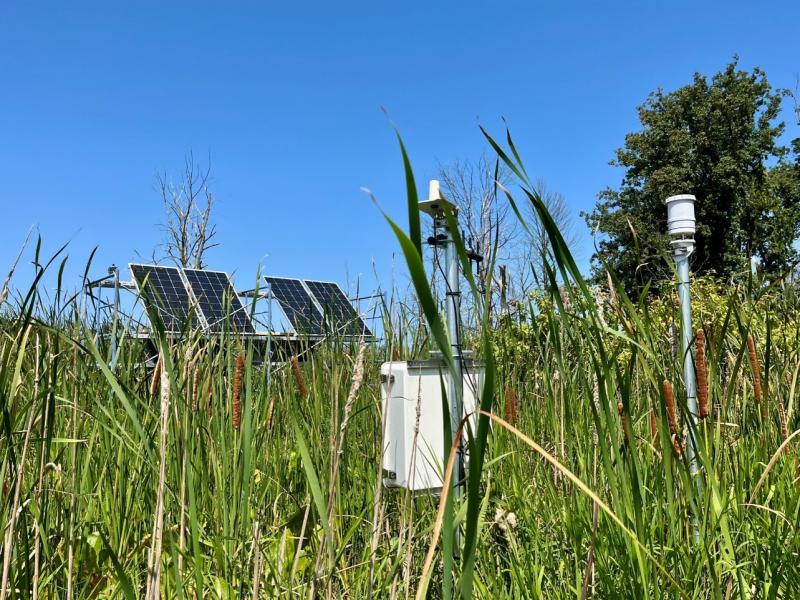
Newly designed sensor network comprehensively monitors a range of coastal landscapes to better understand nutrient and elemental dynamics that drive ecosystem function.
Research provided definitive spectroscopic characterization, reactivity, and deactivation of a reactive monomeric diphosphine-copper hydride intermediate.
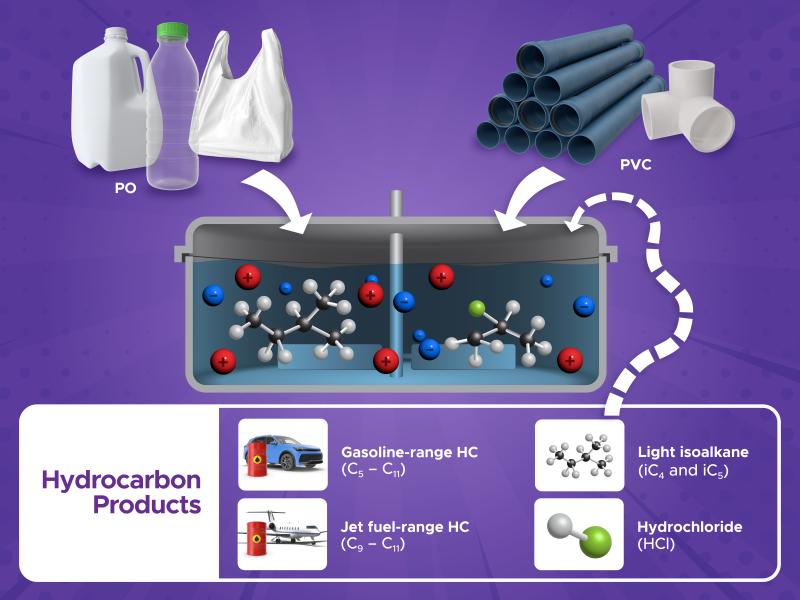
PNNL has formed a partnership with the Orlando-based firm Refinity, which has licensed a key process from PNNL that will help the company convert mixed plastic waste into valuable industrial products like chemicals, plastics, and fuels.
Researchers at PNNL have developed an interpretable, lightweight AI model that can easily predict weld microstructure features using only basic machine sensor inputs.
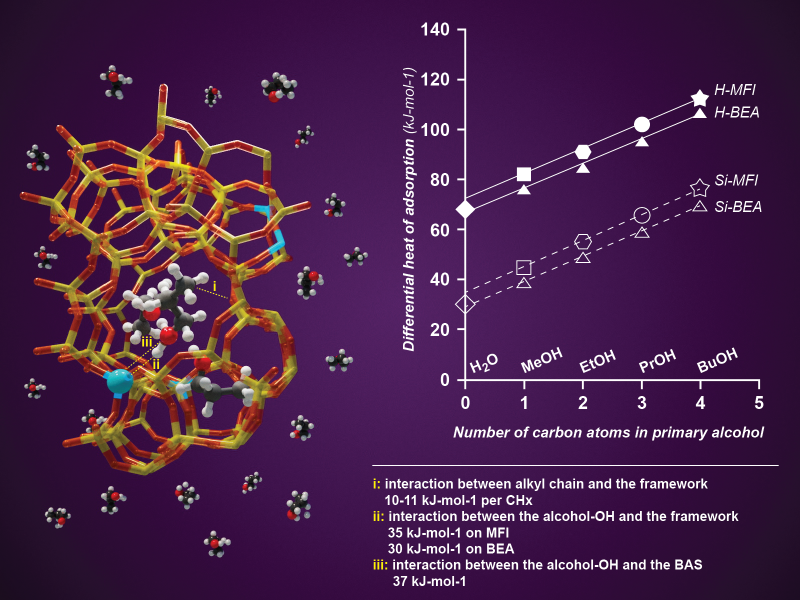
A comprehensive investigation provides quantitative data on the interaction between zeolite pores and linear alcohols, with hydroxyl group interactions playing the largest role.