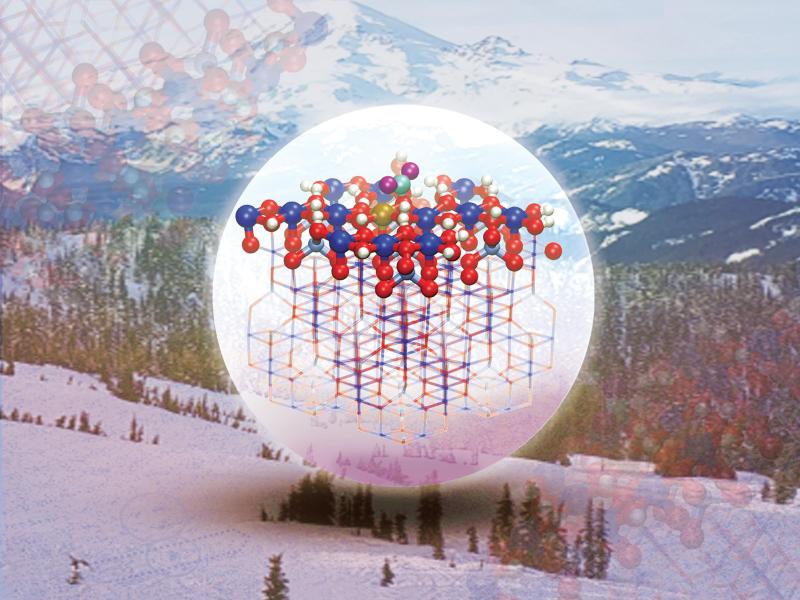
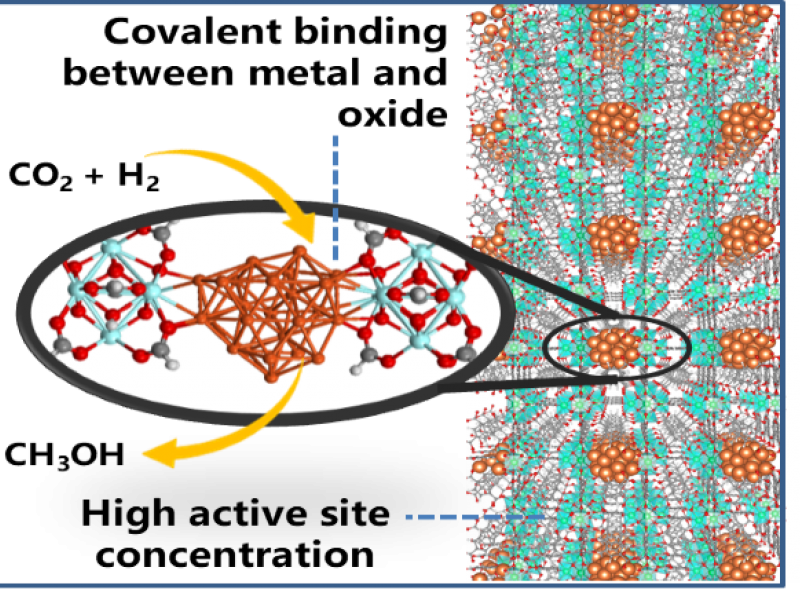
New research uncovers the mechanism of carbon dioxide reduction by metal-O-Fe bonds of single-metal atoms and metal nanoparticles supported by oxidic surfaces.
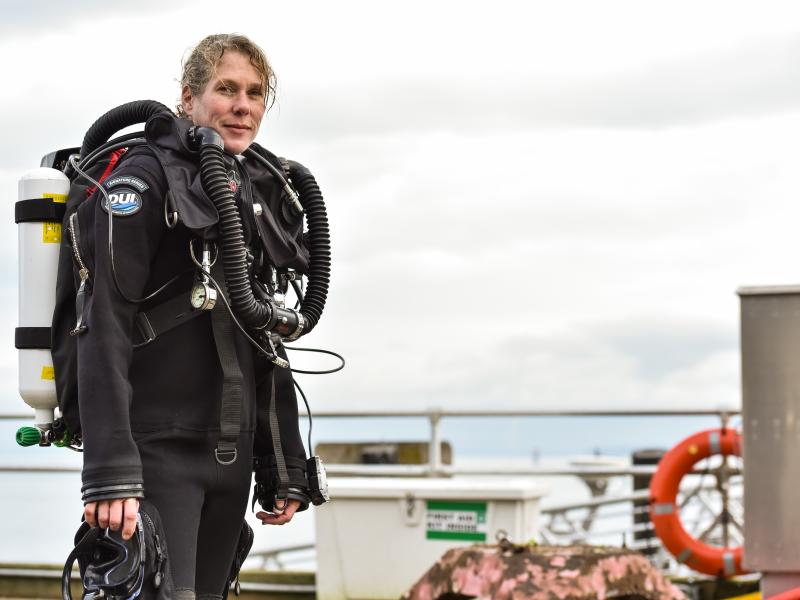
Samantha Eaves discusses the future of marine energy and her role with Triton from the Department of Energy Water Power Technologies Office perspective.
Ecological modeler Kate Buenau discusses how the Triton Initiative can use modeling to predict potential environmental effects of marine energy systems.
Electrical engineer Nolann Williams supports technical development for DOE-funded projects building marine energy environmental monitoring technologies.
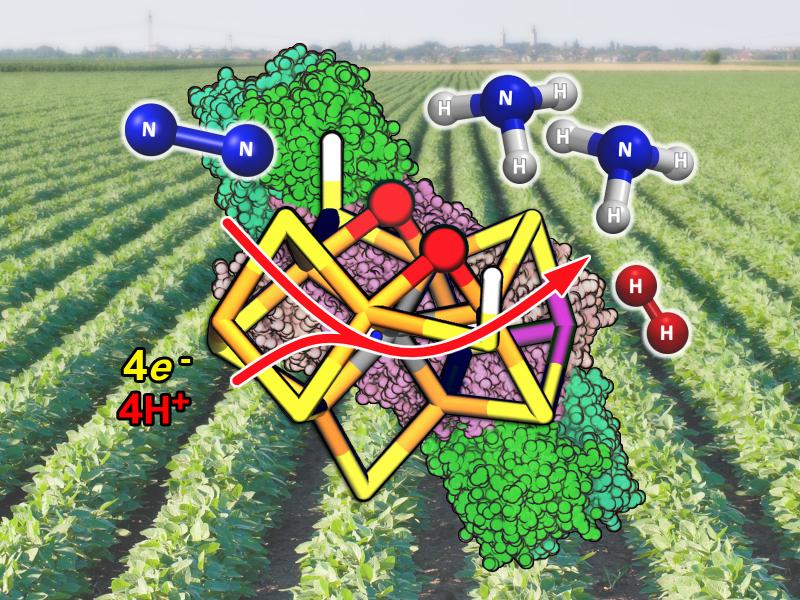
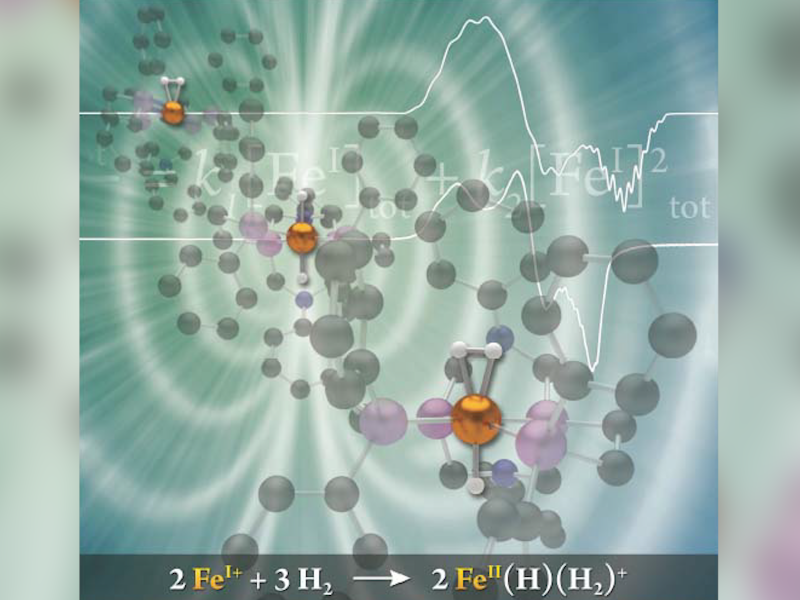
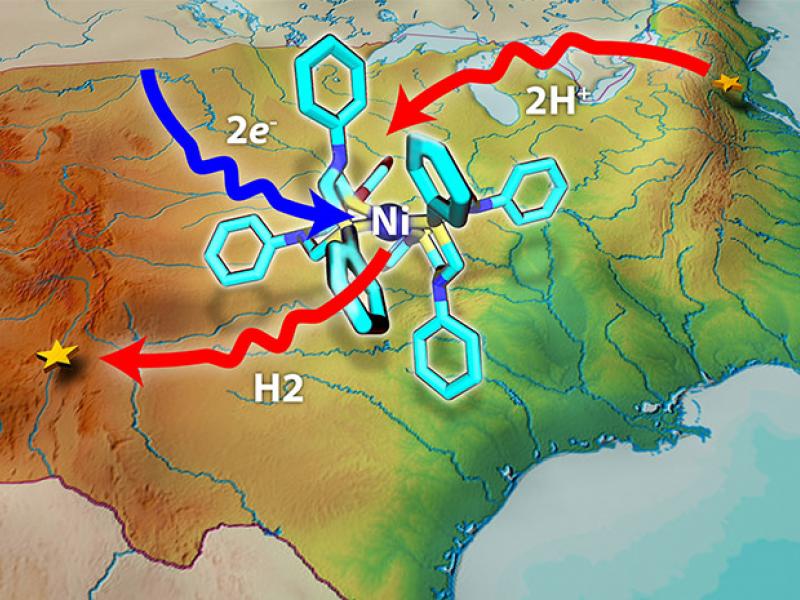
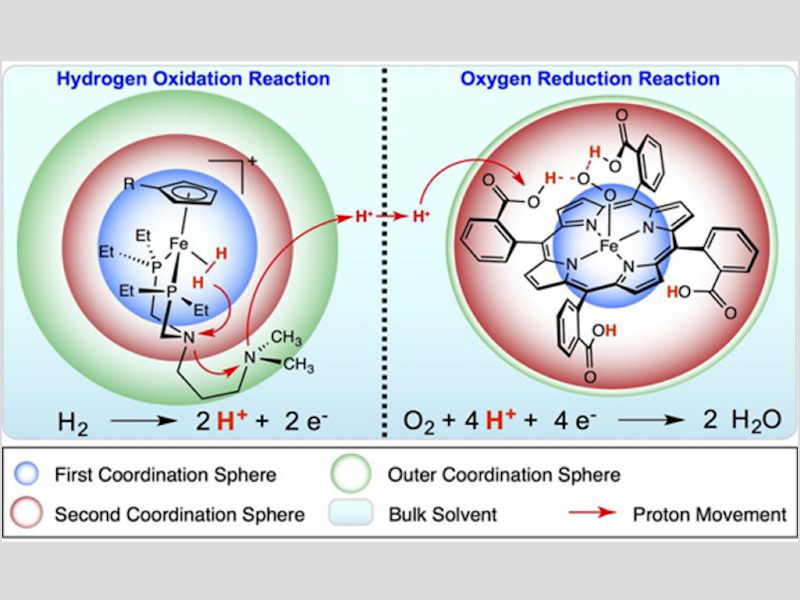
Scientists at PNNL's Center for Molecular Electrocatalysis (CME) are working to understand the fundamental reactivity of H2 that could contribute to making hydrogen a more widely used fuel source.
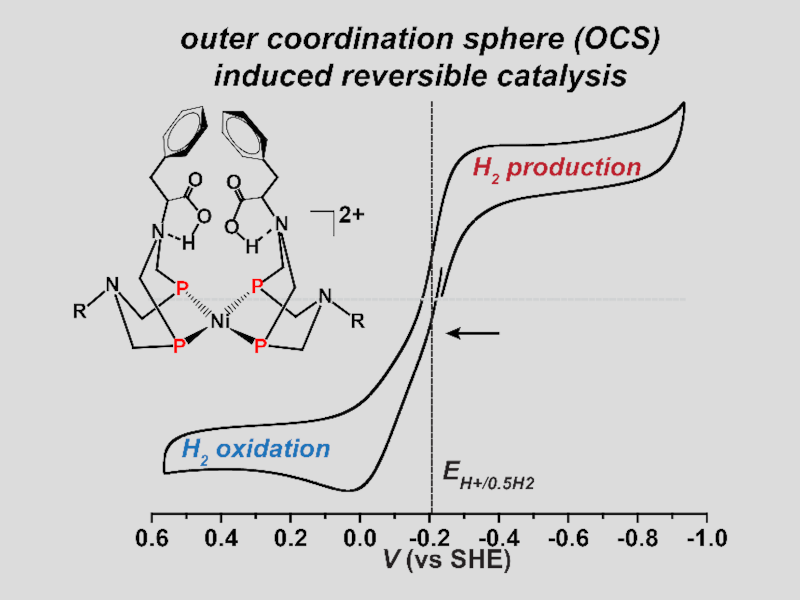
Dr. Morris Bullock and Dr. Monte Helm reviewed the catalysis research at the Center for Molecular Electrocatalysis, where Bullock is the director, in a recent article in Accounts of Chemical Research.
Generating power without gasoline, diesel, or coal could change our nation's energy and security landscape. However, replacing technologies that use fossil fuel with ones that require rare metals is unsustainable.