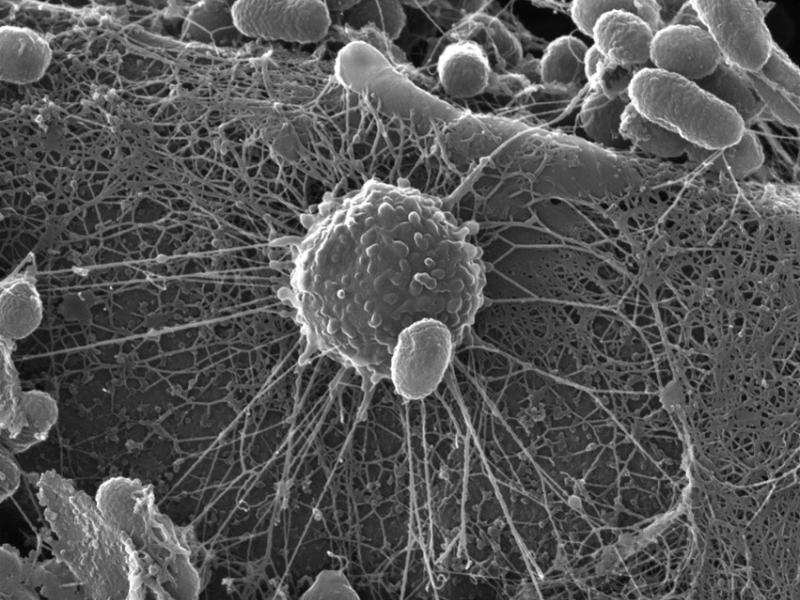
A team from the Environmental Molecular Sciences Laboratory published research, demonstrating that the soil microbes were directly involved in the stabilization of soil organic carbon and mineral weathering.
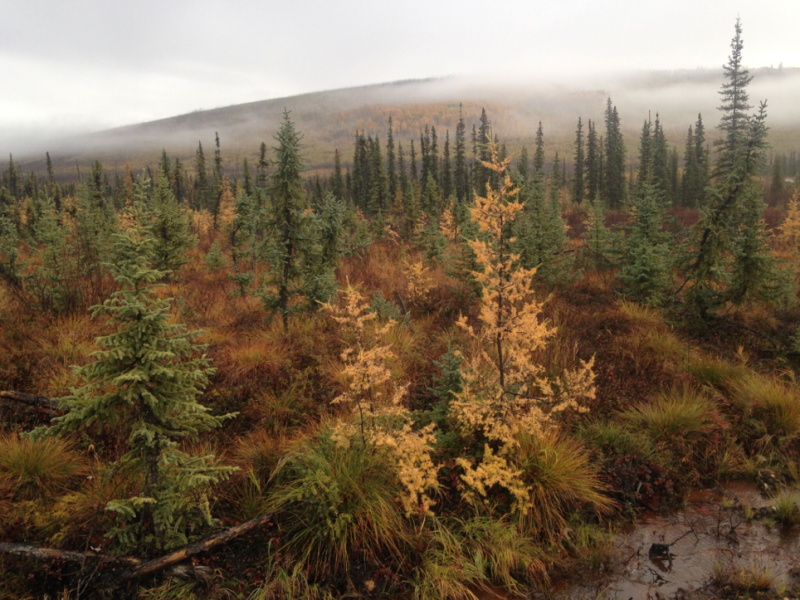
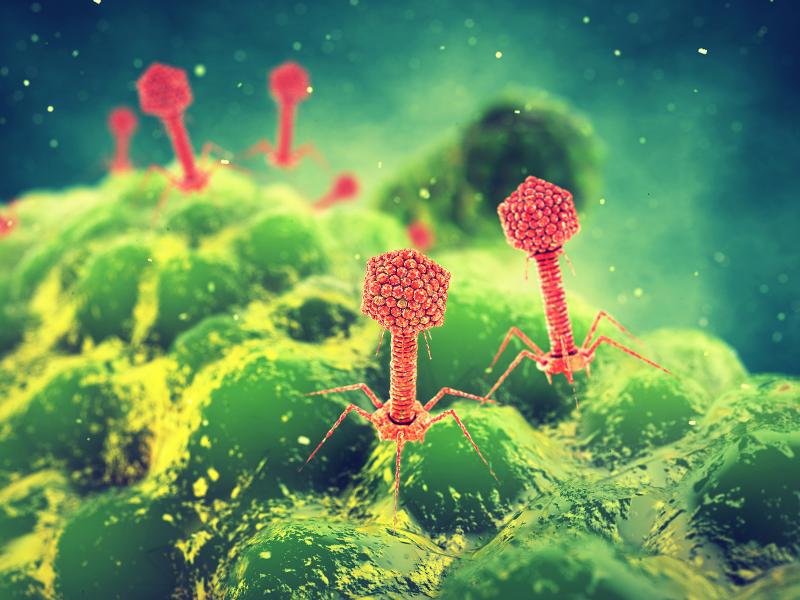
Microbes that were previously frozen in soils are becoming more active. This study demonstrates the diverse RNA viral communities found in thawed permafrost.
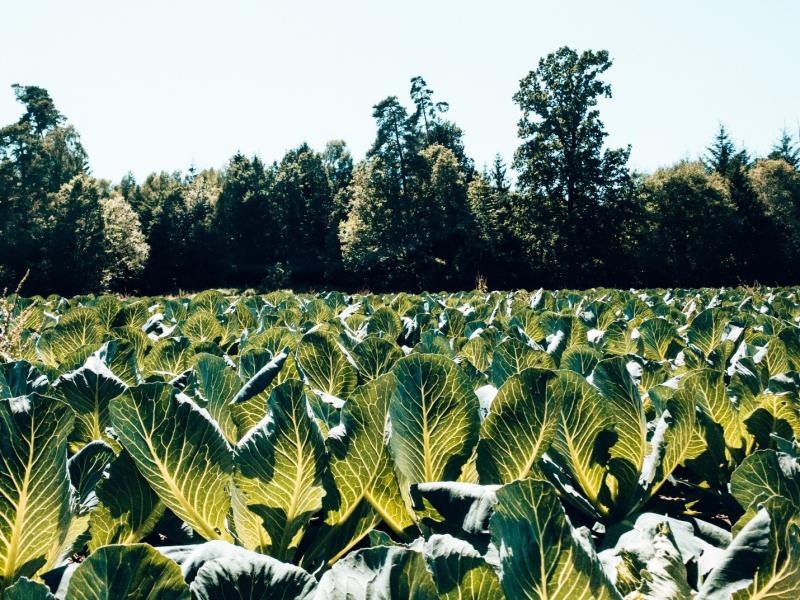
A systematic, multiple scenario approach was used to analyze the compounding impacts of demands for land for biofuels with increased land scarcity under a diverse set of uncertainties.
Better representing electric capacity markets, economic retirements, and power-plant age structure provides a more robust understanding of the future evolution of the electric sector.
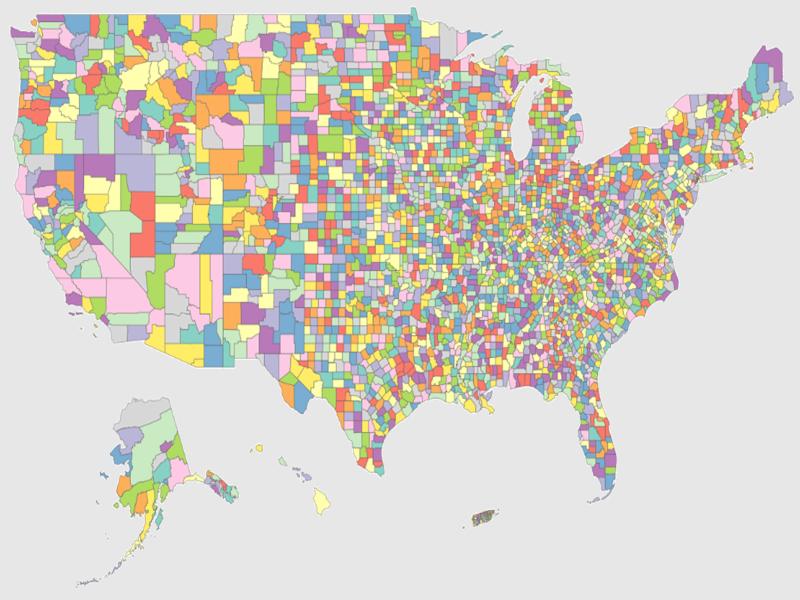
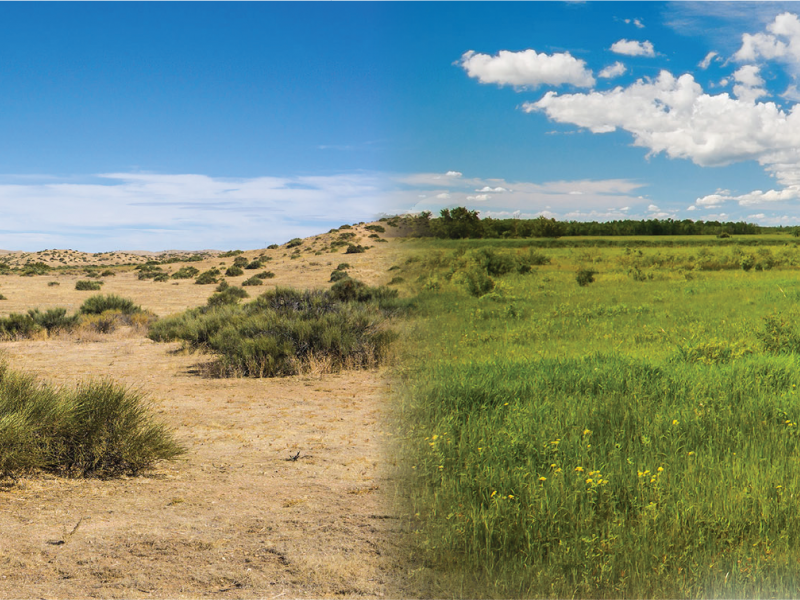
Dominant and functionally important soil microbes show strong, predictable, and distinctly different associations with continental-scale gradients in climate, vegetation, and soil moisture.
PNNL contributes to 30 years of data on clouds, radiation, and other climate-making factors as part of field campaigns and analysis conducted by DOE's Atmospheric Radiation Measurement user facility.
A novel ecological measurement uncovered interactions between river corridor organic matter assemblages and microbial communities, highlighting potentially important microbial taxa and molecular formula types.