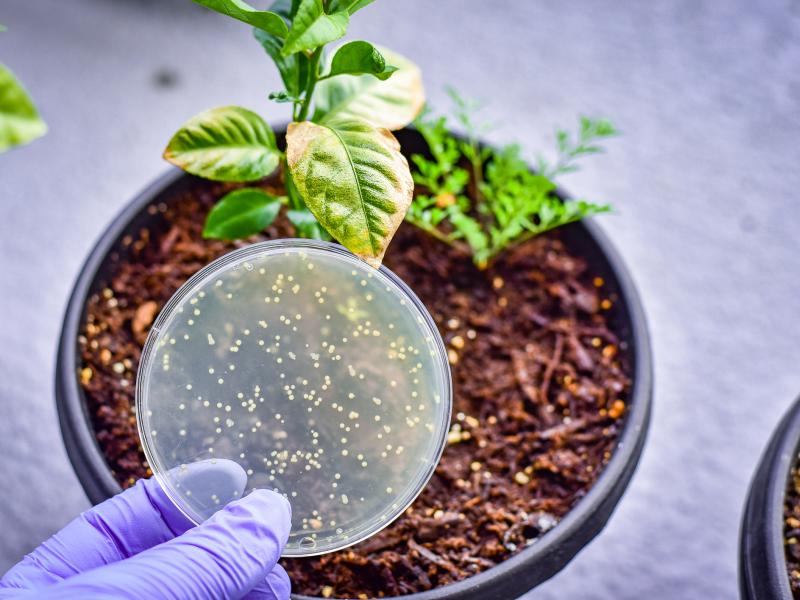
Scientists at PNNL have published a new article that focuses on understanding the composition, dynamics, and deployment of beneficial soil microbiomes to get the most out of soil.
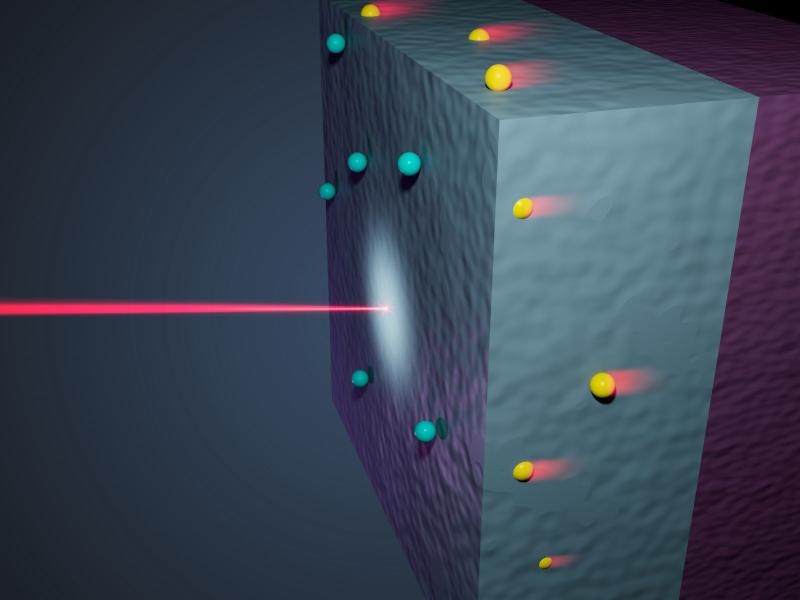
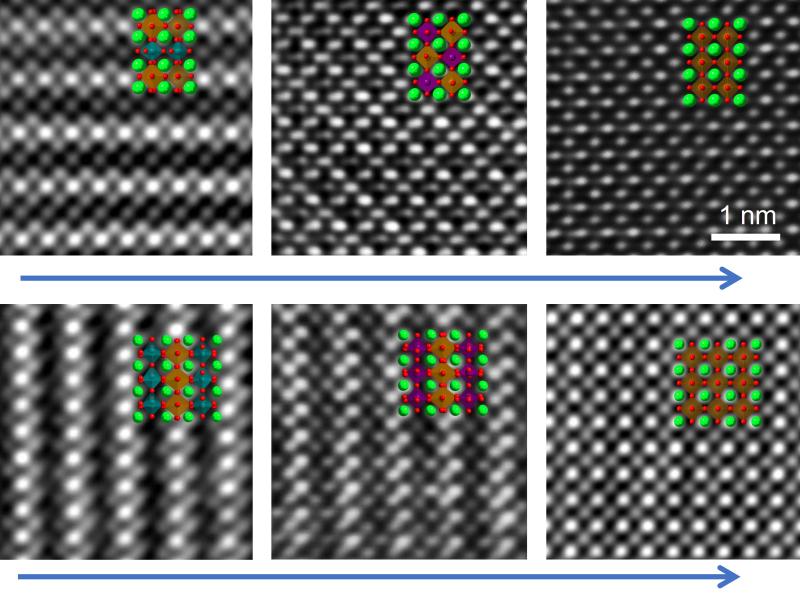
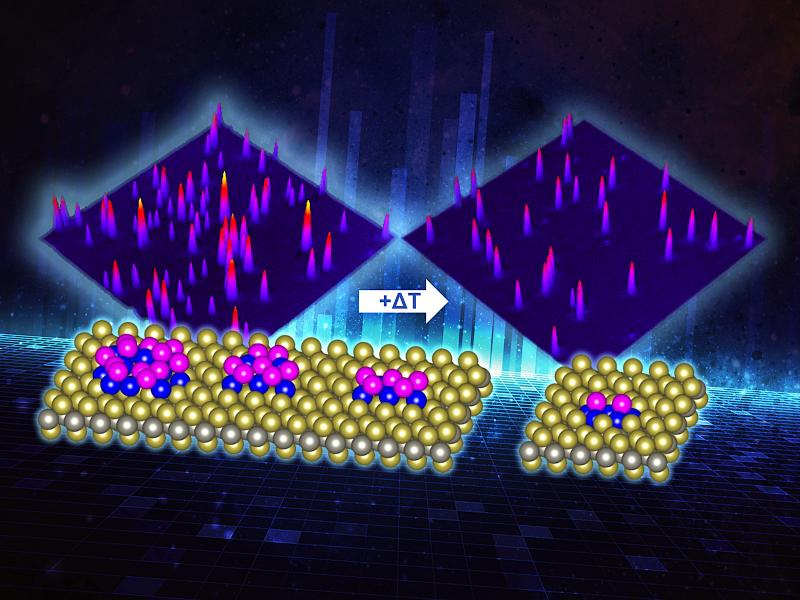
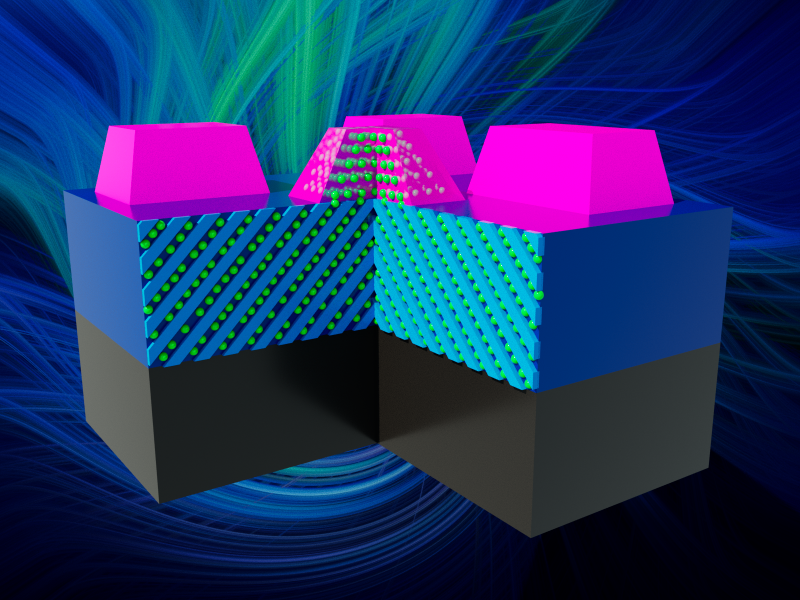
PNNL researchers demonstrated a simple method to create stable, identical nanoparticles of PdTe2-like composition, which is known to be superconducting, on a WTe2 TMD support.
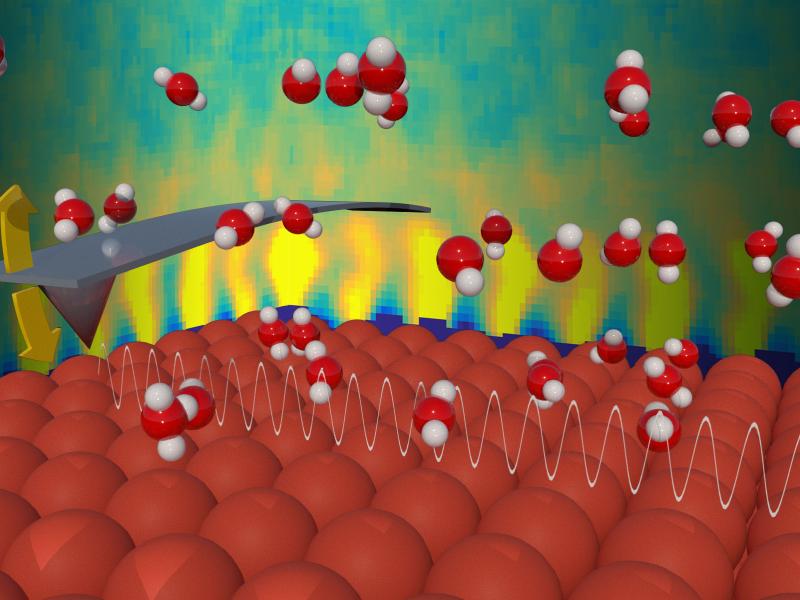
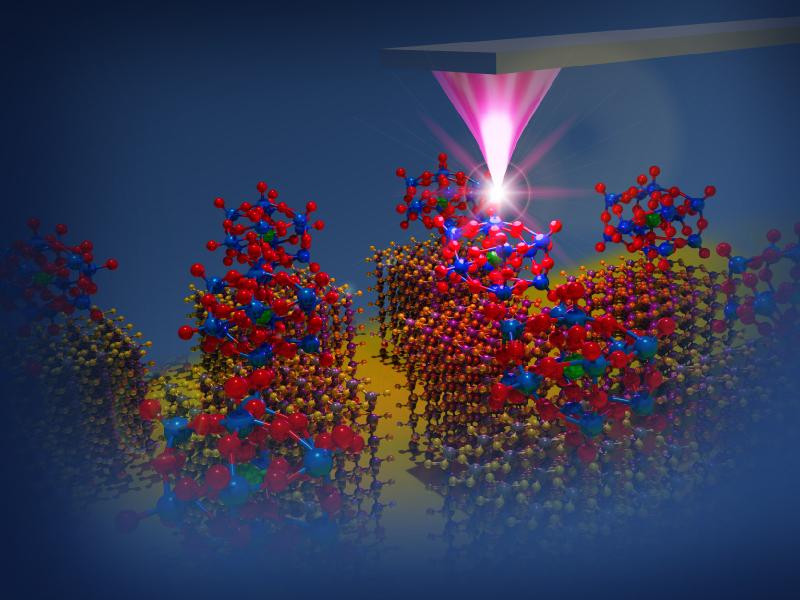
A combined experimental and theoretical study identified multiple interactions that affect the performance of redox-active metal oxides for potential electrochemical separation and quantum computing applications.
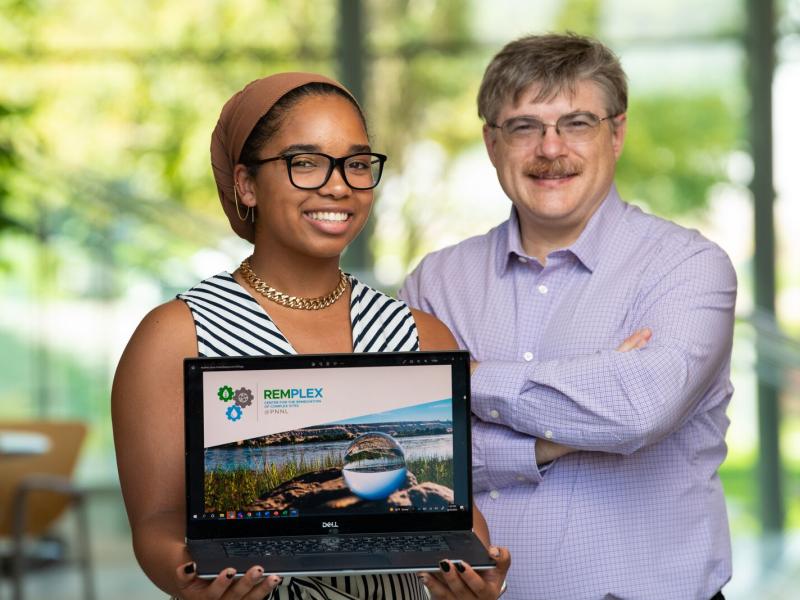
A new web-based tool provides easy-to-understand progress metrics and other data about groundwater cleanup sites overseen by the DOE Office of Environmental Management.
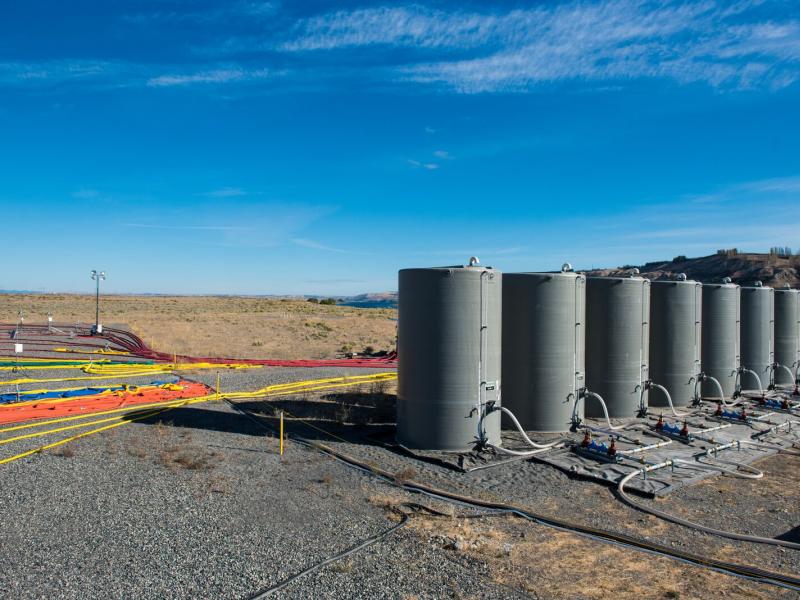
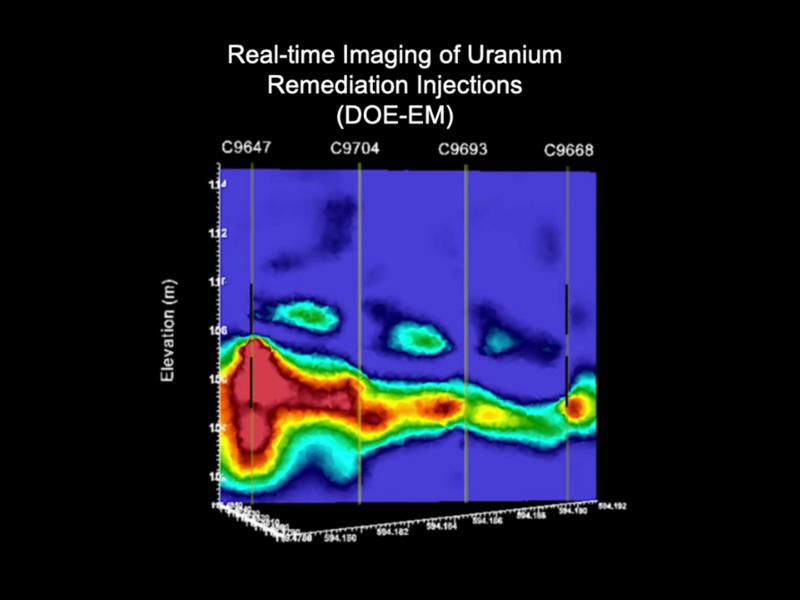
PNNL scientists have proposed an "adaptive site management" cleanup strategy for the Hanford Site's Central Plateau that incorporates a structured, flexible approach to environmental remediation.
A team of researchers developed a simulation approach to identify how atomic structures can affect the phonon transport of energy and information in quantum systems near absolute zero temperatures.
Ocean biogeochemical modeling software now available as open source to help researchers predict impacts of pollution, sea level rise, and climate change.
Integrating hydrogeology and biogeochemistry are required to model the dynamics of geochemical processes occurring in river corridor zones where groundwater and surface water mix.
Existing techniques to detect pertechnetate in the environment have drawbacks. PNNL’s redox sensor technology uses a gold probe to accurately and efficiently measure low levels of pertechnetate—and possibly other contaminants—in groundwater