Innovative cement and concrete technologies at PNNL enhance durability and performance through self-healing formulations and cost-effective, high-performance materials derived from waste, enabling more resilient, reliable infrastructure.
Through AMAIS, PNNL is developing new memory systems that can advance scientific computational research by broadening AI capabilities and powering high-speed analysis of large datasets.
Pacific Northwest National Laboratory (PNNL) is advancing AI that unlocks new scientific discoveries, ensures reliable energy, and strengthens national security through the Center for AI @PNNL and its partnership with the Department of Ener
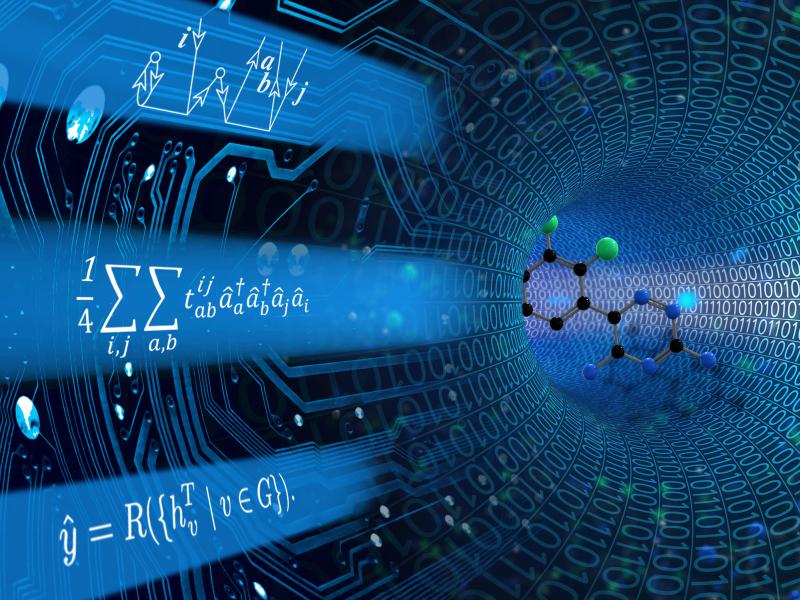
The Computational and Theoretical Chemistry Institute (CTCI) aspires to establish a premier international center for chemistry and materials science software at extreme scales.
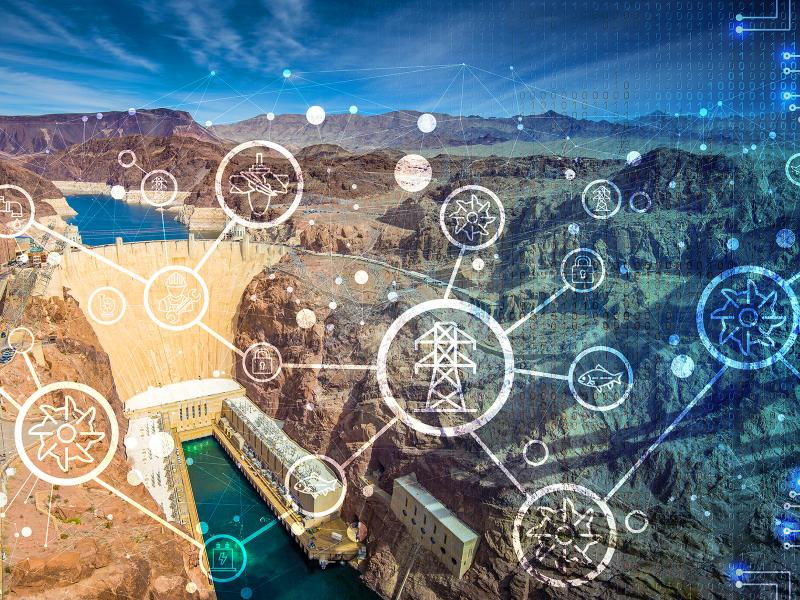
PNNL and ORNL are working together on Digital Twins to modernize the U.S. hydropower plant fleet, which will reduce operating costs, improve reliability, reduce downtime, enhance grid resiliency, and reduce environmental impacts.
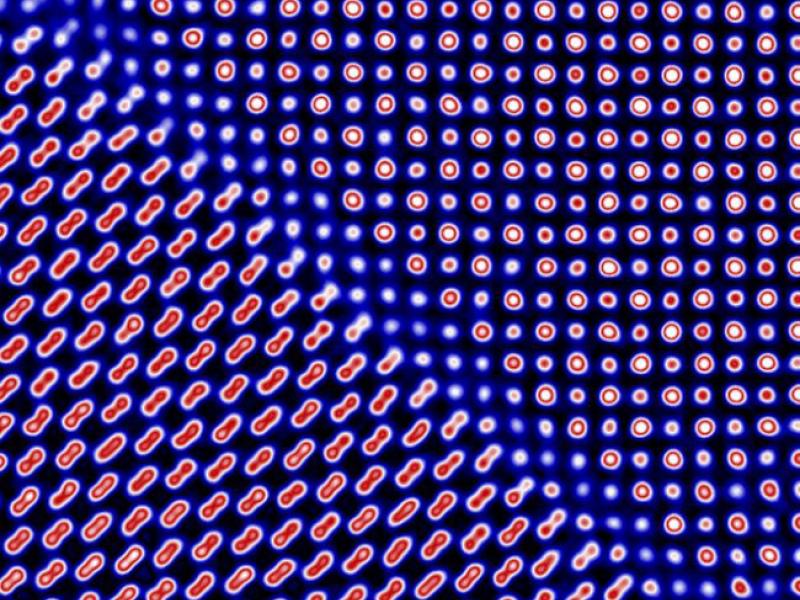
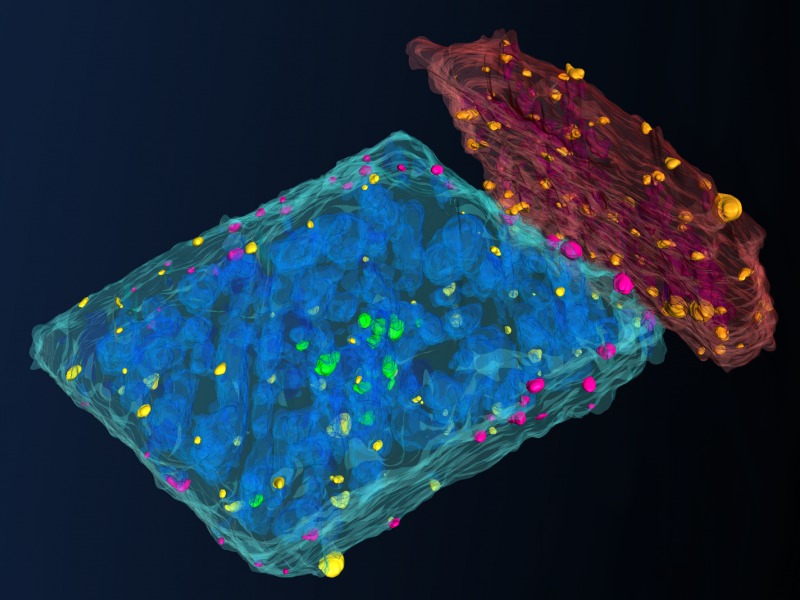
PNNL is a leader in the integration of aberration-corrected electron microscopy, in-situ techniques, and atom probe tomography to address challenges in nuclear materials, environmental remediation, energy storage, and national security.
Pacific Northwest National Laboratory’s Generative AI Investment aims to harness this transformative technology to drive innovation across the science, energy, and security research domains.
PNNL is a key partner in the Department of Energy (DOE) Genesis Mission, which is developing a powerful AI platform to accelerate scientific discovery, drive energy innovation, and strengthen national security.
The Institute for Integrated Catalysis (IIC) at Pacific Northwest National Laboratory explores and develops the chemistry and technology of catalyzed processes that enable a carbon-neutral future.