Advanced Cement and Concrete Technologies
Next-generation, high-performance cement and concrete
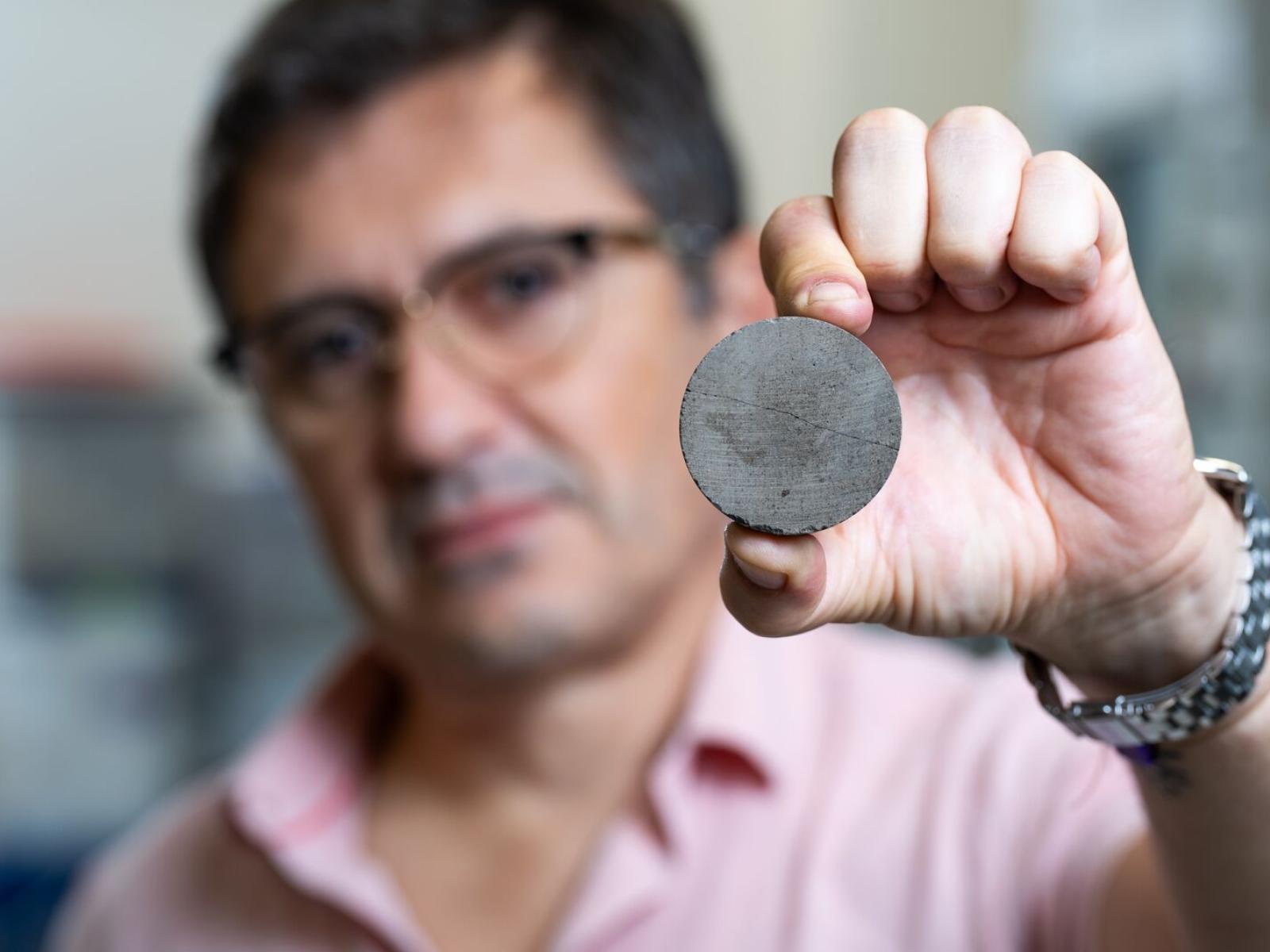
Hydrothermal liquefaction of algae blooms produces algal biochar, a cumbersome waste product. That biochar can be used as a supplemental cementitious material in the production of cement, allowing harmful algal blooms to become bio-crude and cement.
(Photo by Andrea Starr | Pacific Northwest National Laboratory)
Pacific Northwest National Laboratory (PNNL) is pioneering high-performance, self-healing, and resilient cement and concrete solutions to improve durability, reduce maintenance needs, and meet the growing demands of infrastructure and energy applications.
Breakthrough innovations
PaNaCEM™—molecular Velcro cement
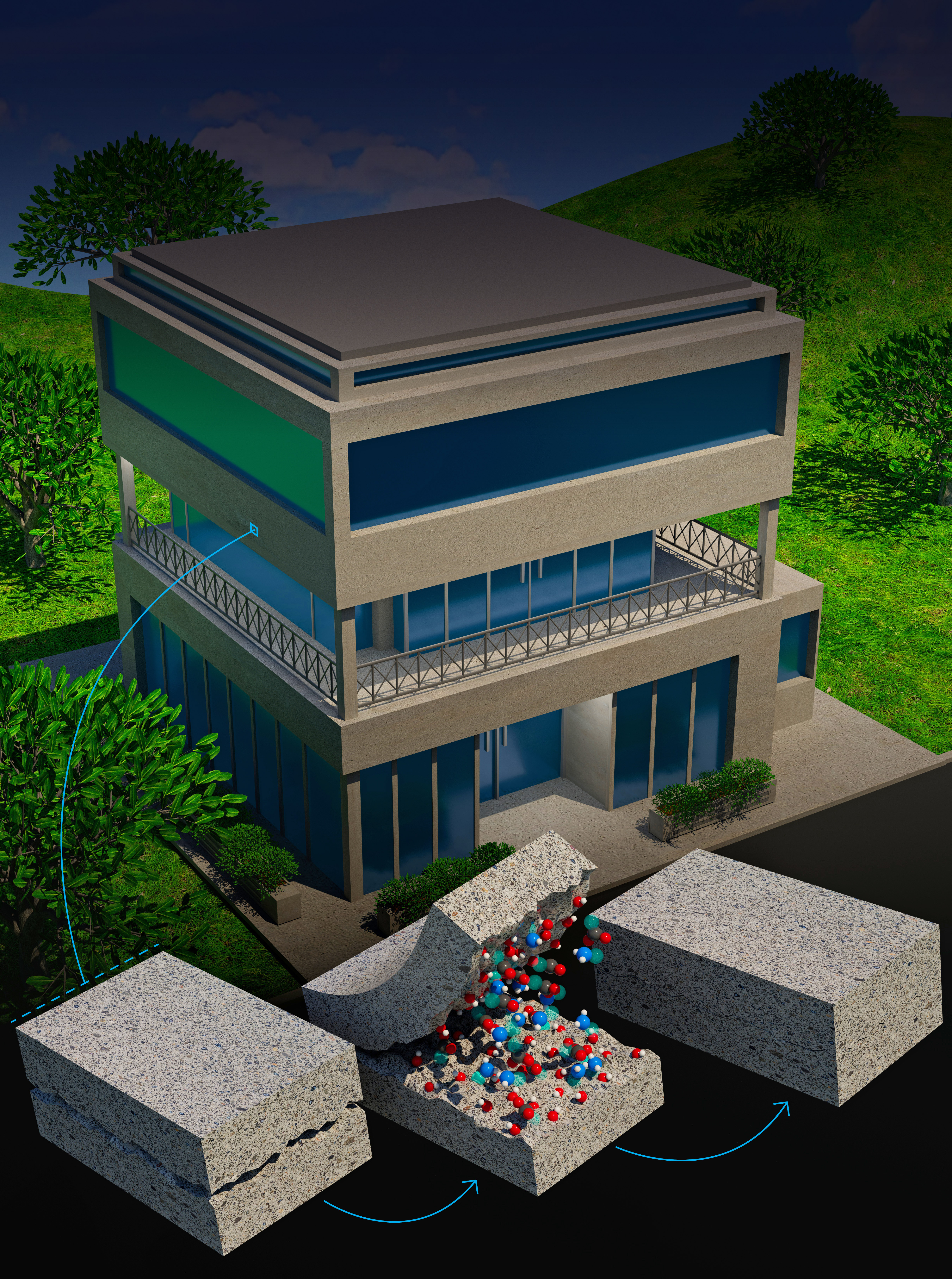
PaNaCEM™ is an advanced self-healing cement technology designed to restore strength over multiple stress cycles.
- Self-heals in just 72 hours at room temperature.
- Retains up to 80 percent of its compressive strength after repeated damage cycles in ambient and high temperatures (300°C) geothermal conditions.
- Maintains tensile strength recovery of 30–60 percent over 5 cycles, while commercial cement shows no recovery.
- Designed for durability, PaNaCEM™ avoids the irreversible damage observed in commercial cement after early stress cycles.
- Developed for extreme environments, including geothermal wellbores requiring high-temperature resilience.
PaNaCEM™ currently is being evaluated as a repairing solution for concrete infrastructure. In concrete, PaNaCRETE™ shows similar mechanical strength recovery.
BioNano supplementary cementitious materials
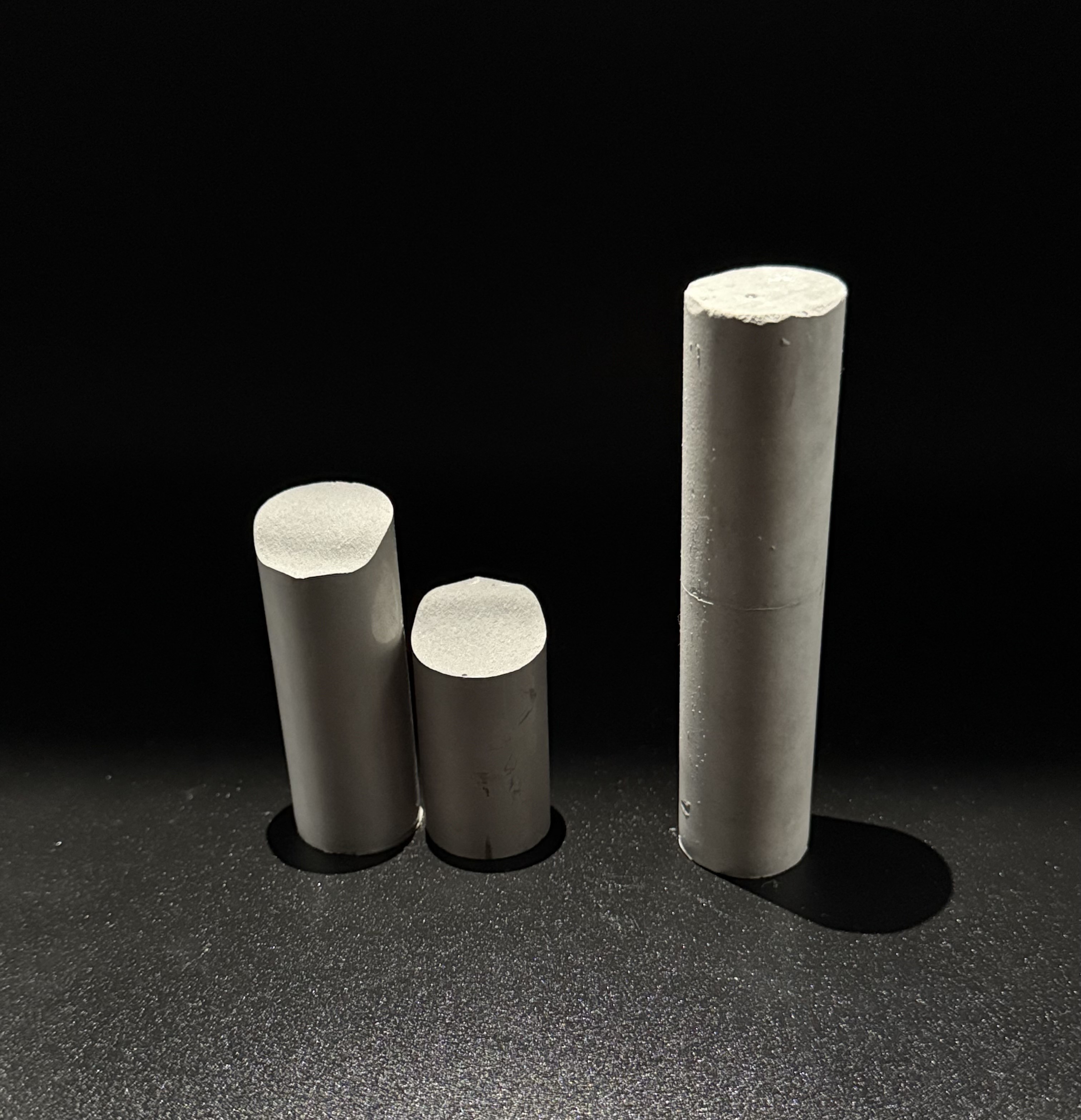
BioNano SCMs (Biowaste-derived Nano-reinforced supplementary cementitious materials) are derived from waste—in particular, algal biochar produced as a byproduct of hydrothermal liquefaction (a promising technology that converts a wide range of wastes and feedstocks into valuable crude-like oil).
- Demonstrates compressive strength and stiffness comparable to commercial SCM blends.
- Estimated unit cost is roughly 10 times lower than silica fume, offering a competitive edge in the growing SCM market.
- Strengthens over time, reaching compressive strength comparable to control cement after 30 days of curing.
- High supply potential in the U.S. from biofuel byproducts, turning waste disposal costs into valuable construction inputs.
- Unlocks a new domestic SCM stream amid increasing demand and limited supply of traditional materials, with potential cost savings of $210M in disposal expenses.
C3Crete—Catalyzed Carbon-storing Concrete technology
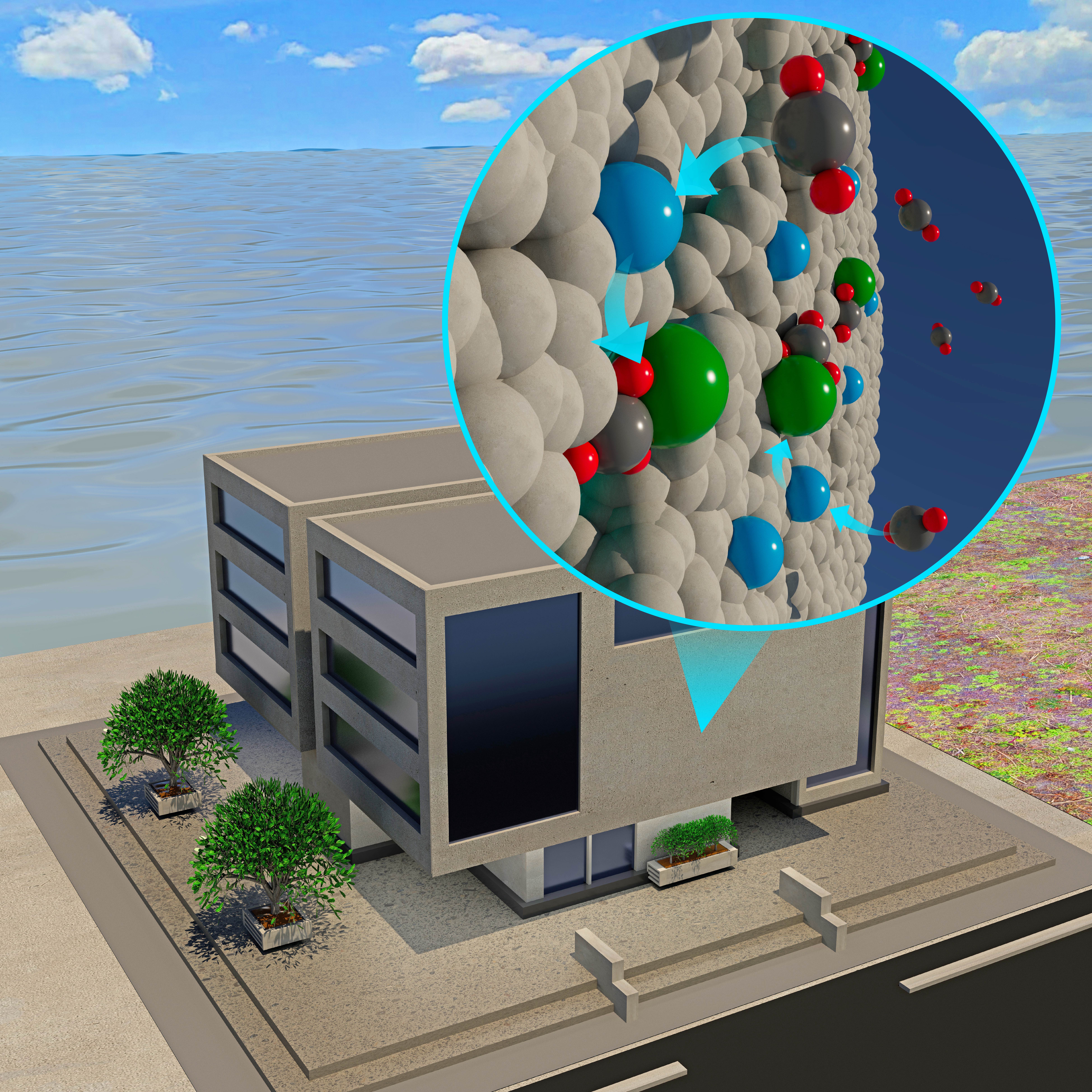
C3Crete (Catalyzed Carbon-storing Concrete) is an innovative cement designed to capture and store CO2 while maintaining strength.
- Stores 6× more CO2 than unmodified concrete in early months.
- Maintains mechanical integrity while integrating CO2 storage.
- Offers a significant improvement in CO2 uptake compared to conventional cement.
- Engineered for next-generation concrete applications.
Why it matters
With growing infrastructure demands, traditional cement solutions can fall short in terms of durability and sustainability. PNNL’s advanced technologies provide smarter, longer-lasting solutions, reducing the need for costly repairs and making construction more resilient for the future.
Get involved
For more information on our projects or to discuss potential collaborations, please contact Carlos Fernandez.
Join us as we build a stronger, more resilient future—one innovative cement solution at a time.