Through AMAIS, PNNL is developing new memory systems that can advance scientific computational research by broadening AI capabilities and powering high-speed analysis of large datasets.
Pacific Northwest National Laboratory (PNNL) is advancing AI that unlocks new scientific discoveries, ensures reliable energy, and strengthens national security through the Center for AI @PNNL and its partnership with the Department of Ener
Pacific Northwest National Laboratory, supported by the Department of Energy’s Grid Deployment Office, is leading a technical assistance initiative to help utilities test and deploy alternate GPS timing solutions.
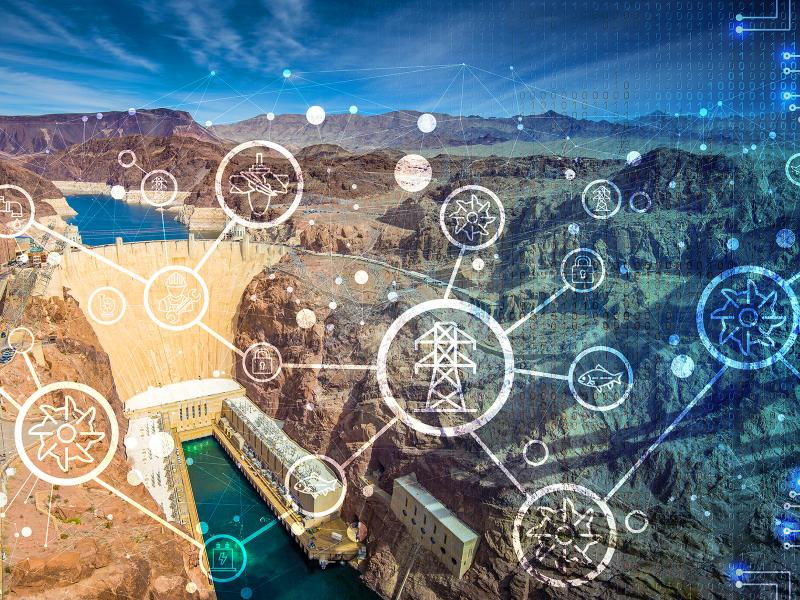
PNNL and ORNL are working together on Digital Twins to modernize the U.S. hydropower plant fleet, which will reduce operating costs, improve reliability, reduce downtime, enhance grid resiliency, and reduce environmental impacts.
The Data-Model Convergence (DMC) Initiative is a multidisciplinary effort to create the next generation of scientific computing capability through a software and hardware co-design methodology.
The E-COMP Initiative is creating new capabilities that enable the optimized design and operation of energy systems subject to multiple objectives and with high levels of power electronics.
Pacific Northwest National Laboratory’s Generative AI Investment aims to harness this transformative technology to drive innovation across the science, energy, and security research domains.
PNNL is a key partner in the Department of Energy (DOE) Genesis Mission, which is developing a powerful AI platform to accelerate scientific discovery, drive energy innovation, and strengthen national security.
The Grid Storage Launchpad (GSL) is a national capability for energy storage research funded by the Department of Energy Office of Electricity and located on the Pacific Northwest National Laboratory (PNNL) campus in Richland, Washington