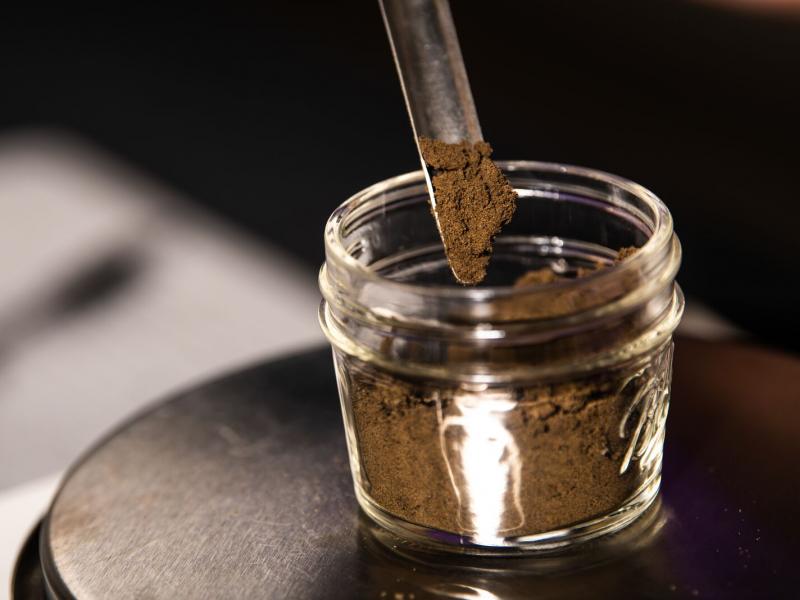
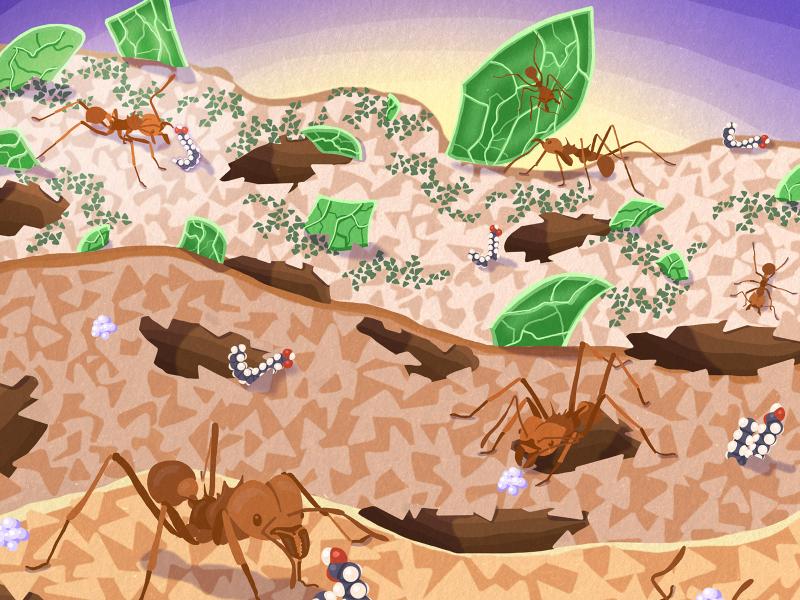
Understanding lipid composition of ant fungal gardens provides new knowledge on interkingdom communications band and also advances toward the development of microbial systems that can produce valuable compounds from plant biomass.
PNNL highlights four researchers whose joint appointments are creating new and diverse opportunities for expanding knowledge and scientific impact across institutions.
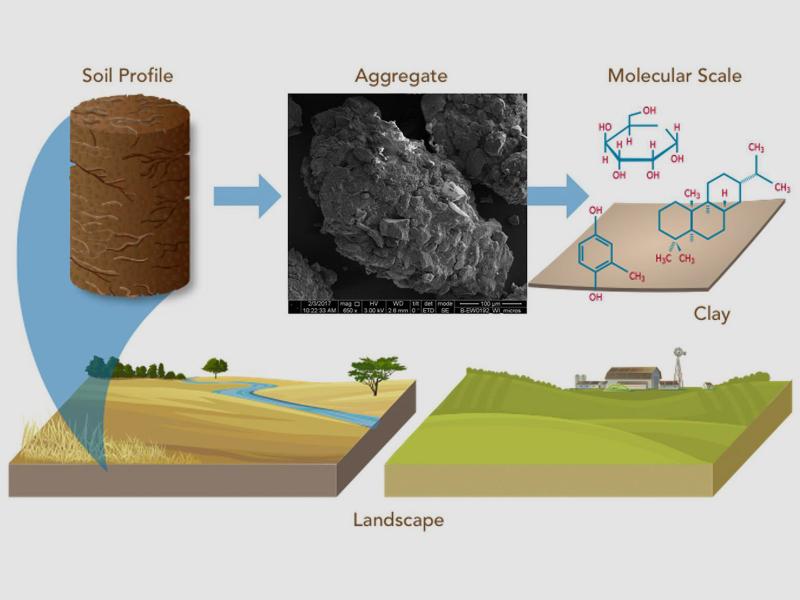
Microbiome and soil chemistry characterization at long-term bioenergy research sites challenges idea that switchgrass increases carbon accrual in surface soils of marginal lands.
Clarivate Analytics recently unveiled its 2020 list of Highly Cited Researchers. The list named 17 PNNL scientists for their influential and oft-referenced work.
Two PNNL researchers, one a world-leading authority on microorganisms, the other an expert on coastal ecosystem restoration, have been elected fellows of the American Association for the Advancement of Science.
This committee represents the country’s soil science community in the International Union of Soil Sciences, advises The National Academies, and communicates with professional societies and organizations.
Twelve researchers from PNNL presented at the 2020 Metabolomics Association of North America virtual conference in mid-September. Their presentations included a plenary talk, keynote talks, oral presentations, posters, and a lightning talk.
Pacific Northwest National Laboratory (PNNL) is part of a continuing National Science Foundation (NSF) team investigating the environmental impact of nanoparticles at the molecular level.
Researchers from PNNL have helped colleagues at OHSU identify lipid molecules required for Zika infection in human cells. The specific lipids involved could also be a clue to why the virus primarily infects brain tissue.
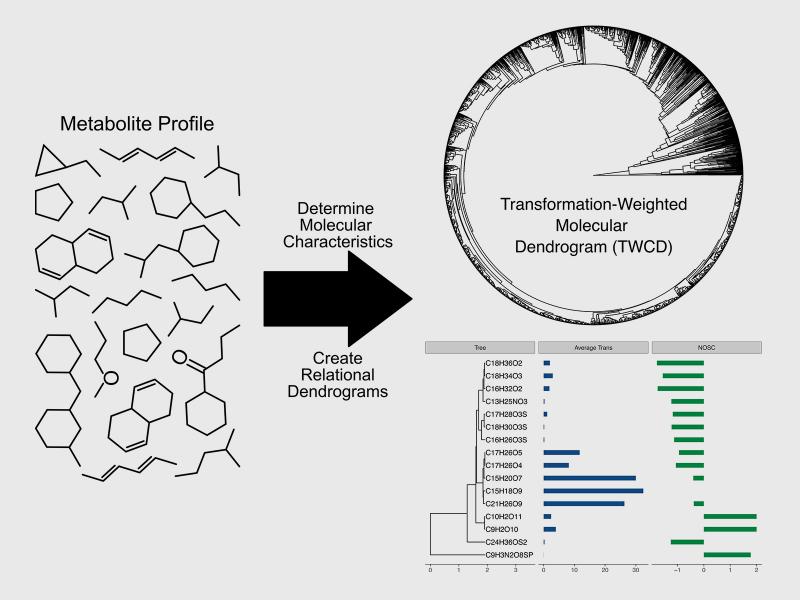
Researchers performed controlled laboratory experiments using river sediment to test organic matter thermodynamics as a mechanism of metabolic control in areas where groundwater and surface water mix.
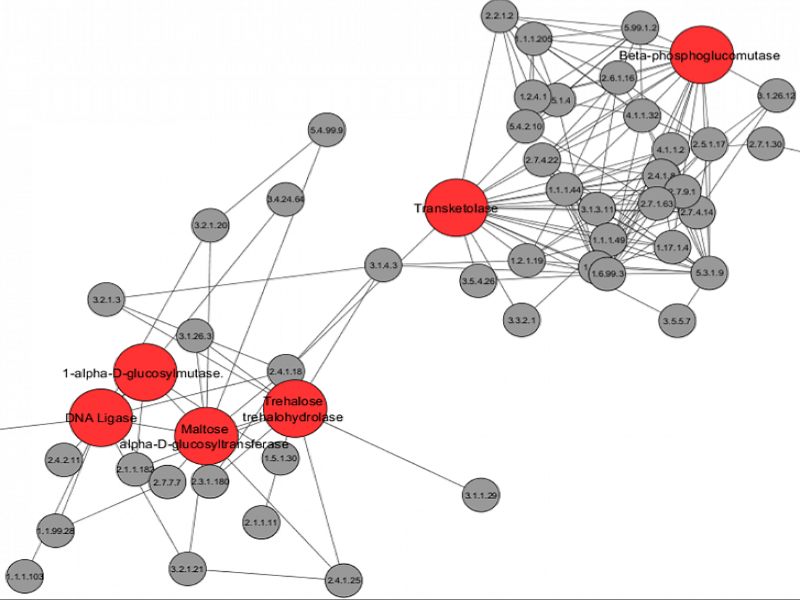
Researchers performed a combined analysis of metabolic and gene co-expression networks to explore how the soil microbiome responds to changes in moisture and nutrient conditions.