The world's current climate pledges won't limit global warming to 1.5 °C. We will overshoot. A new study shows that more ambitious climate pledges could minimize the overshoot.
PNNL gathered researchers from eight national laboratories plus the U.S. Department of Energy (DOE) to share ideas and build synergy at the Energy Equity and Environmental Justice Summit.
PNNL’s fall Pathways to Excellence award ceremony celebrated nearly 50 staff for their contributions across science, engineering, operations, and STEM education.
Scientists at PNNL are working to better prepare authorities, emergency responders, communities and the grid in the face of increasingly extreme hurricanes.
Some rocks can potentially convert injected carbon dioxide into more stable solid minerals. A new review article explores what scientists know about the atom-by-atom process.
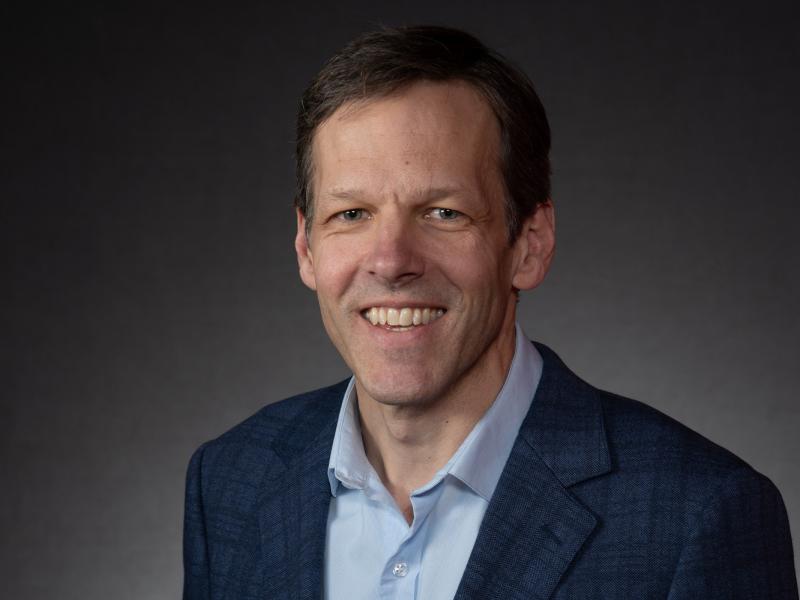
Hydrologist Fernando Miralles-Wilhelm will lead the Joint Global Change Research Institute as its director, looking to the future of integrated assessments.
Better representing electric capacity markets, economic retirements, and power-plant age structure provides a more robust understanding of the future evolution of the electric sector.
Tim C. Johnson was awarded the Frank Frischknecht Leadership Award this spring at the 34th Symposium on the Application of Geophysics of Engineering and Environmental Problems held in Denver, Colorado.
Updated flexible software generates and optimizes monitoring programs for detecting potential leaks from geological carbon storage with an enhanced user experience.
A new perspective article discusses how integrating carbon dioxide capture and conversion in solvents can lead to cheaper and more efficient carbon management systems.
PNNL will demonstrate how new technologies, innovative approaches and partnering with others can lead to net-zero emissions and decarbonization of operations.
PNNL contributes to 30 years of data on clouds, radiation, and other climate-making factors as part of field campaigns and analysis conducted by DOE's Atmospheric Radiation Measurement user facility.
Sue Southard's one thousand dives as a PNNL staff member leave a ripple effect on efforts to keep our ocean healthy, our economy thriving, and our waters safe.
This PNNL-developed separation system quickly and successfully separates larger particles from smaller ones at various scales, in different solid-liquid mixtures and at different flow rates.