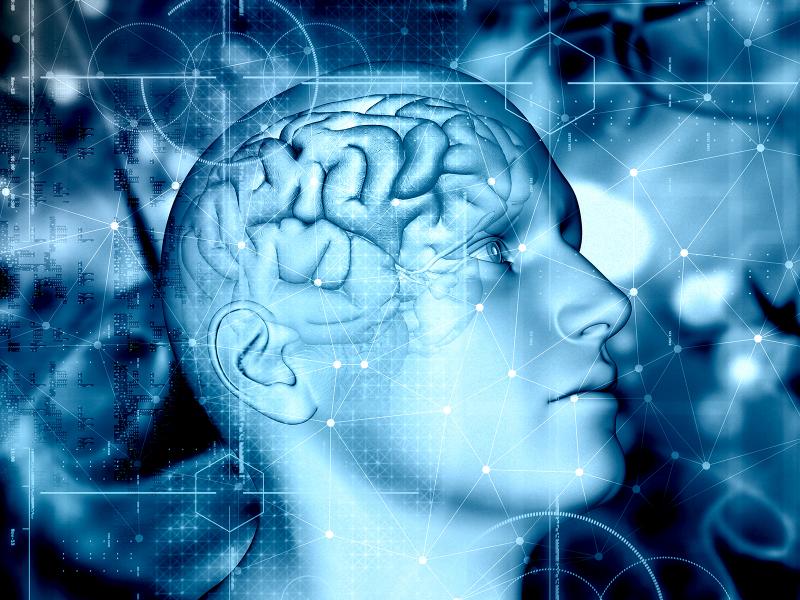
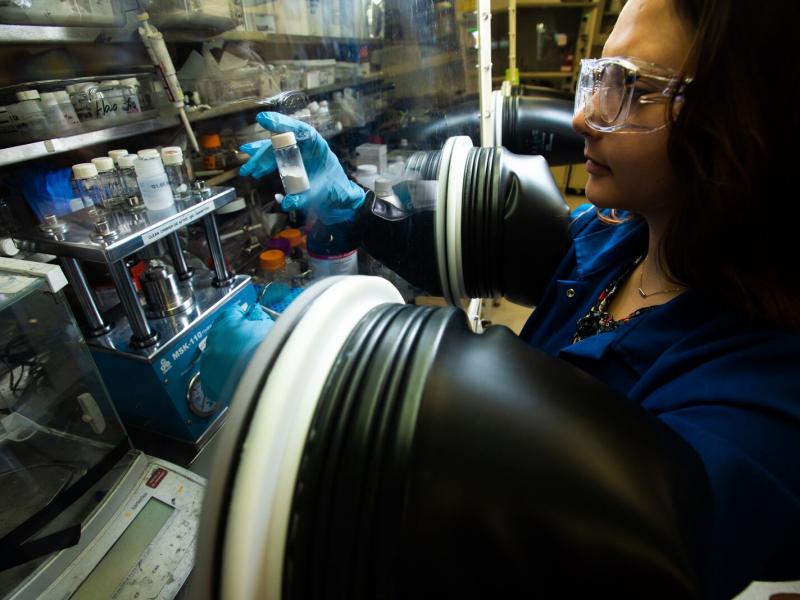
Night shift work disrupts the natural 24-hour rhythms in the activity of certain cancer-related genes, making workers more vulnerable to damage to their DNA.
Fifty-eight PNNL staff members were recognized as members of enterprise-wide teams that helped address challenges in national health and security through transformative science and technology solutions.
As he prepares to enter PNNL's Energy Sciences Center later this year, Vijayakumar 'Vijay' Murugesan is among DOE leaders exploring solutions to design and build transformative materials for batteries of the future.
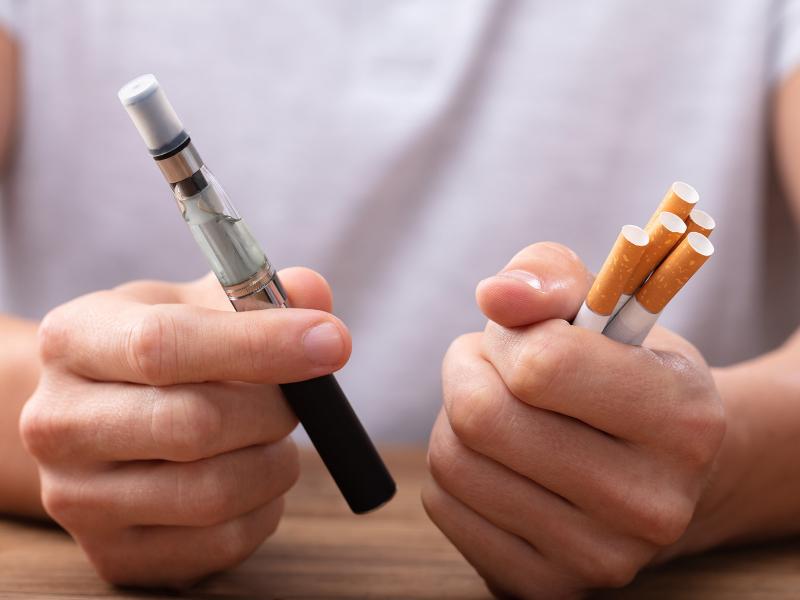
In a first-of-its-kind study, PNNL scientists are learning about how e-cigarettes can lead to changes in proteins at the molecular level that could contribute to disease or other health problems.
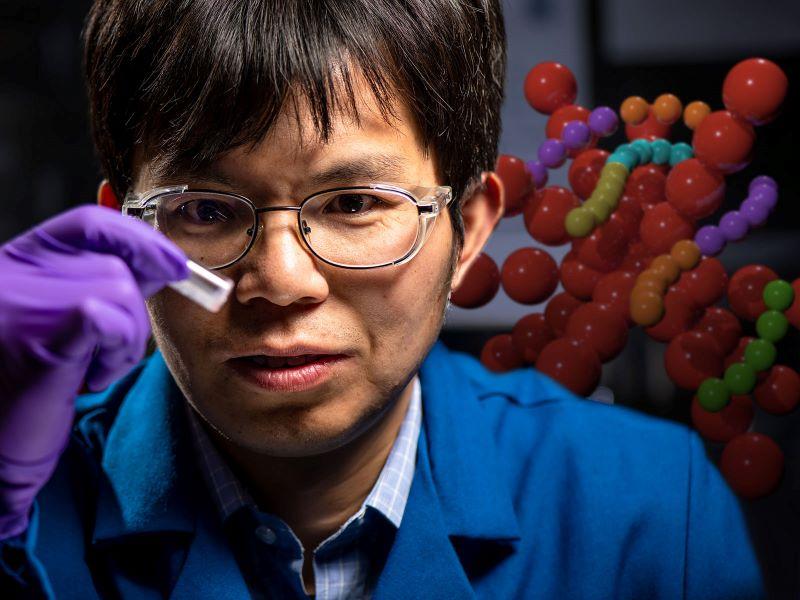
A new review paper led by senior research scientist Chun-Long Chen and featured on the cover of Accounts of Chemical Research summarizes advances by PNNL scientists in developing sequence-defined peptoids.
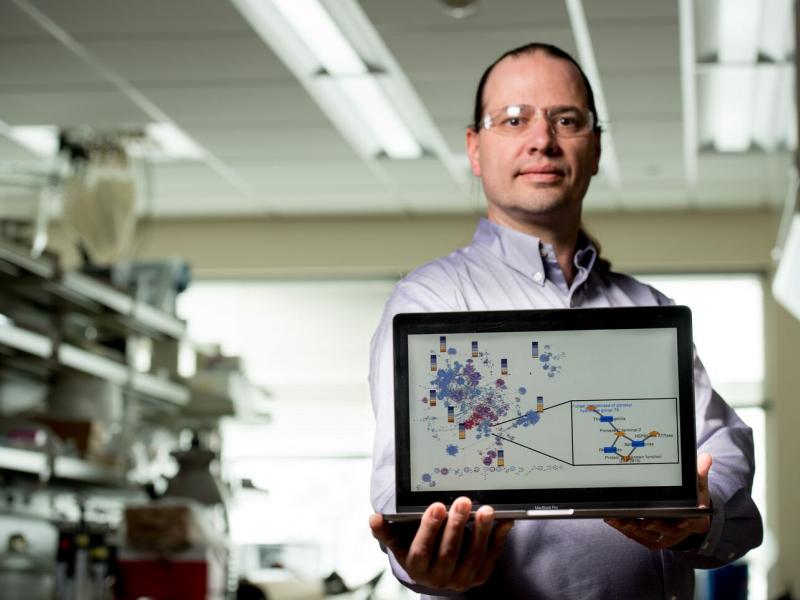
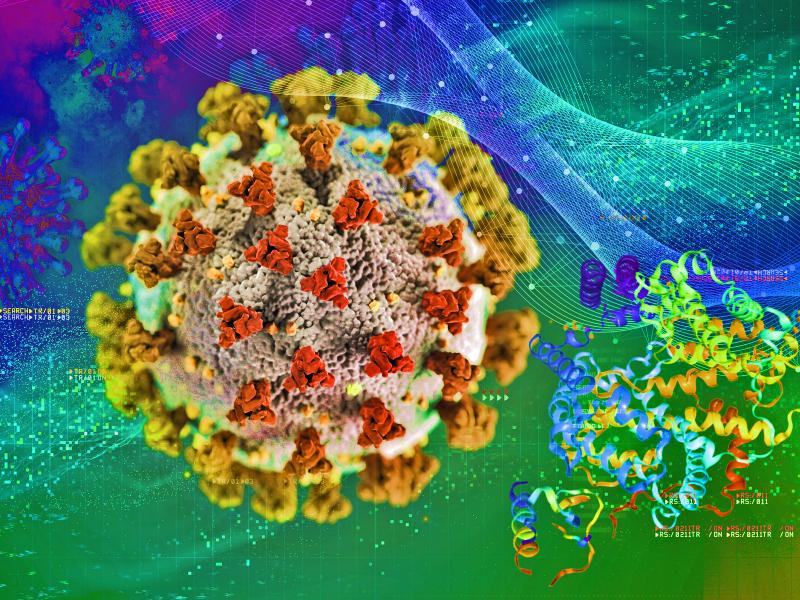
PNNL computational biologists, structural biologists, and analytical chemists are using their expertise to safely accelerate the design step of the COVID-19 drug discovery process.
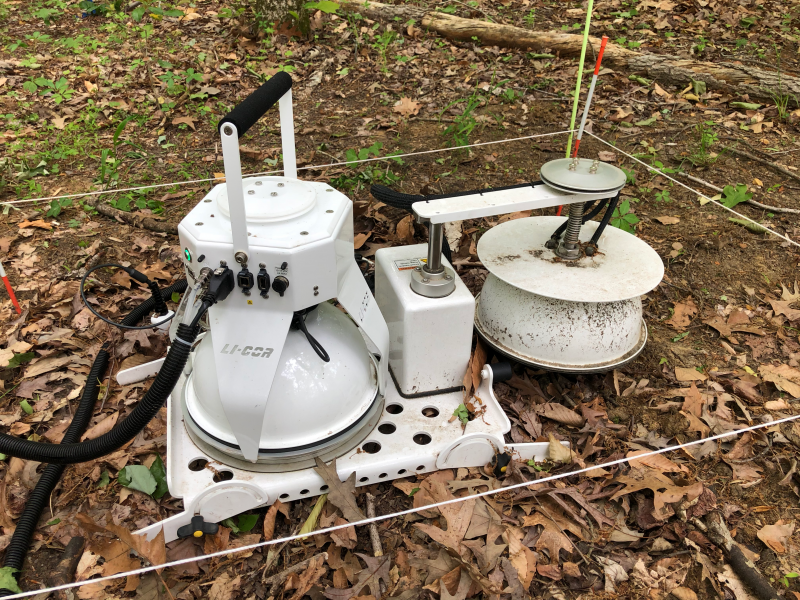
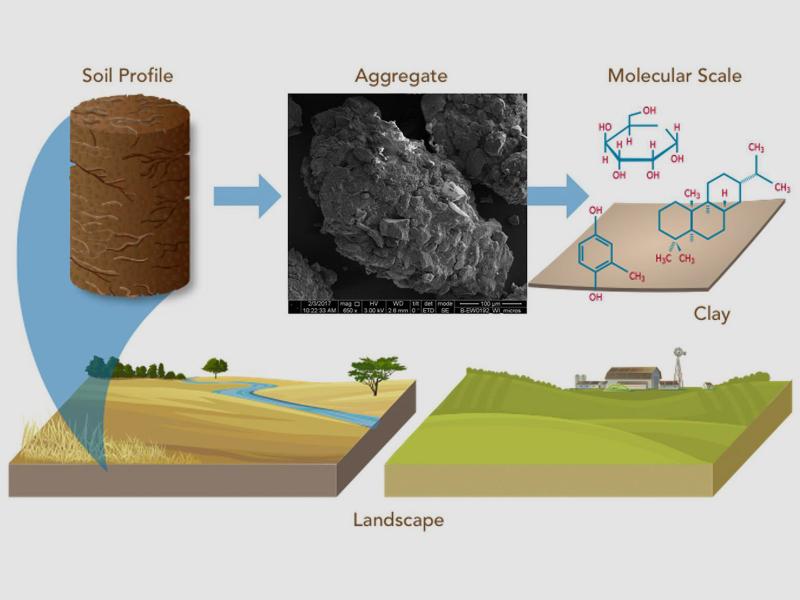
Microbiome and soil chemistry characterization at long-term bioenergy research sites challenges idea that switchgrass increases carbon accrual in surface soils of marginal lands.
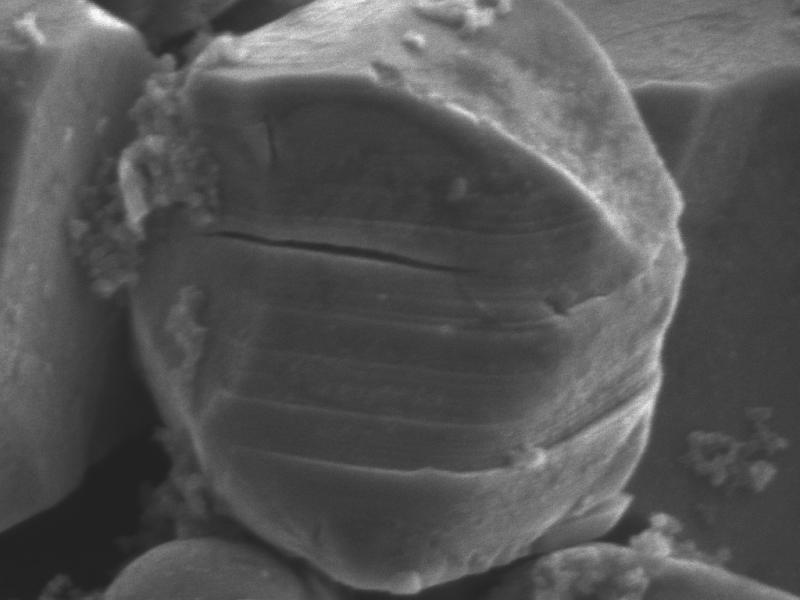
Scientists have created a single-crystal, nickel-rich cathode that is hardier and more efficient than before—important progress on the road to better lithium-ion batteries for electric vehicles.
The map fills in a portion of the study site missing from sampling studies and enables a better understanding of hydrological dynamics in a complex river corridor.