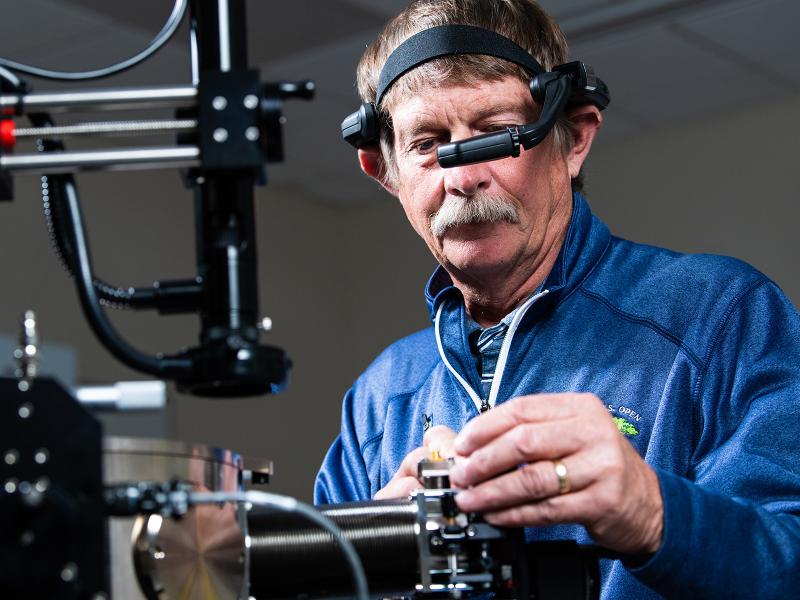
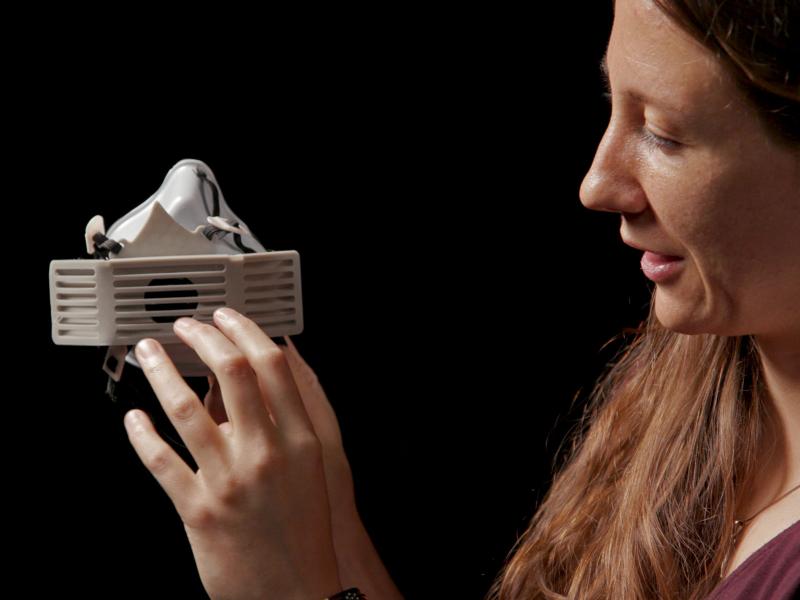
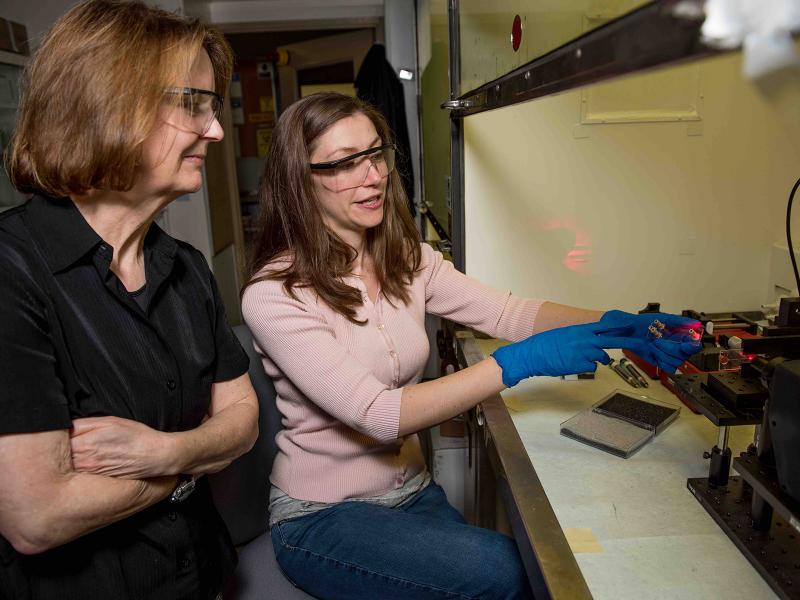
As COVID-19 was limiting in-person contact, halting travel, and creating additional barriers, researchers at PNNL were working to find solutions on how they could still get work done while establishing new safety protocols.
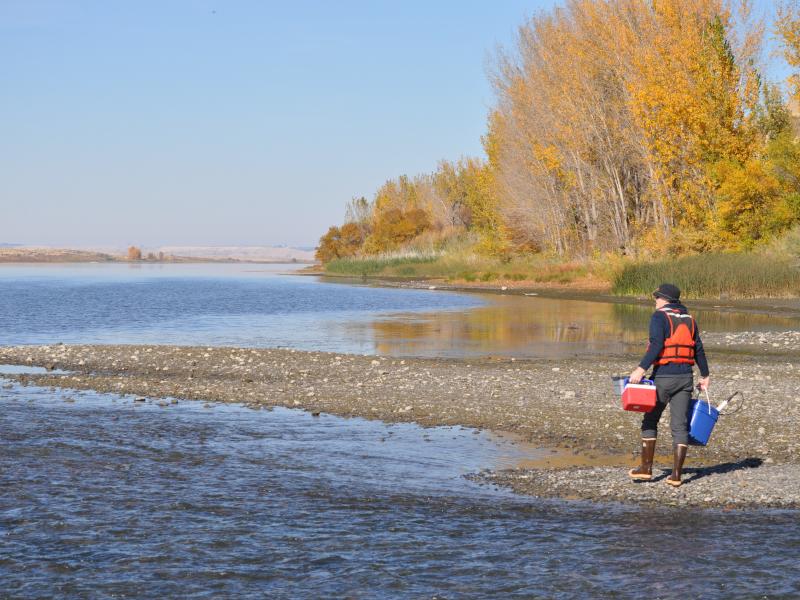
The map fills in a portion of the study site missing from sampling studies and enables a better understanding of hydrological dynamics in a complex river corridor.
Clarivate Analytics recently unveiled its 2020 list of Highly Cited Researchers. The list named 17 PNNL scientists for their influential and oft-referenced work.
Two PNNL researchers, one a world-leading authority on microorganisms, the other an expert on coastal ecosystem restoration, have been elected fellows of the American Association for the Advancement of Science.
This committee represents the country’s soil science community in the International Union of Soil Sciences, advises The National Academies, and communicates with professional societies and organizations.
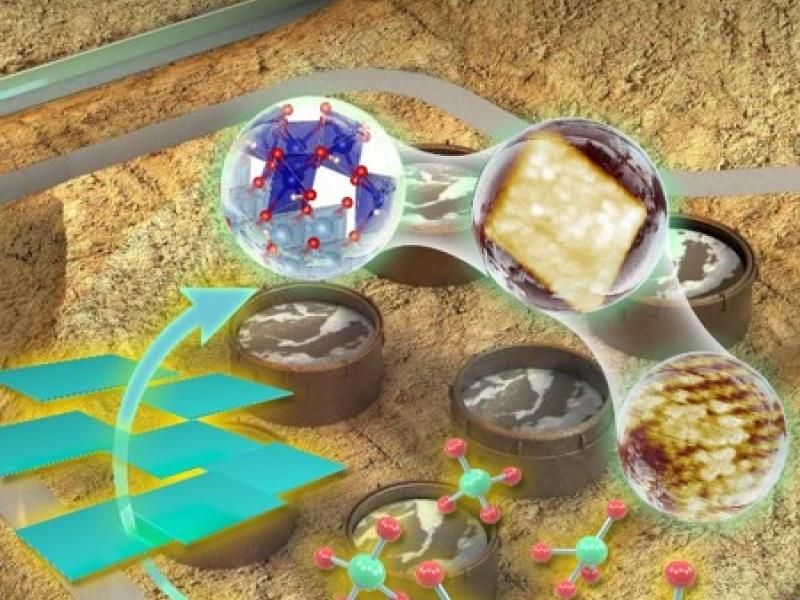
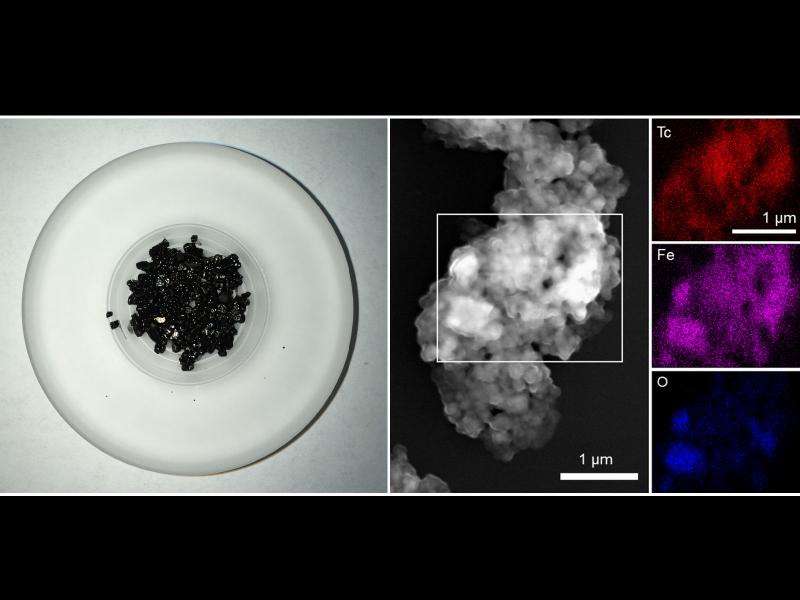
Researchers at Pacific Northwest National Laboratory (PNNL) are closer to understanding how iron may pave the way for sequestration of technetium-99 contaminants in the subsurface.
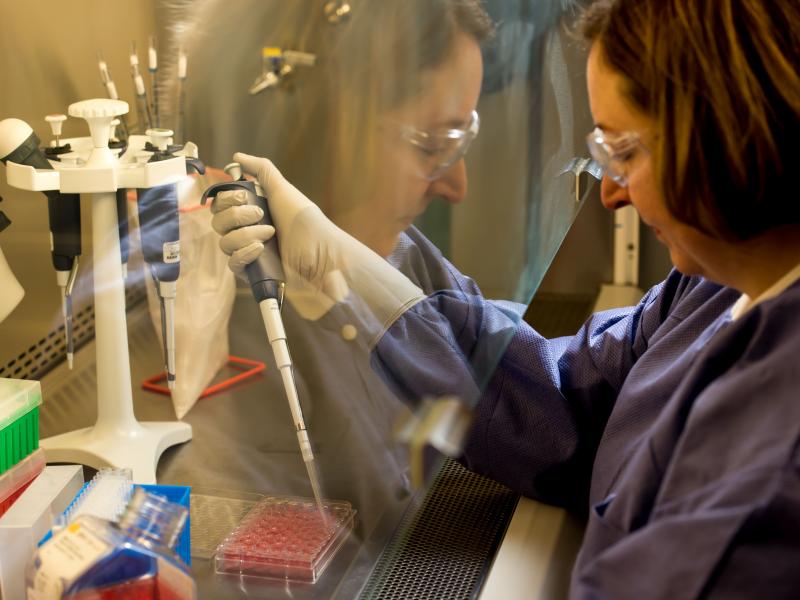
Researchers at PNNL have developed a bacteria testing system called OmniScreen that combines biological and synthetic chemistry with machine learning to hunt down pathogens before they strike.
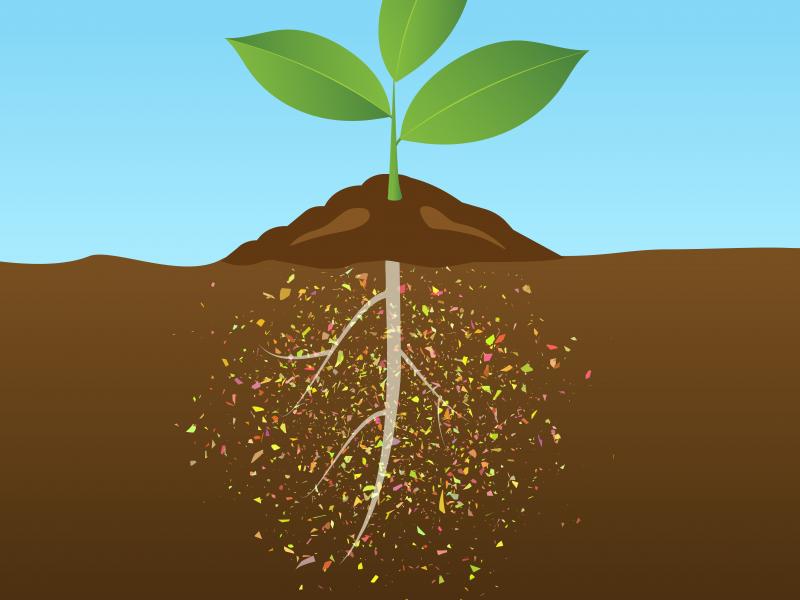
Like a toxic Trojan horse, microplastics can act as hot pockets of contaminant transport. But, can microplastics get into plant cells? Recent research shows that they can't.
An award-winning ion separation technology developed at PNNL has been licensed for biomedical applications. Continued research aims to make the devices suitable for molecular analysis in the field.
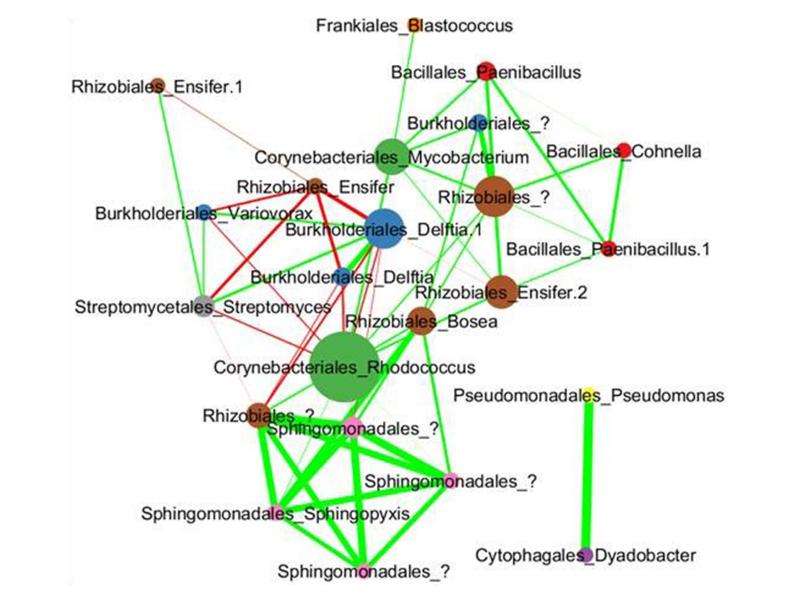
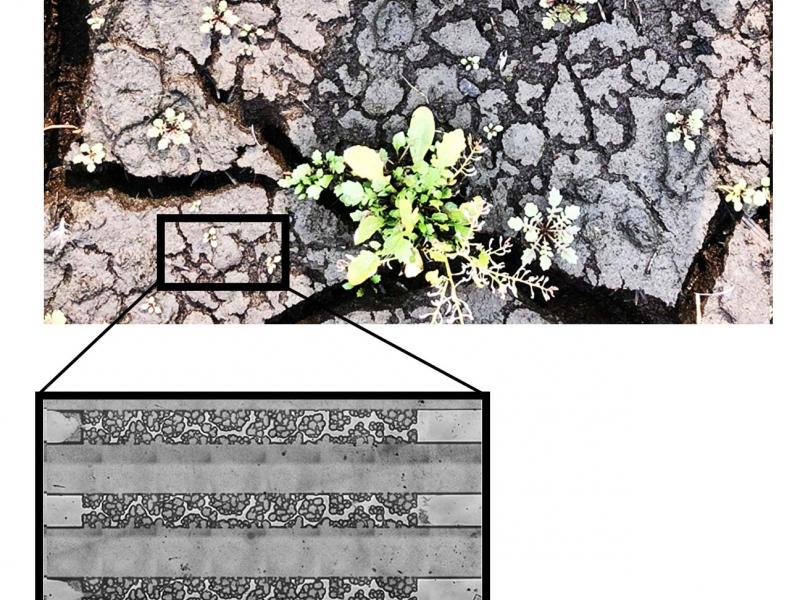
Soil microbial communities produced more water retaining molecules when enriched with insoluble organic carbon, chitin, compared to a soluble carbon source, N-acetylglucosamine.
Using a large repository of blood samples from military personnel, PNNL and Uniformed Services University scientists have discovered a group of 13 proteins that could provide early detection of head and neck cancers.
In recognition of Nuclear Science Week on Oct. 19-23, Pacific Northwest National Laboratory reflects on more than half a century of advancing nuclear science for the nation’s energy, environment, and security frontiers.