PNNL researchers used the Global Change Analysis Model (GCAM) to explore 15 different global scenarios that consisted of combinations of five different socioeconomic futures and four different climatic futures.
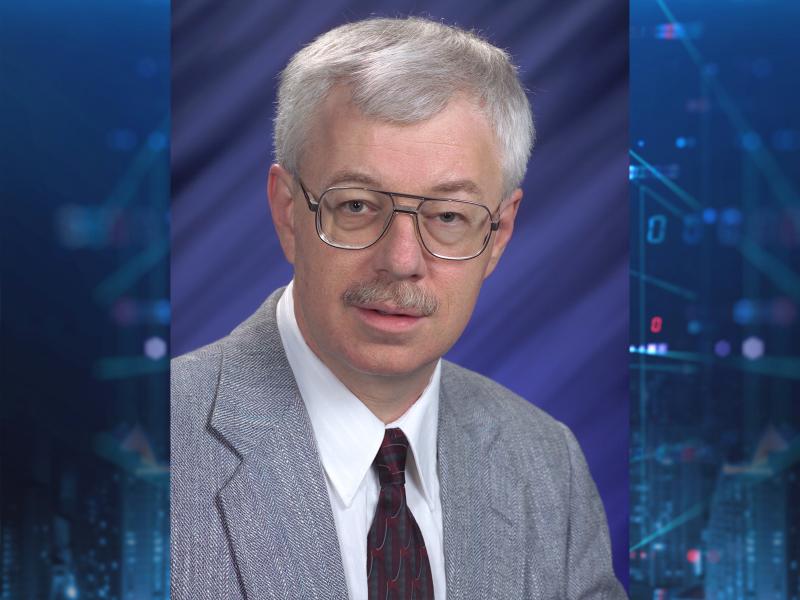
The American Society for Quality (ASQ) has recognized Laboratory Fellow and Pacific Northwest National Laboratory (PNNL) Statistician Greg Piepel with the William G. Hunter Award.
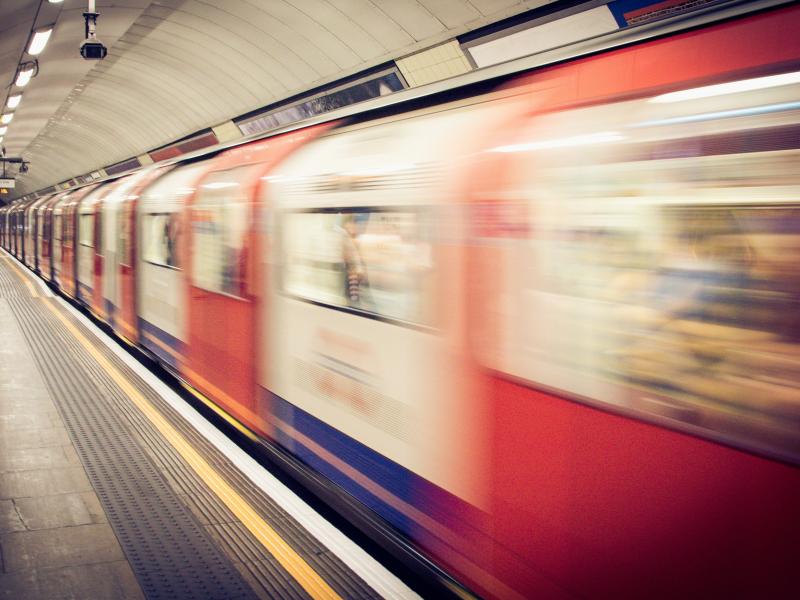
PNNL team has developed and implemented a generalizable computational framework to study the resilience of the multilayered London Rail Network to the compound threat of intense flooding and a targeted cyberattack.
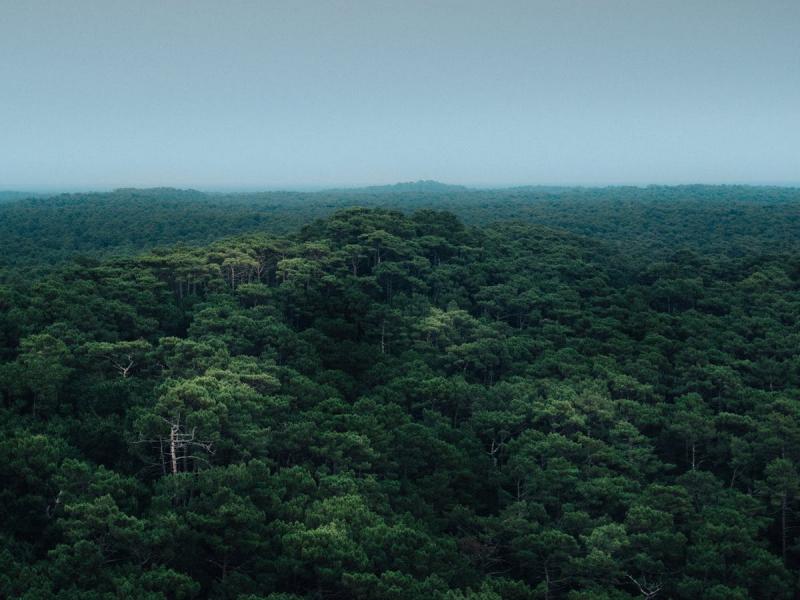
A team of researchers led by scientists from PNNL simulated carbon cycling and community composition during 100 years of forest regrowth following disturbance.
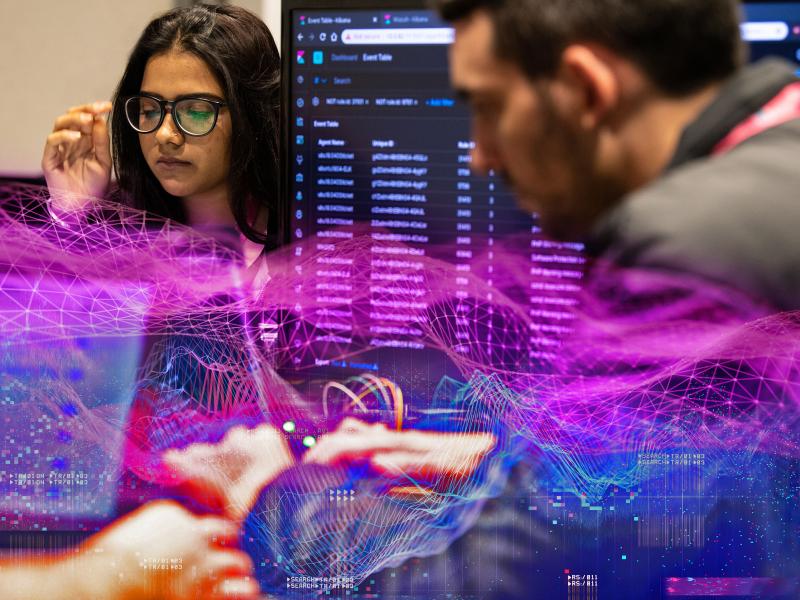
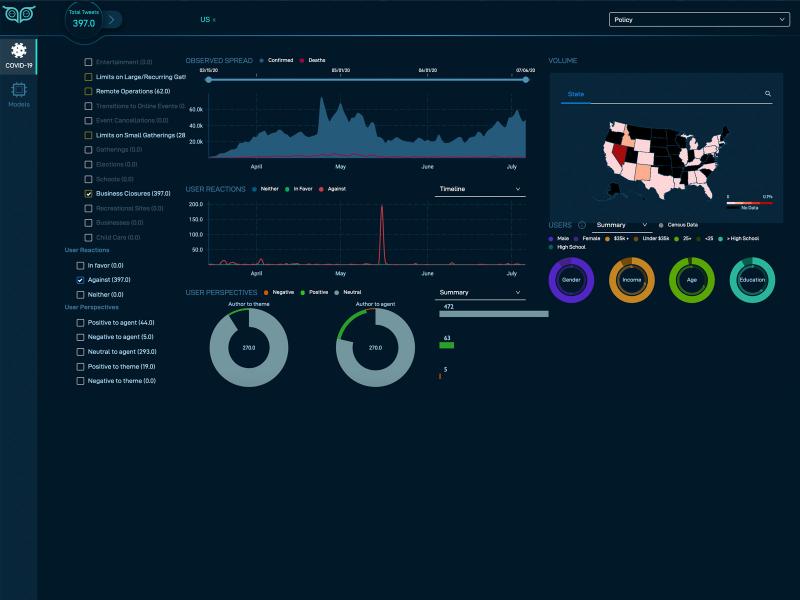
PNNL scientists have created a tool called WatchOwl to collect more than 4 million tweets per day related to the COVID-19 pandemic. The tool analyzes tweets related to interventions like social distancing and movement restrictions.
This study examines the roles of the semi-annual variation of solar radiation and soil moisture on the Madden-Julian Oscillation (MJO) propagation across the Maritime Continent islands.
University of Maryland, NASA Goddard Space Flight Center, and PNNL scientists explored how radiation-cloud-convection-circulation interactions (RC3I) affect the Intertropical Convergence Zone (ITCZ) and circulation at the global scale.
A study led by scientists at PNNL points to a new frontier for understanding the coupled climate system from the perspective of a nonlinear dynamical system.
By quantifying the contribution of snowpack to runoff and extreme flooding in mountainous regions in the western United States, PNNL researchers provided a unified view of the interactions between snowpack and precipitation.
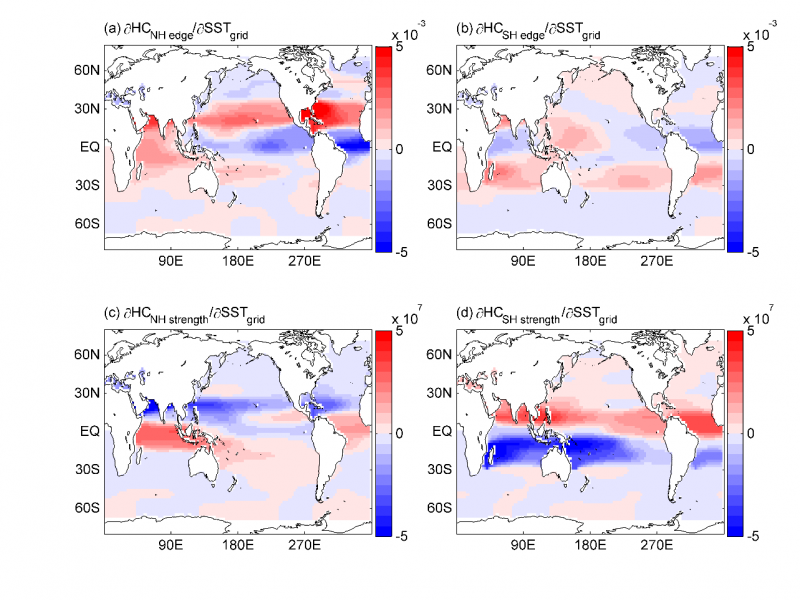
DOE lab and university researchers used the Community Atmospheric Model 5.3 to investigate the power sea surface temperature has on the intensification or widening of the Hadley cell in the Northern and Southern hemispheres.