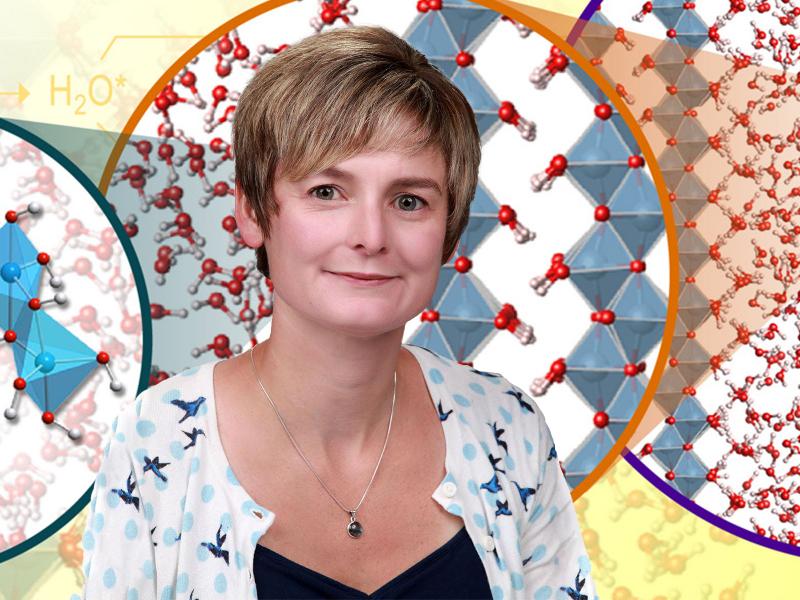
As he prepares to enter PNNL's Energy Sciences Center later this year, Vijayakumar 'Vijay' Murugesan is among DOE leaders exploring solutions to design and build transformative materials for batteries of the future.
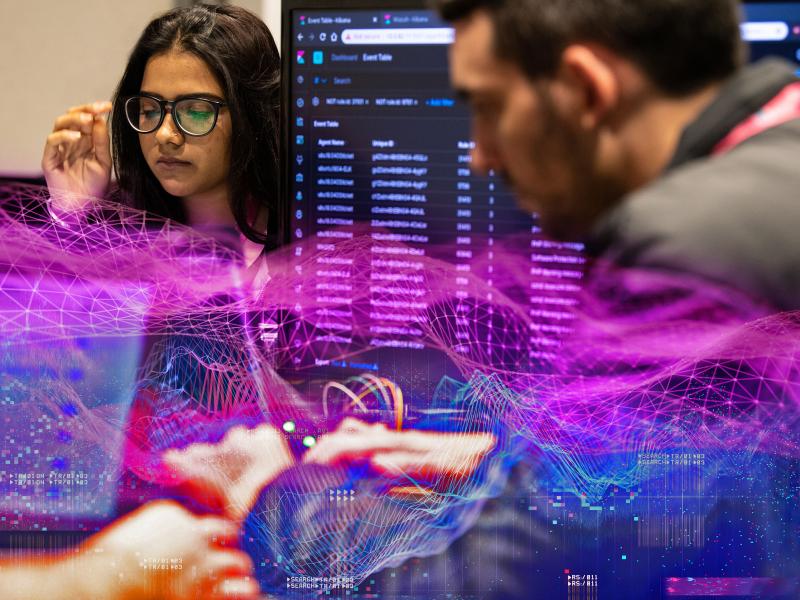
Red teaming for CPS, the process of challenging systems, involves a group of cybersecurity experts to emulate end-to-end cyberattacks following a set of realistic tactics, techniques, and procedures.
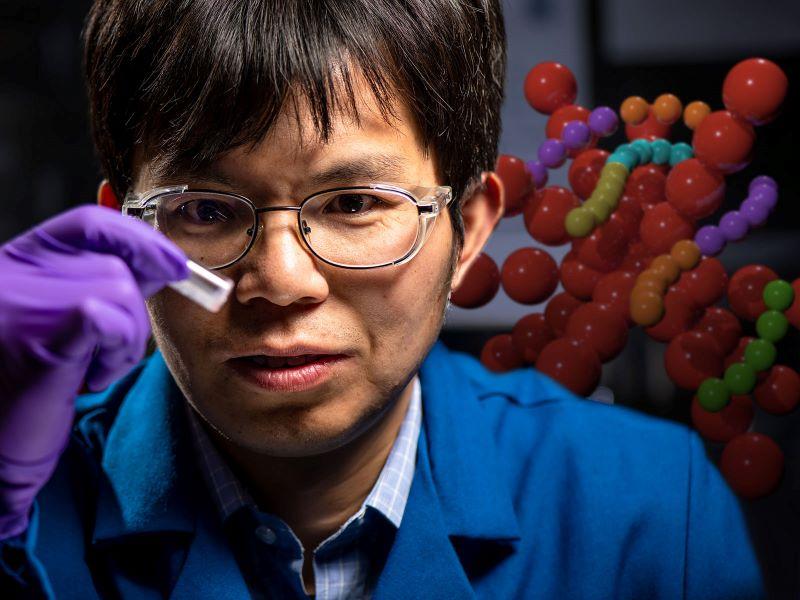
A new review paper led by senior research scientist Chun-Long Chen and featured on the cover of Accounts of Chemical Research summarizes advances by PNNL scientists in developing sequence-defined peptoids.
Beginning in 2021, PNNL chemical physicist Bruce Kay begins a three-year term as an AVS trustee, part of a six-member committee responsible for overseeing the administration of student scholarships and major society awards.
The American Society for Quality (ASQ) has recognized Laboratory Fellow and Pacific Northwest National Laboratory (PNNL) Statistician Greg Piepel with the William G. Hunter Award.
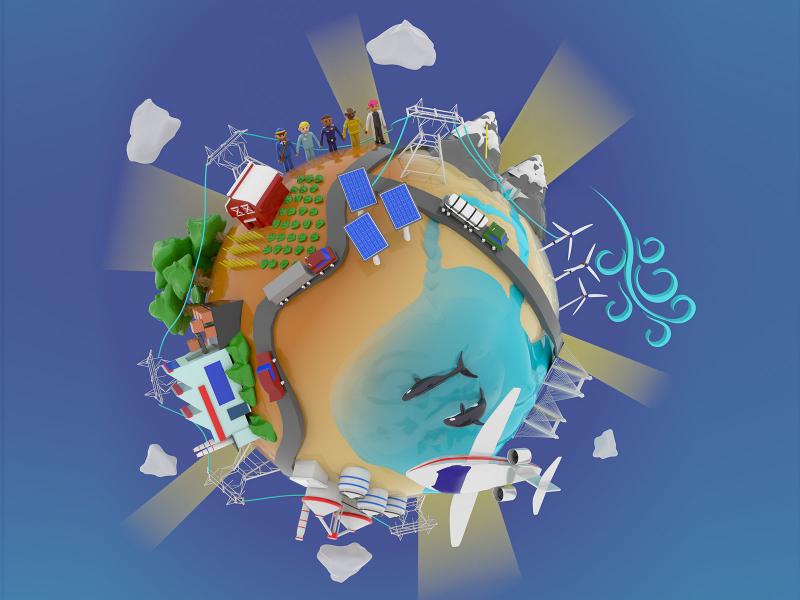
PNNL team has developed and implemented a generalizable computational framework to study the resilience of the multilayered London Rail Network to the compound threat of intense flooding and a targeted cyberattack.
In a new review, PNNL researchers outline how to convert stranded biomass to sustainable fuel using electrochemical reduction reactions in mini-refineries powered by renewable energy.
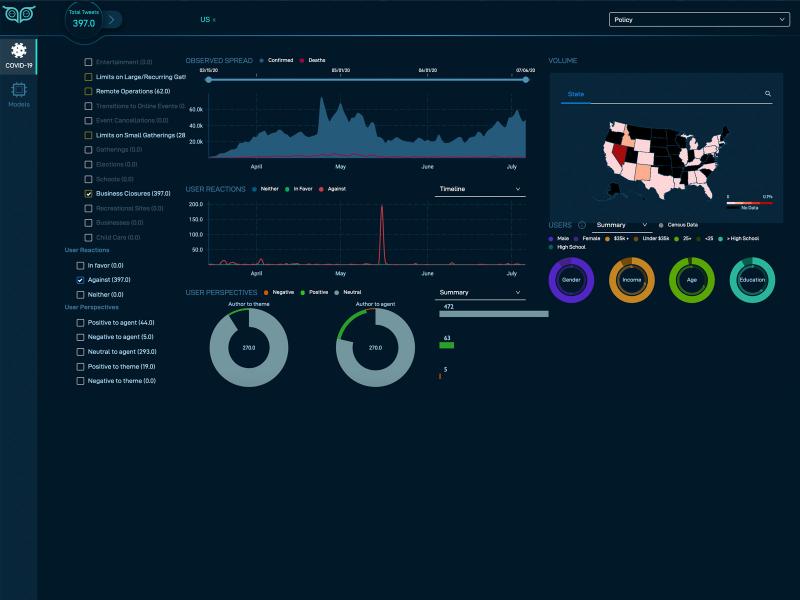
PNNL scientists have created a tool called WatchOwl to collect more than 4 million tweets per day related to the COVID-19 pandemic. The tool analyzes tweets related to interventions like social distancing and movement restrictions.
PNNL and Oklahoma State University join forces to understand the chemistry of sodium-ion and potassium-ion batteries thanks to an award from the U.S. Department of Energy's Established Program to Stimulate Competitive Research (EPSCoR).
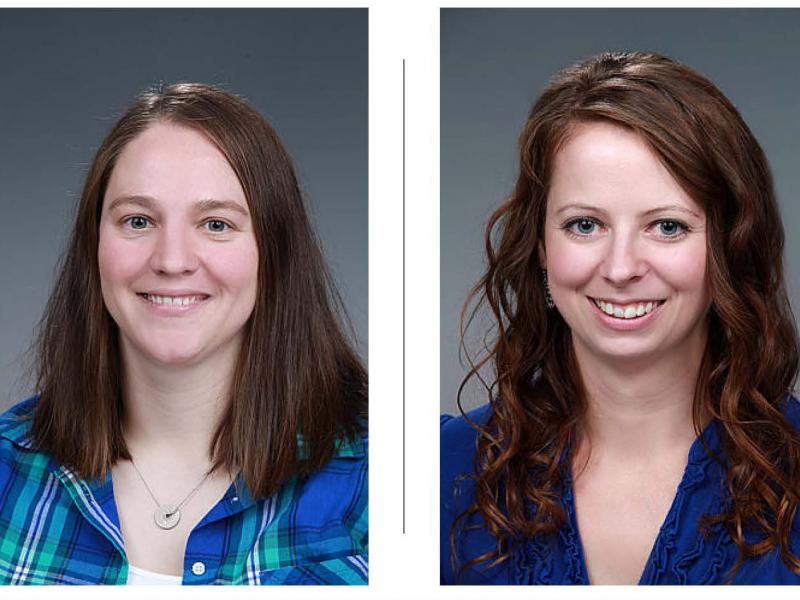
PNNL researchers Lisa Bramer and Sarah Reehl were on a team that received a patent for its work with electron microscopy. Electron microscopy allows scientists to make nanoscale observations of materials.
The National Association of Mathematics named PNNL Data Analyst Brett Jefferson best speaker for his presentation on an innovative mathematical finding that could be used to improve electric grid coverage.
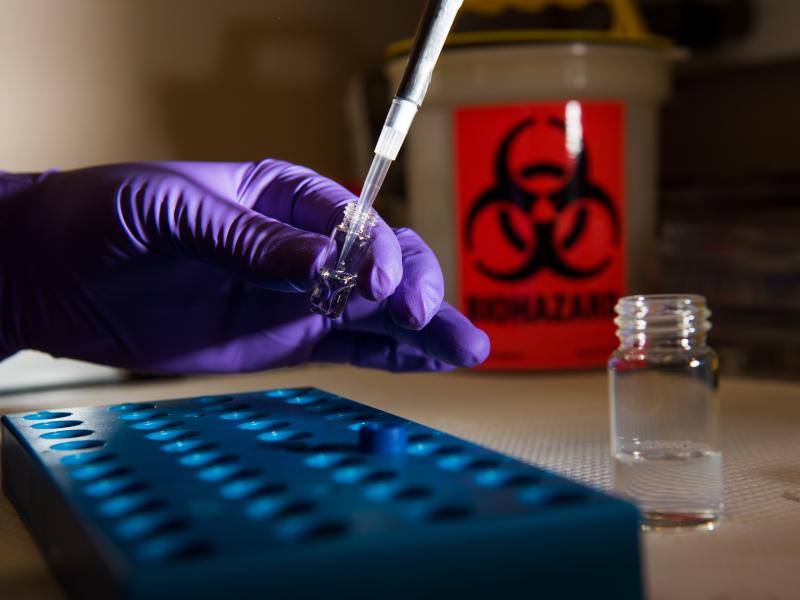
A new book by PNNL biochemist Erick Merkley details forensic proteomics, a technique that directly analyzes proteins in unknown samples, in pursuit of making proteomics a widespread forensic method when DNA is missing or ambiguous.
At a conference featuring the most advanced computing hardware and software, ML in its various guises was on full display and highlighted by Nathan Baker’s featured invited presentation.
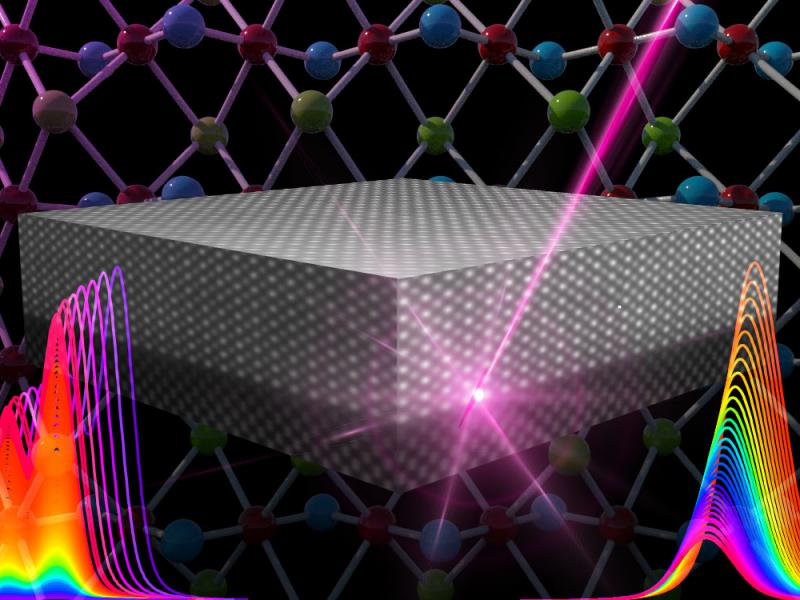
Scientists have taken a common component of digital devices and endowed it with a previously unobserved capability, opening the door to a new generation of silicon-based electronic devices.