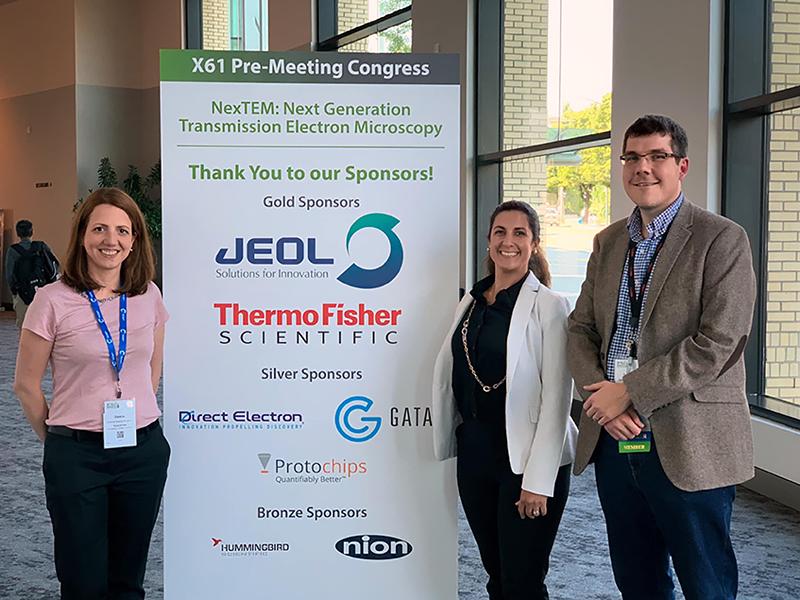
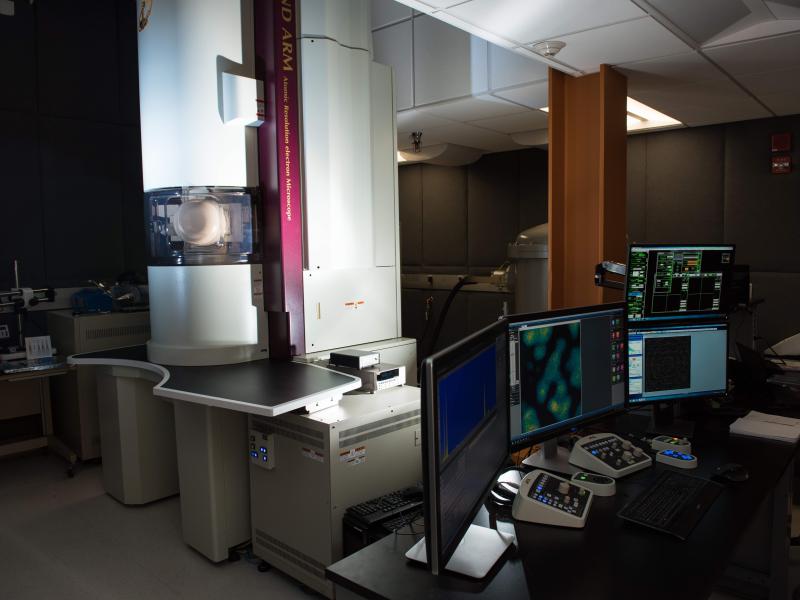
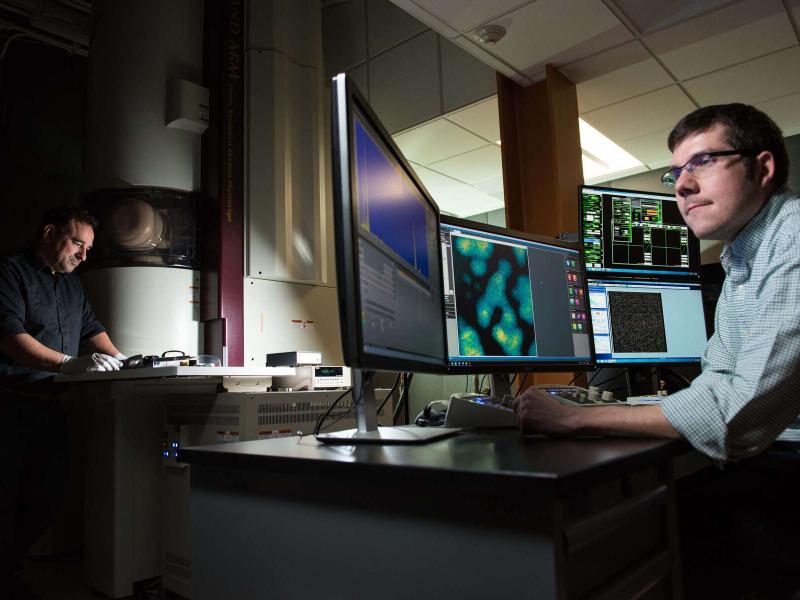
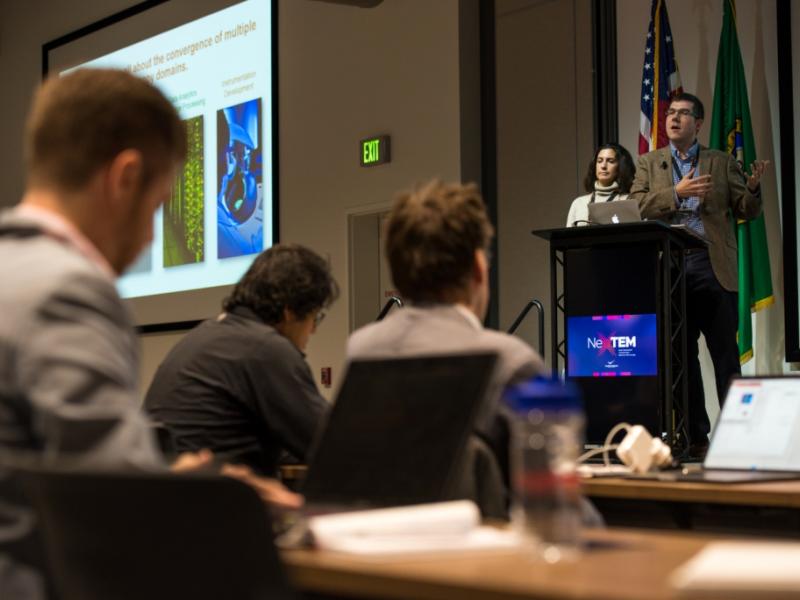
A gathering of international experts in Portland, Oregon, explored the future of electron microscopy and surfaced potential solutions in areas including new instrument designs, high-speed detectors, and data analytics capabilities.
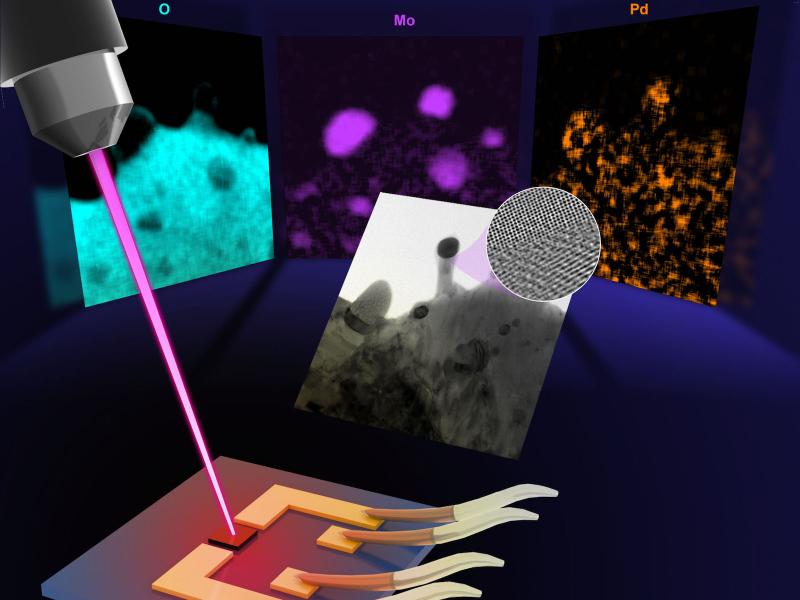
A multi-institute team develops an imaging method that reveals how uranium dioxide (UO2) reacts with air. This could improve nuclear fuel development and opens a new domain for imaging the group of radioactive elements known as actinides.
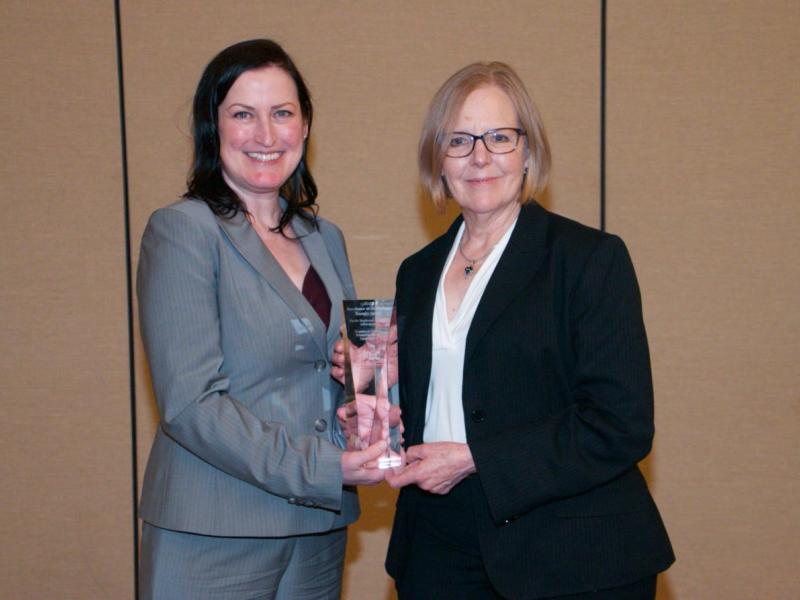
The ANS award will be presented at the Global Top Fuel 2019 Conference this September in Seattle, and comes amid several recent recognitions for Paviet.
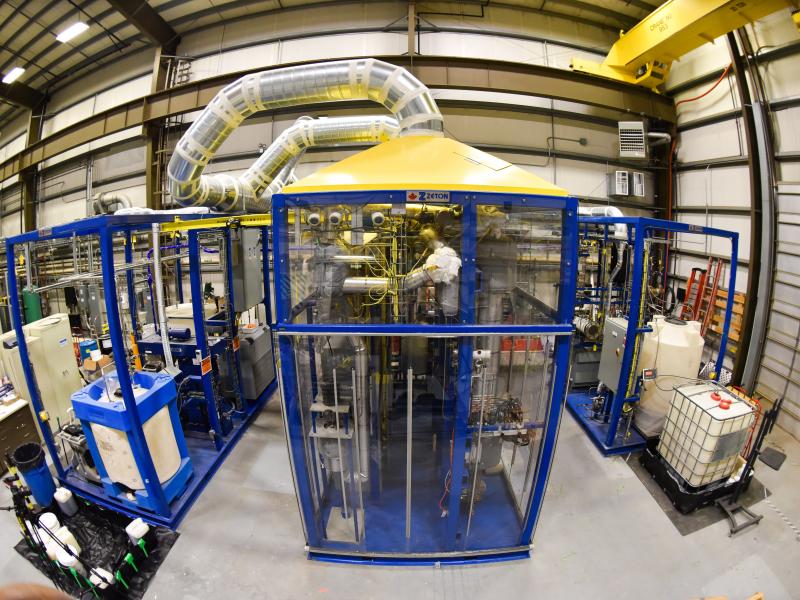
Researchers at PNNL have developed a model that predicts outcomes from the algae hydrothermal liquefaction process in a way that mirrors commercial reality much more closely than previous analyses.
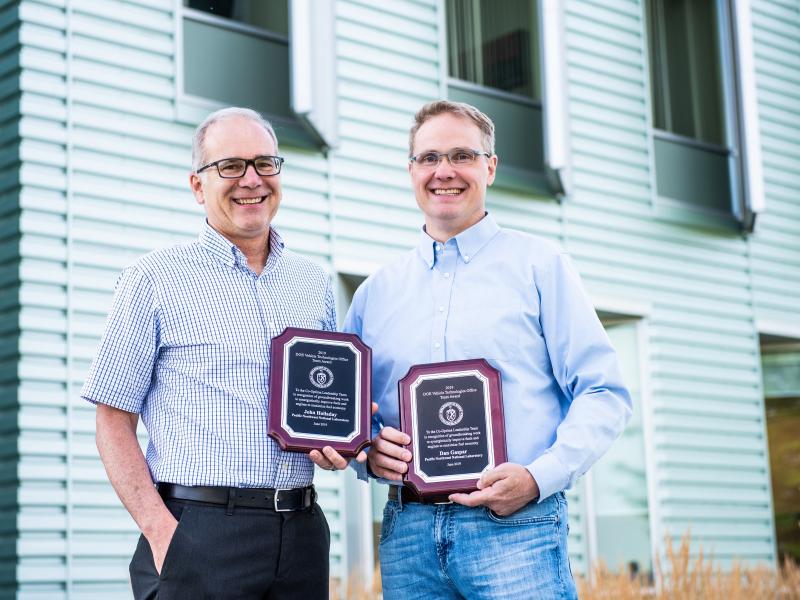
PNNL’s Dan Gaspar and John Holladay were part of the Co-Optima leadership team honored by DOE’s Vehicle Technologies Office. The award recognized groundbreaking work to synergistically improve fuels and engines to maximize fuel economy.
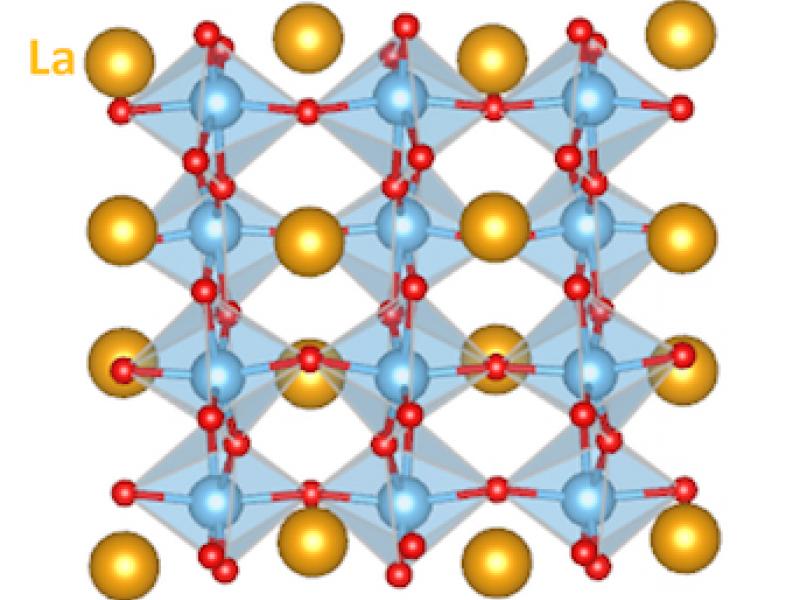
Researchers apply numerical simulations to understand more about a sturdy material and how its basic structure responds to and resists radiation. The outcomes could help guide development of the resilient materials of the future.
PNNL and collaborator LanzaTech were honored April 24 for their partnership in the development and commercialization of an ethanol-based synthetic paraffinic jet fuel that can use any sustainable ethanol as a feedstock.
The U.S. Nuclear Regulatory Commission, U.S. Army Corps of Engineers, and PNNL partnered to complete—in record time—an environmental impact statement for the nation’s first small modular nuclear reactor, to be sited at Clinch River, Tenn.
It’s hot in there! PNNL researchers take a close, but nonradioactive, look at metal particle formation in a nuclear fuel surrogate material. What they found will help fill knowledge gaps and could lead to better nuclear fuel designs.
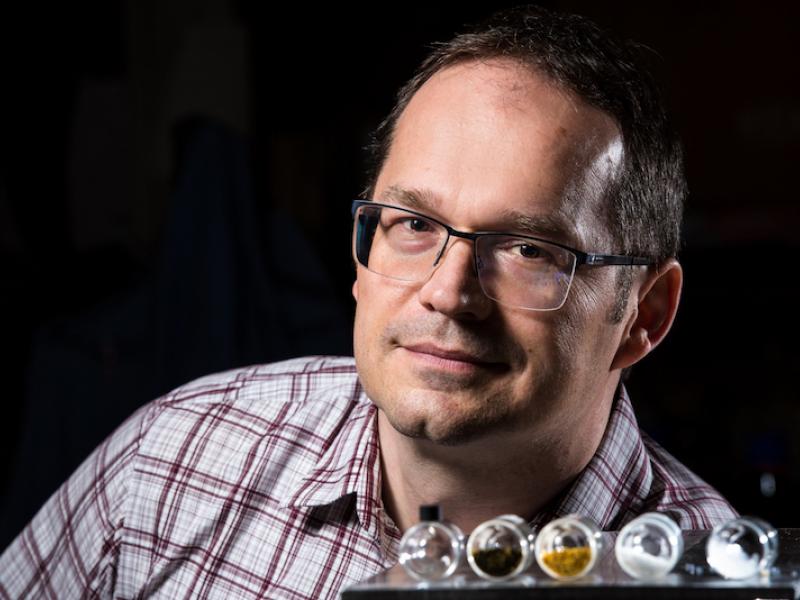
Josef "Pepa" Matyas, a materials scientist in PNNL’s Nuclear Sciences Division, has been elected a fellow of the American Ceramic Society (ACerS). He will be recognized at the ACerS annual meeting on September 30, 2019, in Portland, Ore.
PNNL leads a consortium to help find the best algae strains for biofuels and bioproducts to reduce the cost of producing bioenergy from algae feedstocks.
Researchers used novel methods to safely create and analyze plutonium samples. The approaches could prove influential in future studies of the radioactive material, benefitting research in legacy, national security and nuclear fuels.
A process for converting carbon-rich pollution to jet fuel powered a commercial flight for the first time, marking history and ushering in a new era for low-carbon aviation.