Contributions from researchers across Pacific Northwest National Laboratory (PNNL) were recently recognized in the preliminary findings of a Secretary of Energy Advisory Board (SEAB) report.
A 2011 earthquake and tsunami in Japan that knocked out a nuclear power plant helped inspire PNNL computational scientists looking for clues of future nuclear reactor mishaps by tracking radioactive iodine.
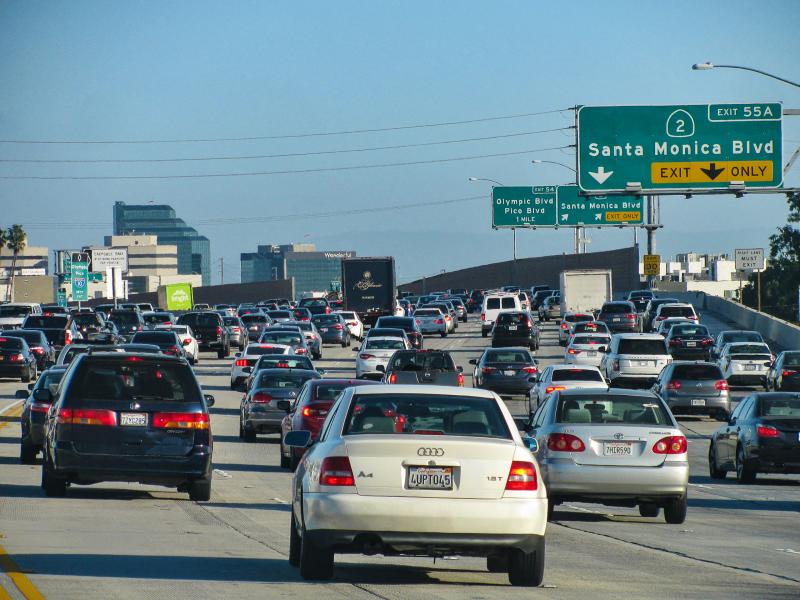
A new PNNL report says the western U.S. power system can handle large-scale vehicle electrification up to 24 million vehicles through 2028, but more than that and cities could start feeling the squeeze.
Researchers performed controlled laboratory experiments using river sediment to test organic matter thermodynamics as a mechanism of metabolic control in areas where groundwater and surface water mix.
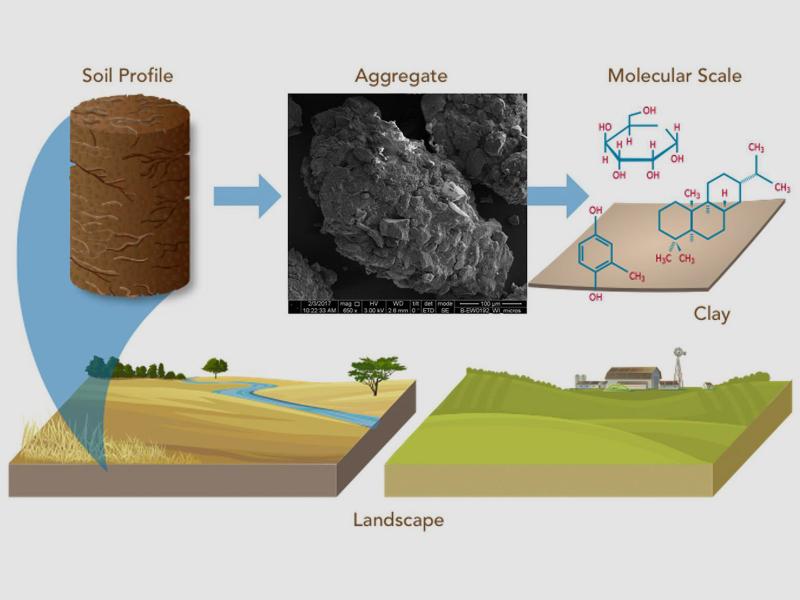
Researchers performed a combined analysis of metabolic and gene co-expression networks to explore how the soil microbiome responds to changes in moisture and nutrient conditions.
By studying discrete functional components of the soil microbiome at high resolution, researchers obtained a more complete picture of soil diversity compared to analysis of the entire soil community.
A multi-institution research team found how the protein environment surrounding some enzymes can alter the direction of a cellular reaction, as well as its rate—up to six orders of magnitude—in a phenomenon referred to as catalytic bias.
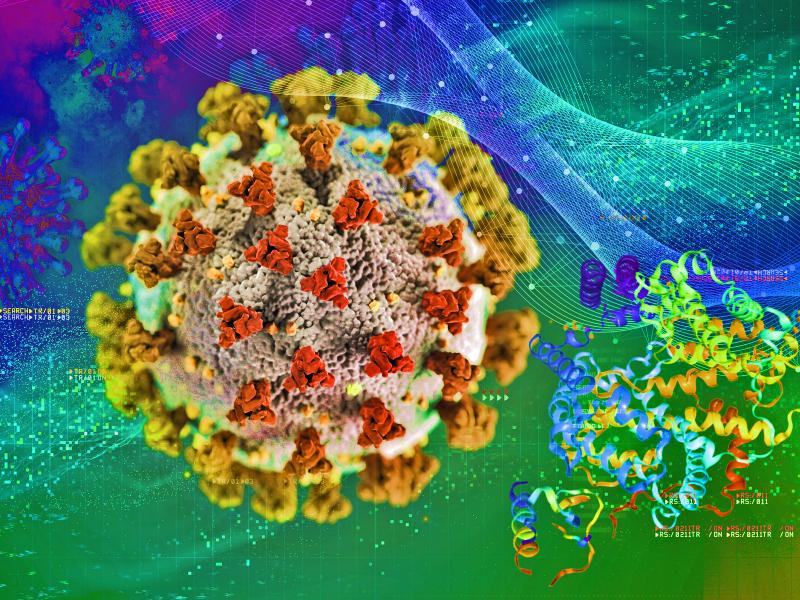
Six months into a pandemic that has claimed more than 570,000 lives worldwide, scores of PNNL scientists are engaged in dozens of projects in the fight against COVID-19.
PNNL data scientists Maria Glenski and Svitlana Volkova have contributed a chapter to a book titled Disinformation, Misinformation, and Fake News in Social Media: Emerging Research Challenges and Opportunities.
PNNL is managing the Data Archive and Portal, which provides the wind research community with secure, timely, easy, and open access to all data brought in from research under DOE’s Atmosphere to Electrons program.
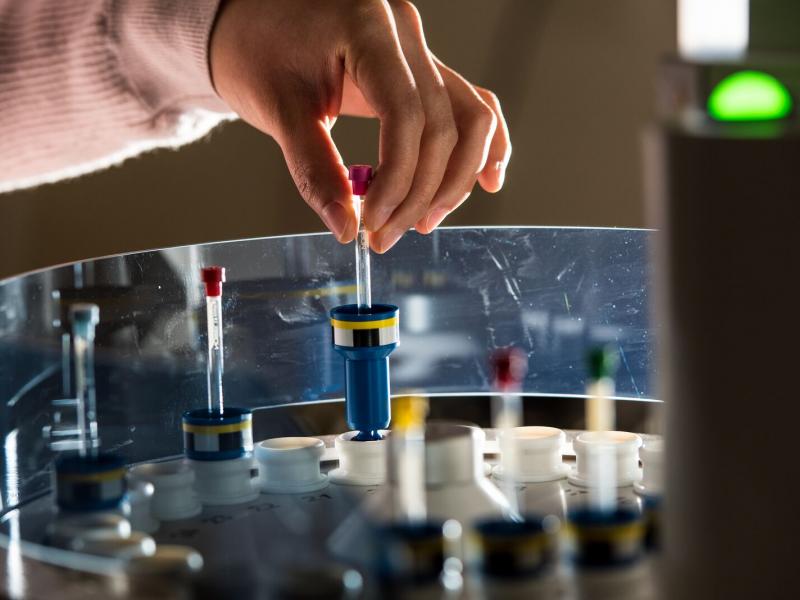
Accurate identification of metabolites, and other small chemicals, in biological and environmental samples has historically fallen short when using traditional methods.
Two PNNL team members, Courtney Corley, a data scientist, and Kyle Bingman, an advisor on assured artificial intelligence (AI), were featured on a recent episode of the U.S. Department of Energy Direct Currents podcast.
Ten staff members from PNNL were invited to attend and lead the various breakout sessions at the Department of Energy Office of Science 5G Enabled Energy Innovation Workshop (5GEEIW), which was held in early March.
A new study is among the first to trace the molecular connections between genetics, the gut microbiome and memory in a mouse model bred to resemble the diversity of the human population.