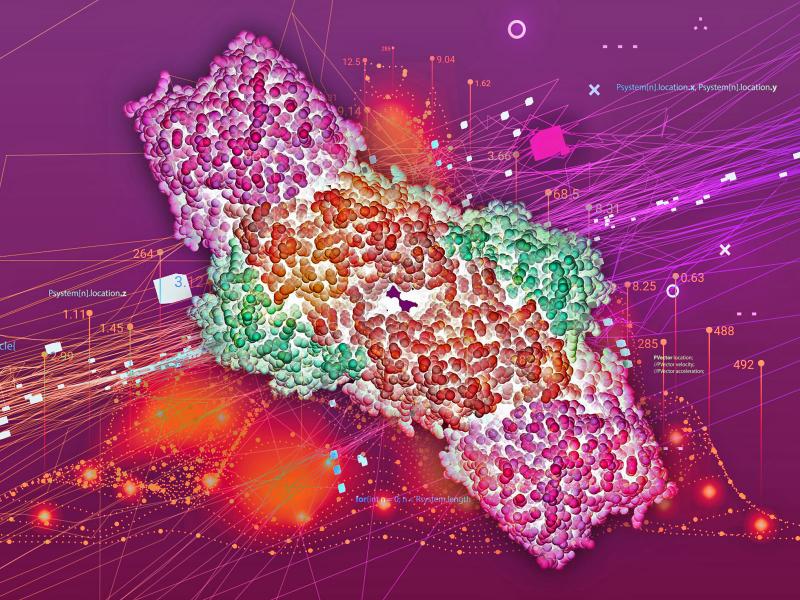
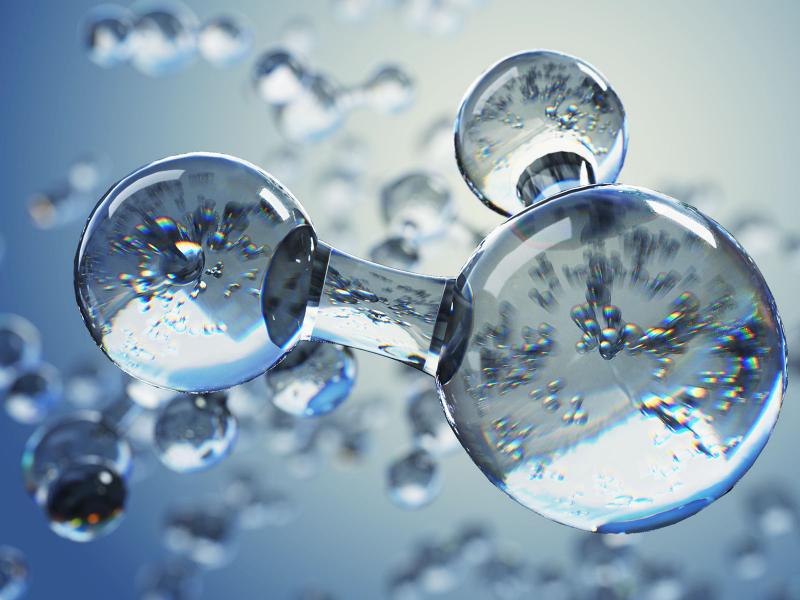
With quantum chemistry, researchers led by PNNL computational scientist Simone Raugei are discovering how enzymes such as nitrogenase serve as natural catalysts that efficiently break apart molecular bonds to control energy and matter.
Study says planners need to account for climate impacts on renewable energy during capacity development planning to fully understand investment implications to the power sector.
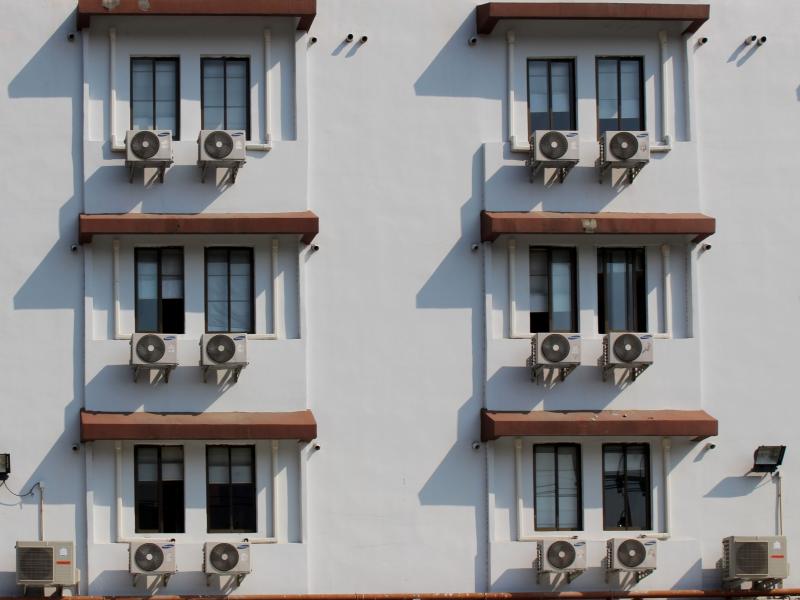
A new study projects that electricity demand tied to cooling U.S. buildings will grow as peak temperatures rise, and so too would the need for an expanded power sector.
PNNL highlights four researchers whose joint appointments are creating new and diverse opportunities for expanding knowledge and scientific impact across institutions.
A special issue of the Marine Technology Society Journal, titled “Utilizing Offshore Resources for Renewable Energy Development,” focuses on research and development efforts including those at Pacific Northwest National Laboratory (PNNL).
Using public data from the entire 1,500-square-mile Los Angeles metropolitan area, PNNL researchers reduced the time needed to create a traffic congestion model by an order of magnitude, from hours to minutes.
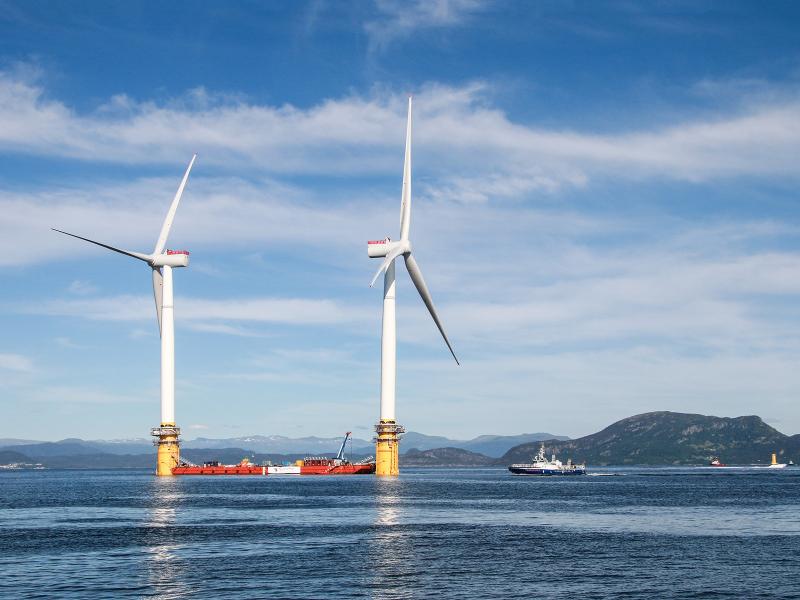
PNNL researchers say that offshore wind energy can add value to the electric grid, beyond just the power it can produce, if locations and strategies are optimized.
PNNL researchers have shown an improved binarized neural network can deliver a low-cost and low-energy computation to help the performance of smart devices and the power grid.
Pacific Northwest National Laboratory researchers developed a graphical processing unit (GPU)-centered quantum computer simulator that can be 10 times faster than any other quantum computer simulator.
PNNL’s new Smart Power Grid Simulator, or Smart-PGSim, combines high-performance computing and artificial intelligence to optimize power grid simulations without sacrificing accuracy.
The MIT-sponsored competition encourages community approaches to developing new solutions for analyzing graphs and sparse data; PNNL has placed a winner in each year.
Tracking down nefarious users is just one example of work at PNNL’s Center for Advanced Technology Evaluation, a computing proving ground supported by DOE’s Advanced Scientific Computing Research program.
Pacific Northwest National Laboratory researchers used machine learning to explore the largest water clusters database, identifying—with the most accurate neural network—important information about this life-essential molecule.
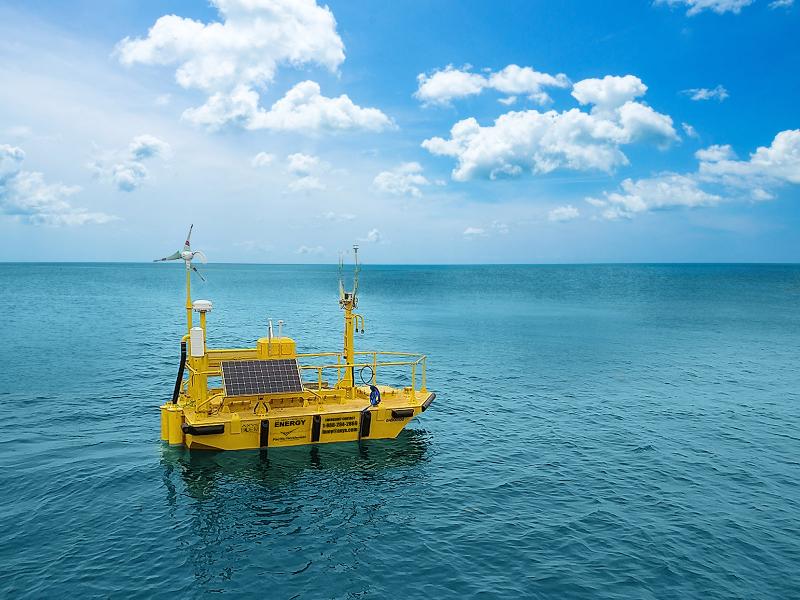
PNNL deployed two research buoys in waters off the West Coast for the first time in deep water, supporting a DOE and Bureau of Ocean Energy Management effort to gather measurements that support offshore wind locations and technologies.