PNNL-developed Water Balance Tool estimates consumption for major water end-uses. Understanding the breakout of water use identifies water efficiency opportunities and allows facility managers to spot potential system losses.
New Distinguished Graduate Research Program will provide opportunities for North Carolina State University doctoral students to tackle real-world data science challenges alongside PNNL scientists.
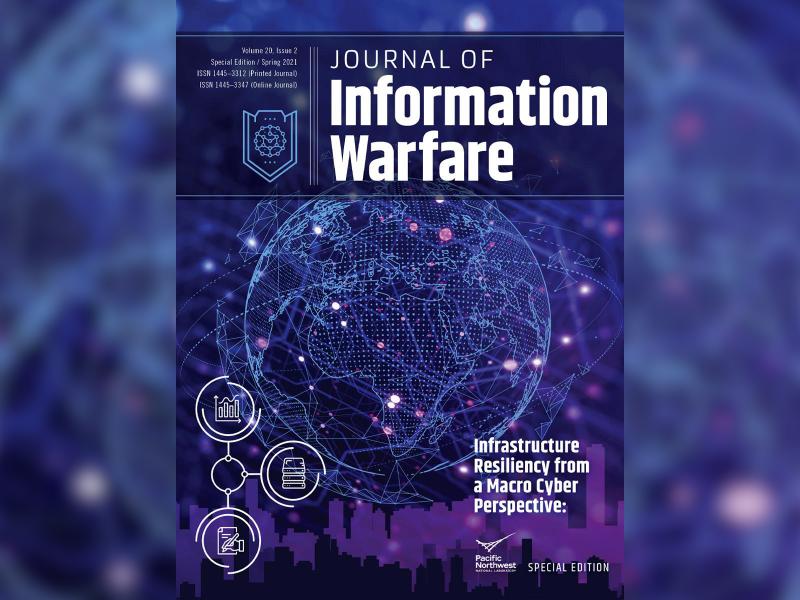
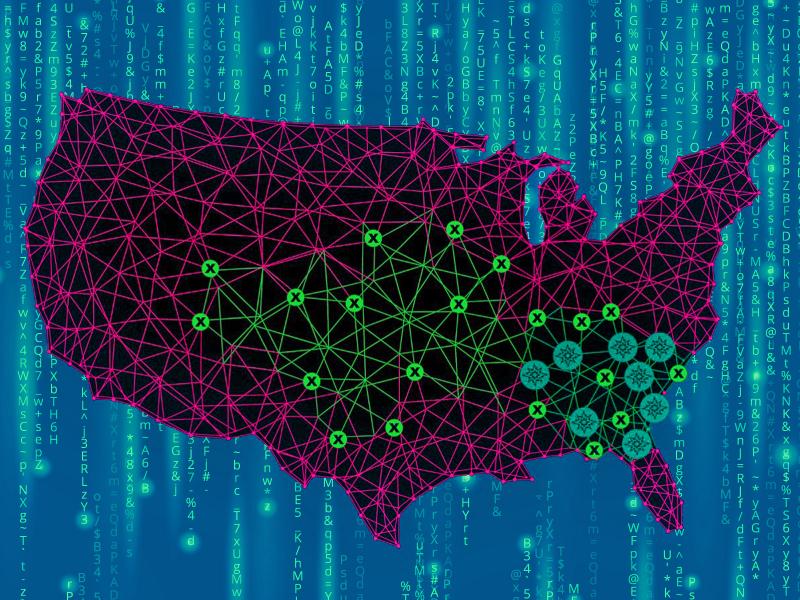
New mathematical tools developed at PNNL hold promise to transform the way we operate and defend complex cyber-physical systems, such as the power grid.
The partnership to apply artificial intelligence to improve complex systems is part of a U.S. Department of Energy Office of Science $4.2 million, three-year grant.
PNNL scientists joined international leaders in artificial intelligence research to discuss the latest advances, opportunities, and challenges for neural information processing—the foundation for AI.
Red teaming for CPS, the process of challenging systems, involves a group of cybersecurity experts to emulate end-to-end cyberattacks following a set of realistic tactics, techniques, and procedures.
Buildings account for around 40 percent of our nation's energy use and consume 75 percent of our nation’s electricity each year. Energy use is also one of the biggest costs for facility owners.
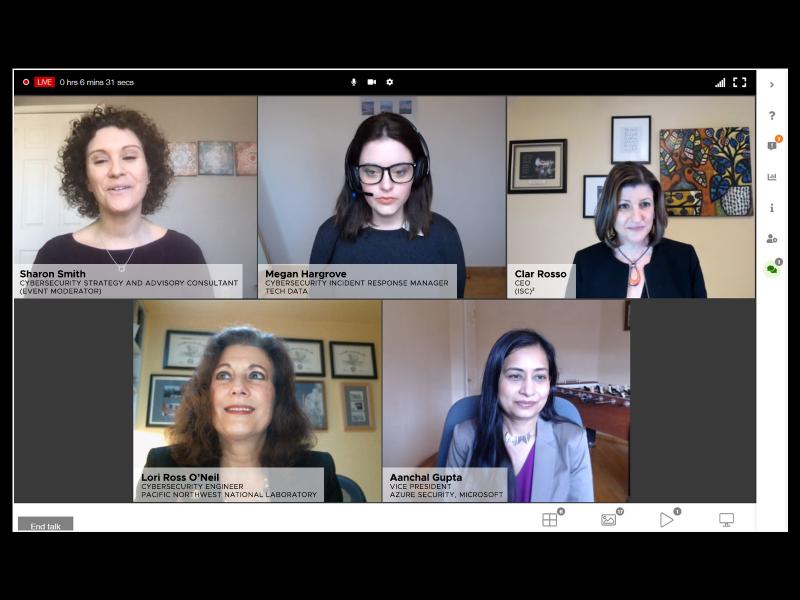
As COVID-19 was limiting in-person contact, halting travel, and creating additional barriers, researchers at PNNL were working to find solutions on how they could still get work done while establishing new safety protocols.
PNNL’s longstanding grid and buildings capabilities are driving two projects that test transactive energy concepts on a grand scale and lay the groundwork for a more efficient U.S. energy system.
PNNL researchers have shown an improved binarized neural network can deliver a low-cost and low-energy computation to help the performance of smart devices and the power grid.
The project received an Innovative and Novel Computational Impact on Theory and Experiment (INCITE) award, a highly competitive U.S. Department of Energy Office of Science program.
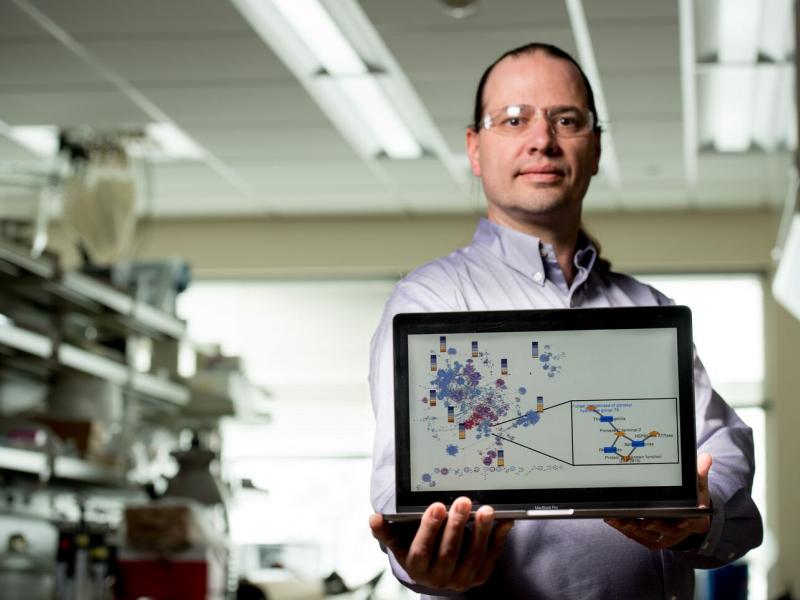
Researchers at PNNL have developed a bacteria testing system called OmniScreen that combines biological and synthetic chemistry with machine learning to hunt down pathogens before they strike.
PNNL’s new Smart Power Grid Simulator, or Smart-PGSim, combines high-performance computing and artificial intelligence to optimize power grid simulations without sacrificing accuracy.
The MIT-sponsored competition encourages community approaches to developing new solutions for analyzing graphs and sparse data; PNNL has placed a winner in each year.