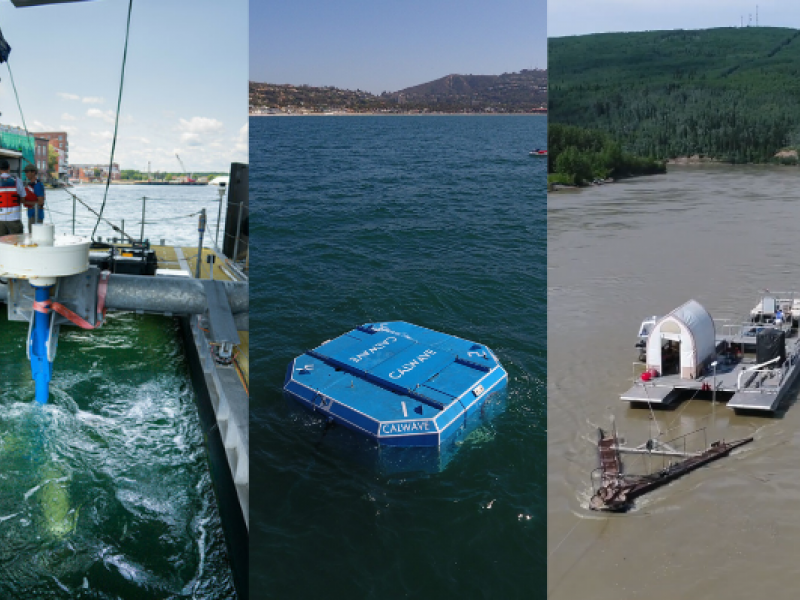
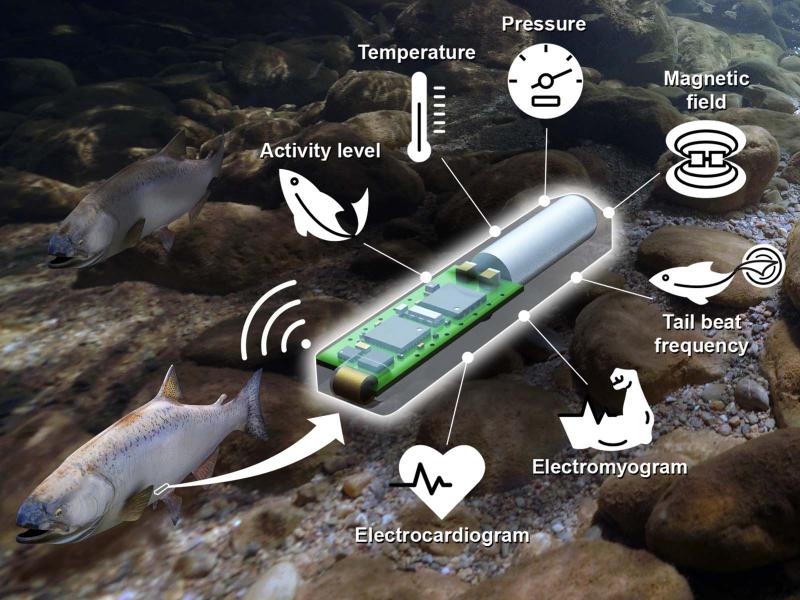
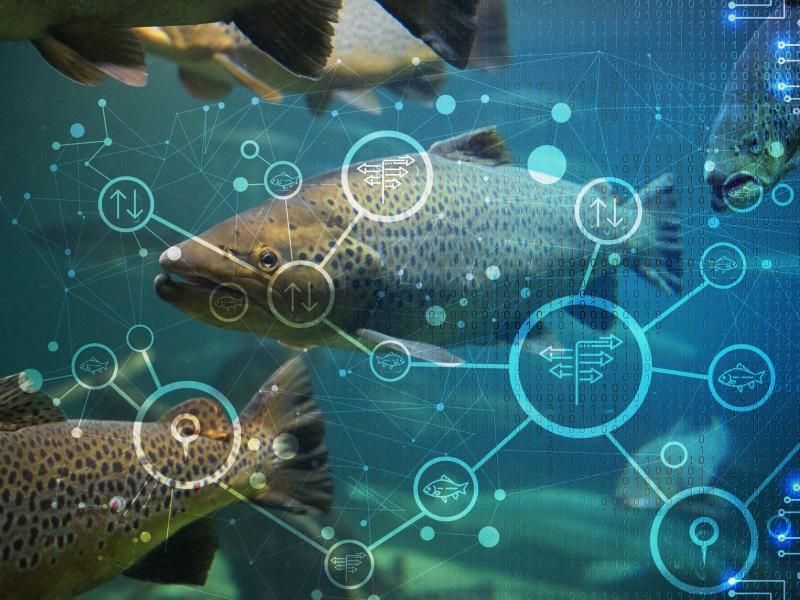
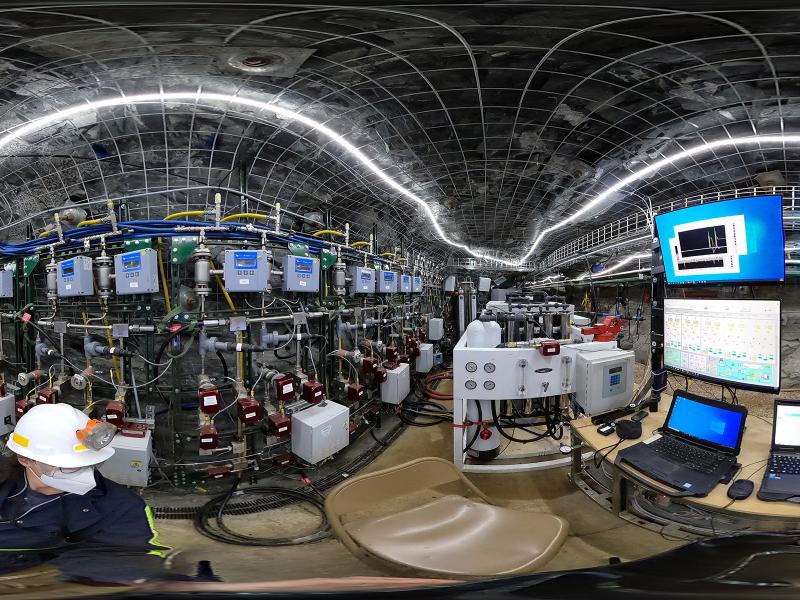
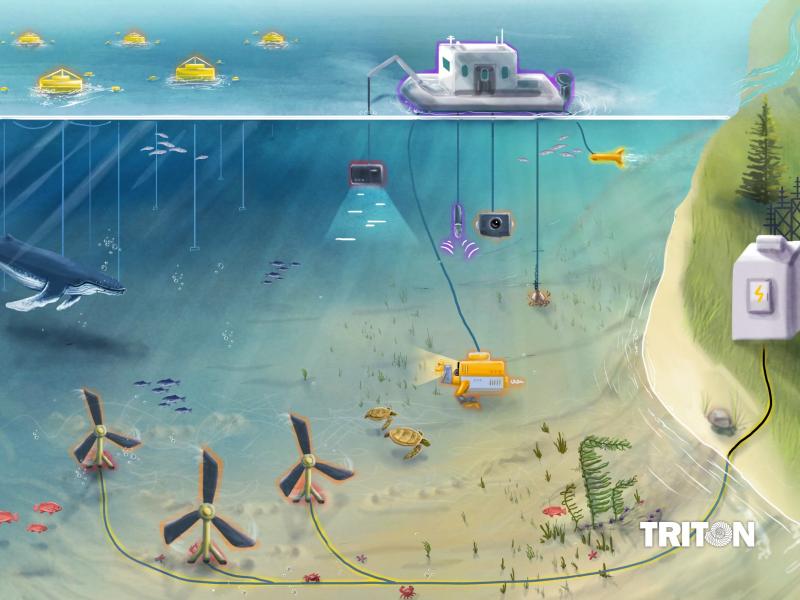
This Triton Story discusses the many types of marine energy devices and the Triton Field Trials environmental monitoring research around wave, tidal, and riverine energy devices.
Recognizing how innovation and clean technologies at the very edge of the grid can work together to transition the electricity system, PNNL takes a multidisciplinary approach to advancing and integrating renewable energy solutions.
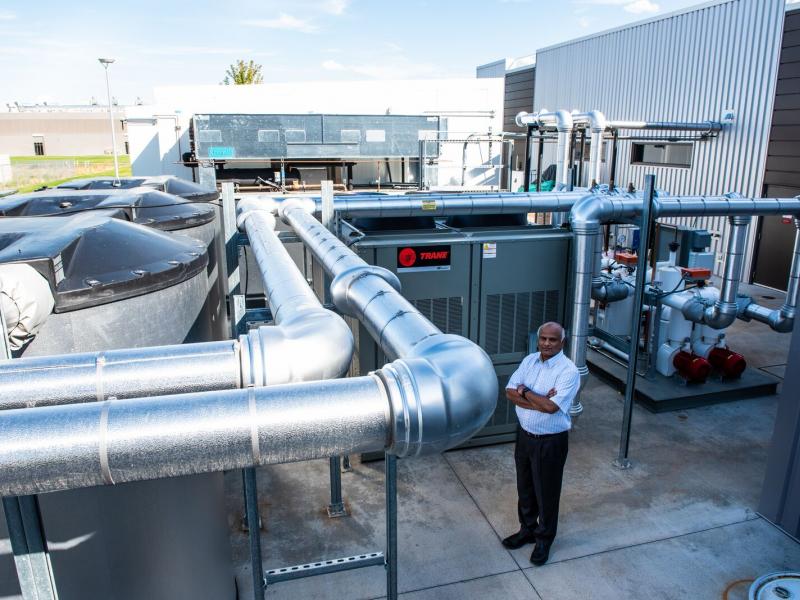
Four research staff from PNNL are part of an international team that earned top honors for a journal paper focused on a new algorithm-evaluation approach for buildings.
PNNL will provide technical resources and support to a national coalition of states and cities focused on implementing building performance standards to improve energy efficiency and reduce carbon emissions.
The Triton Initiative highlights different creative science communications, including photography, writing, and science art, and the impact they have on the project's marine energy research.
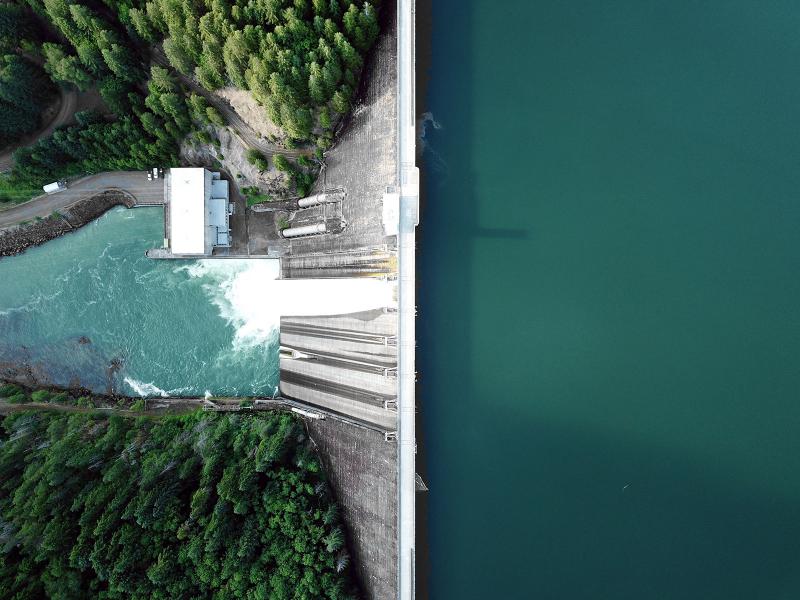
A new PNNL study quantifies hydropower's contribution to grid stability. When other power sources go out, hydropower can ramp up, recoup shortfalls, and stabilize the grid nearly instantaneously.
Two PNNL studies that describe the potential value of offshore wind off the Oregon Coast and distributed wind in Alaska were published in the journal Energies.