From developing new energy storage materials to revealing patterns of Earth’s complex systems, studies led by PNNL researchers are recognized for their innovation and influence.
The ability of a storm-resolving weather model to predict the growth of storms over central Argentina was evaluated with data from the Clouds, Aerosols, and Complex Terrain Interactions (CACTI) field campaign in central Argentina.
Researchers from PNNL and Parallel Works, Inc., applied machine learning methods to predict how much oxygen and nutrients are used by microorganisms in river sediments.
The rate of conversion of cloud droplets to precipitation, known as the autoconversion rate, remains a major source of uncertainty in characterizing aerosol’s cloud lifetime effects and precipitation in global and regional models.
To assess the impact of observation period and gauge location, model parameters were learned on scenarios using different chunks of streamflow observations.
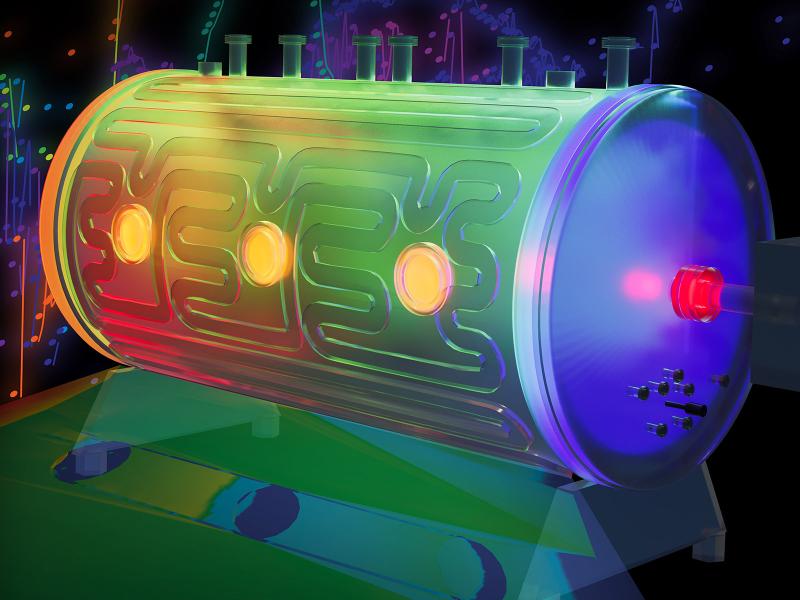
PNNL's E-COMP initiative is helping unleash American energy innovation with advanced theories, models, and software tools to better operate power systems that rely heavily on high-speed power electronic control.
This study presents an automated method to detect and classify open- and closed-cell mesoscale cellular convection (MCC) using long-term ground-based radar observations.
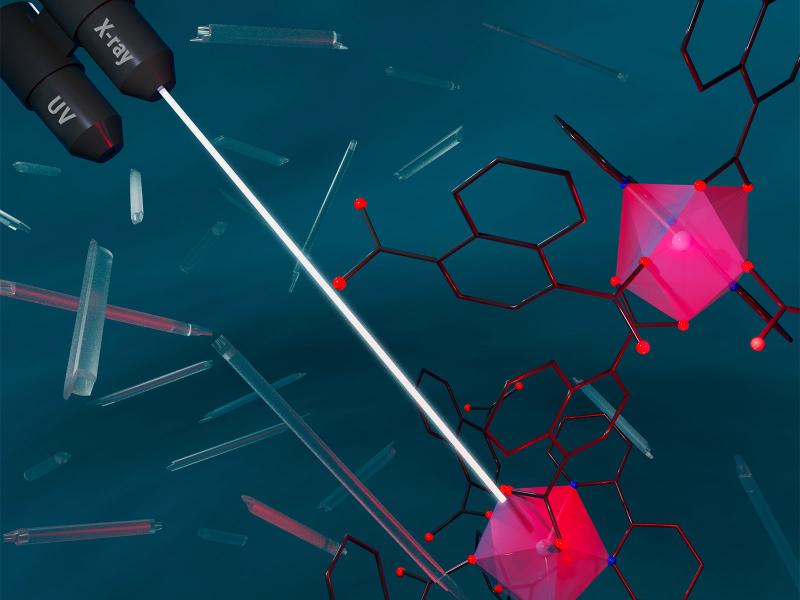
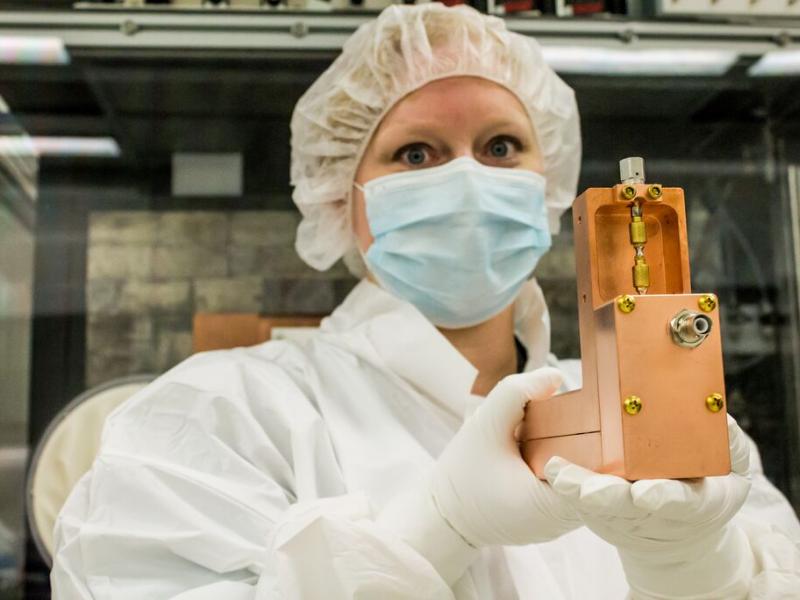
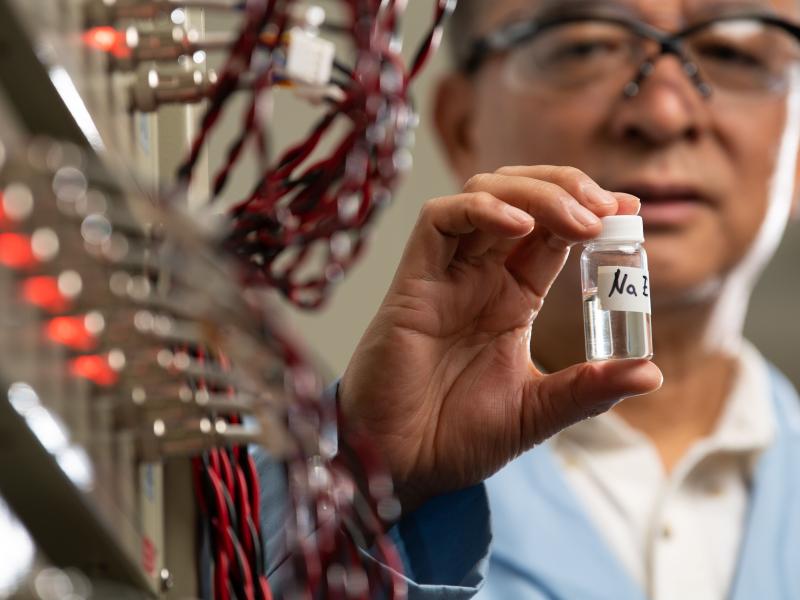
Making it on CrystEngComm’s HOT list, the article, “Designing scintillating coordination polymers using a dual-ligand synthetic approach,” highlights research on existing materials that are non-traditional scintillators.
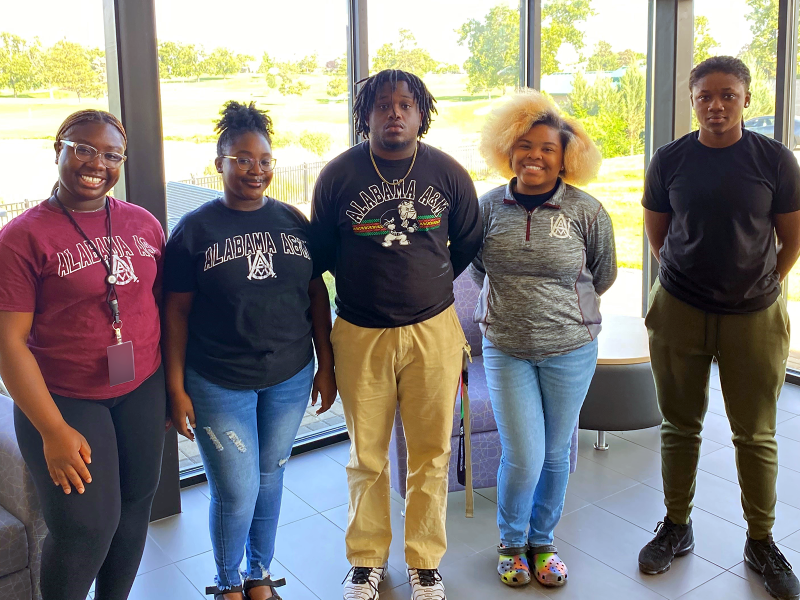
Germany Harris, Dewayne Maye, Sarah Olocha, Shaniya Pettway, and Rayonna Redmon became the first interns of the Minority Serving Institution Partnership Program Partnership for Radiation Studies Consortium at PNNL.
Katalenich was selected to attend the Grainger Foundation Frontiers of Engineering 2023 Symposium—an honor given to only 100 early-career engineers annually.
Physicist Emily Mace will share her science journey and an interactive presentation about her current research with middle school and high school students from across the country at the National Science Bowl.
Advancing the science of radiation, especially among students at minority-serving institutions, is the goal of one of the Department of Energy’s newest consortia.