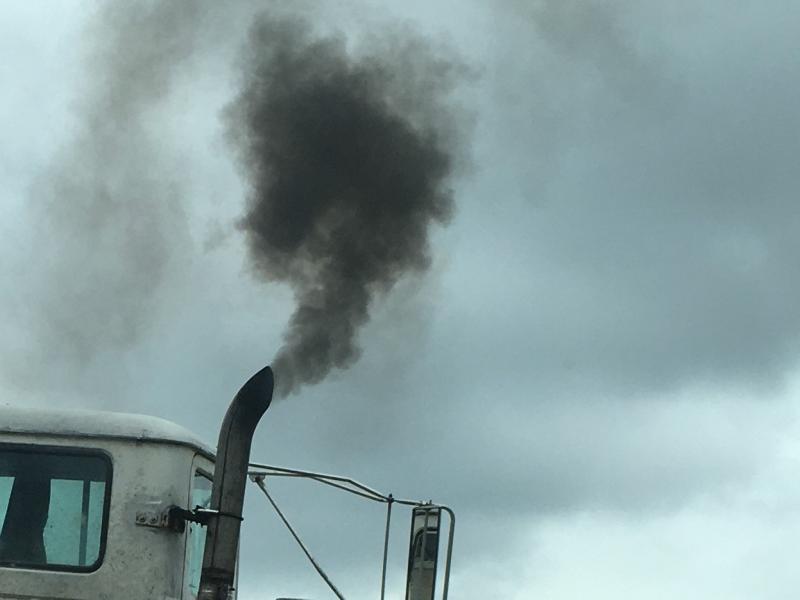
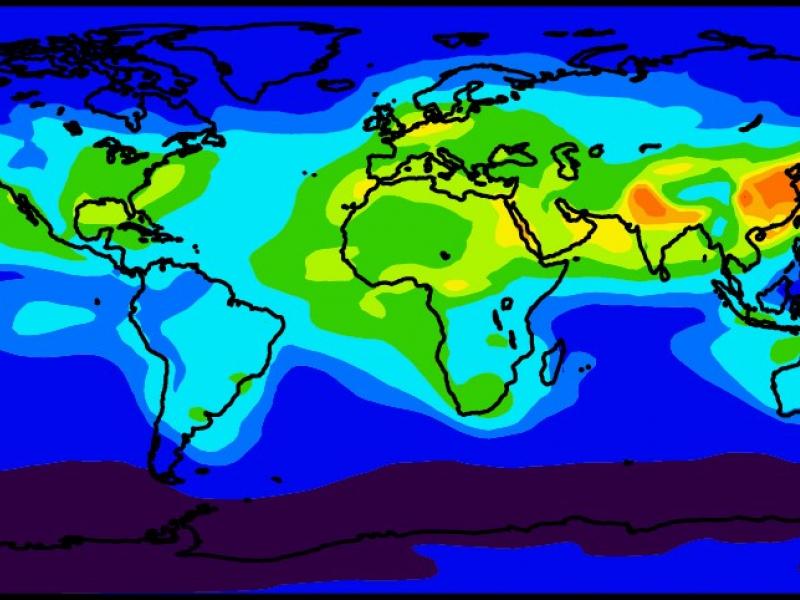
The most polluted U.S. communities from five years ago are still the most polluted today, 50 years after passage of the Clean Air Act amendments of 1970.
PNNL computational scientist Diana Bacon’s role as carbon storage associate editor uses her expertise in subsurface modeling and quantitative risk assessment.
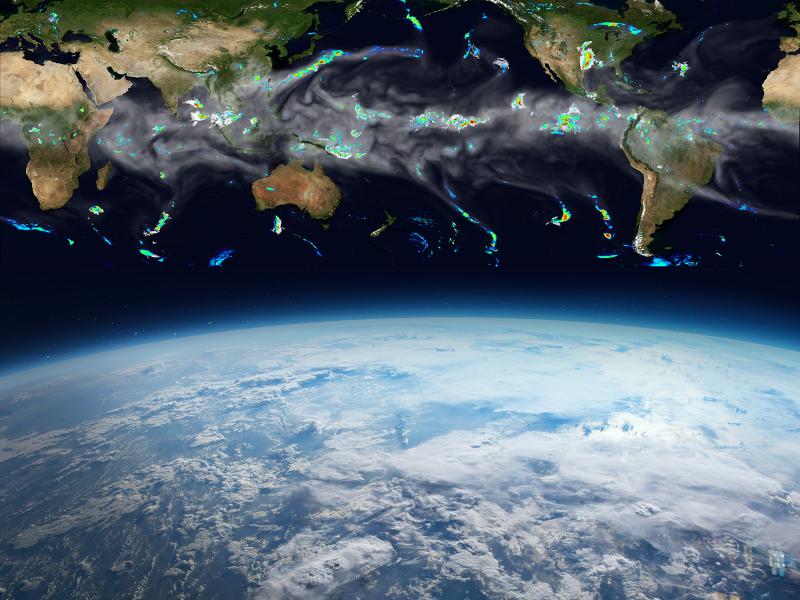
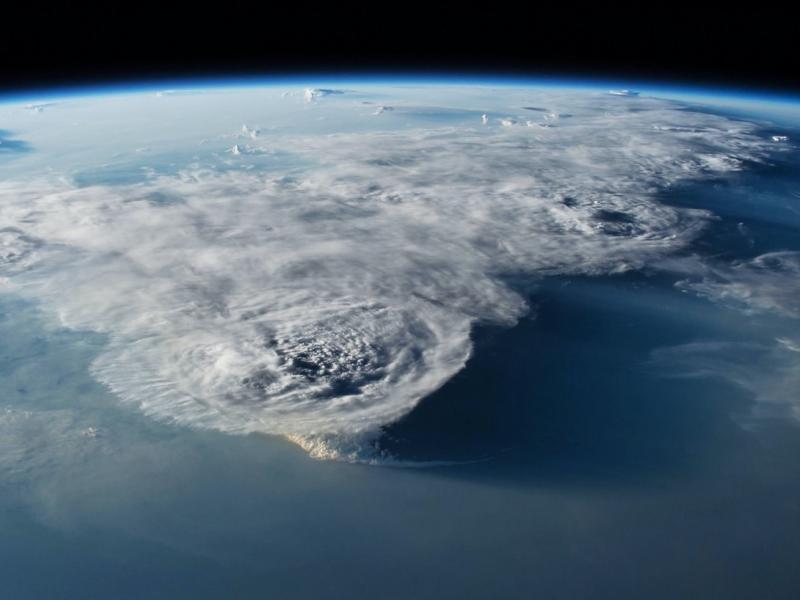
A high-resolution dataset captures a more complete view of the global distribution and characteristics of strong storms called mesoscale convective systems.
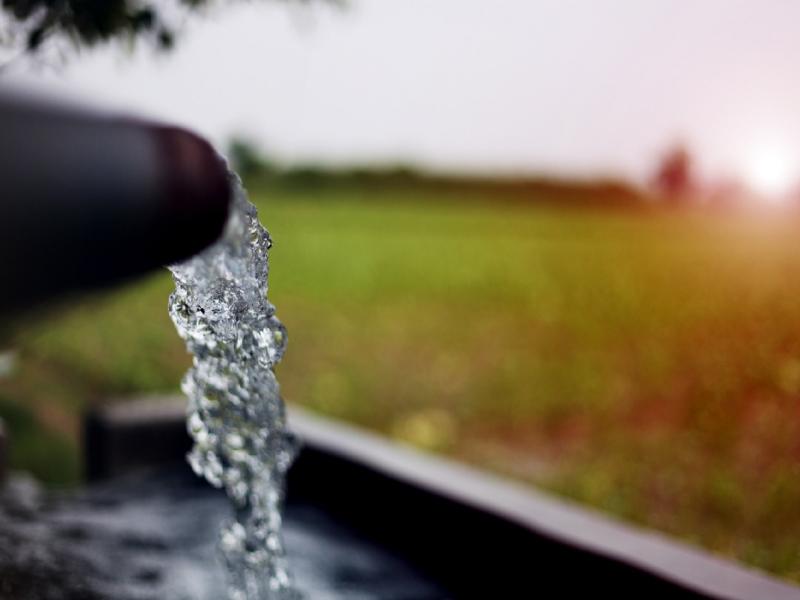
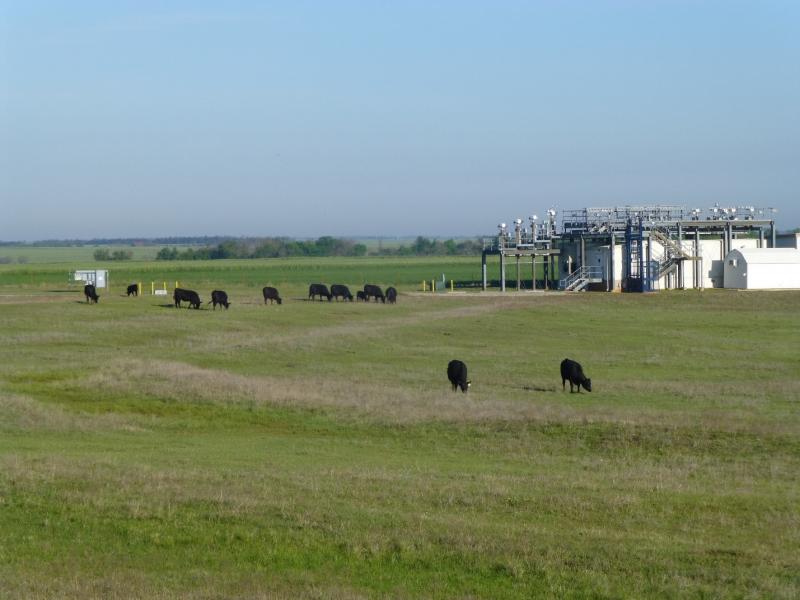
PNNL provided ultra-low measurements of argon-39 to date groundwater as part of a collaborative study of the aquifer in California’s San Joaquin Valley. PNNL is one of only a few laboratories worldwide with this capability.
A research project that brings together mathematicians and atmospheric scientists has developed into a deep collaboration for improving atmospheric models.
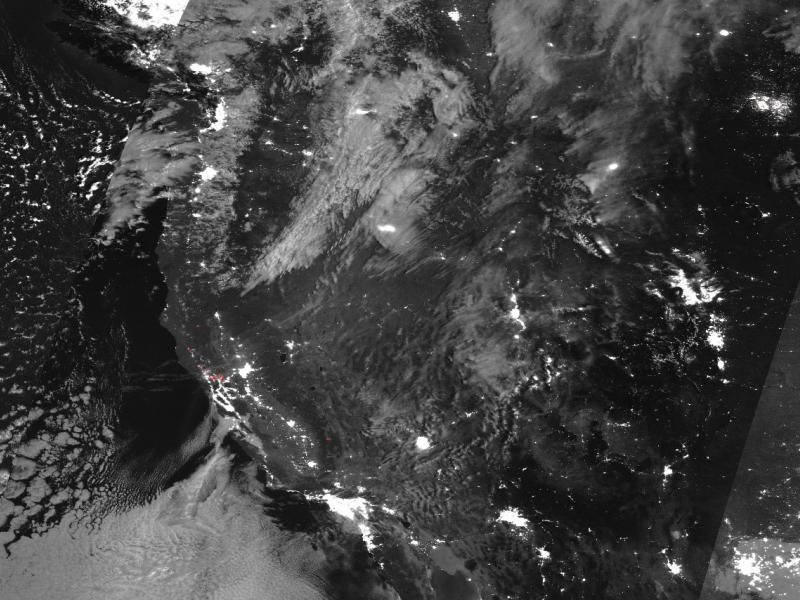
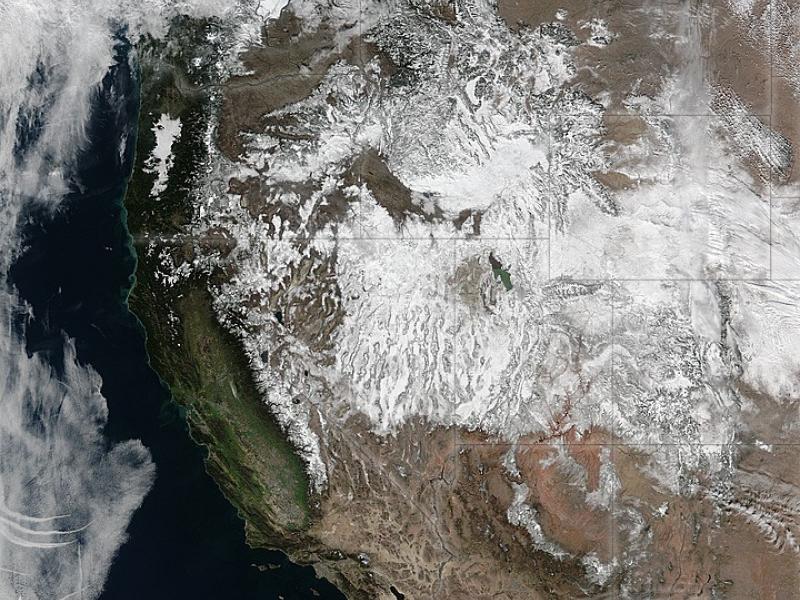
Researchers found that warmer local sea surfaces increase the winter snowpack in the Sierra Nevada mountains, but reduce snowpack in the Cascade range.