Investigating the soil moisture–precipitation feedbacks that are associated with mesoscale convective system and non-mesoscale convective system rainfall.
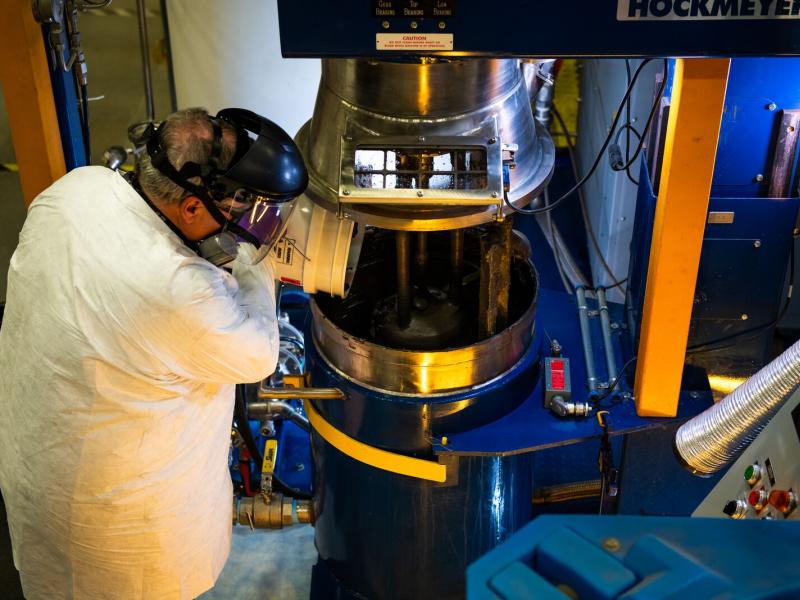
A PNNL study has shown the nation’s wastewater resource recovery facilities could generate revenue by converting sludge into biofuel—while significantly reducing disposal costs—using an in-house-developed technology.
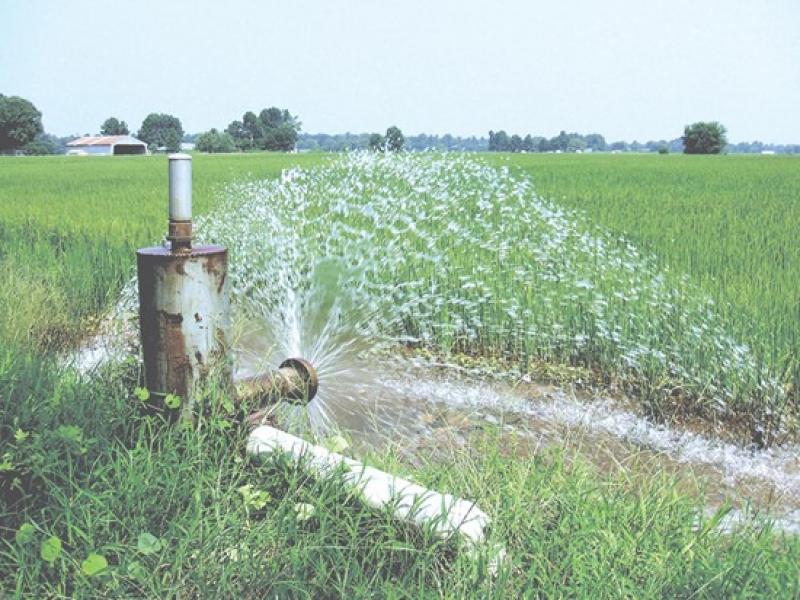
Researchers found that increasing restrictions on nonrenewable groundwater use for irrigation shifts agricultural production from western states to the east.
PNNL has published a workshop report that outlines recommended actions to bring sustainable aviation fuel to the airline industry, using a PNNL-developed technology.
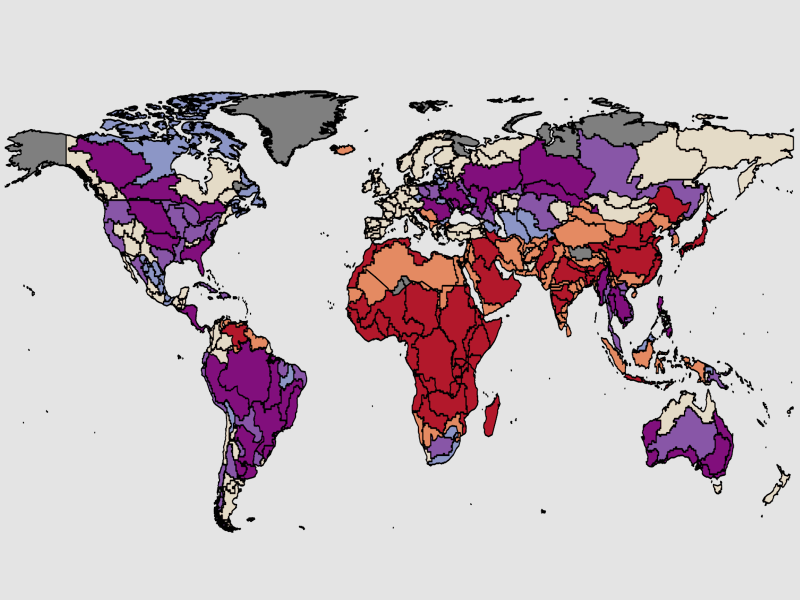
Developing a new approach for defining energy-water-agriculture linkages highlights U.S. regions where focusing on individual sectors may miss cross-sectoral impacts.
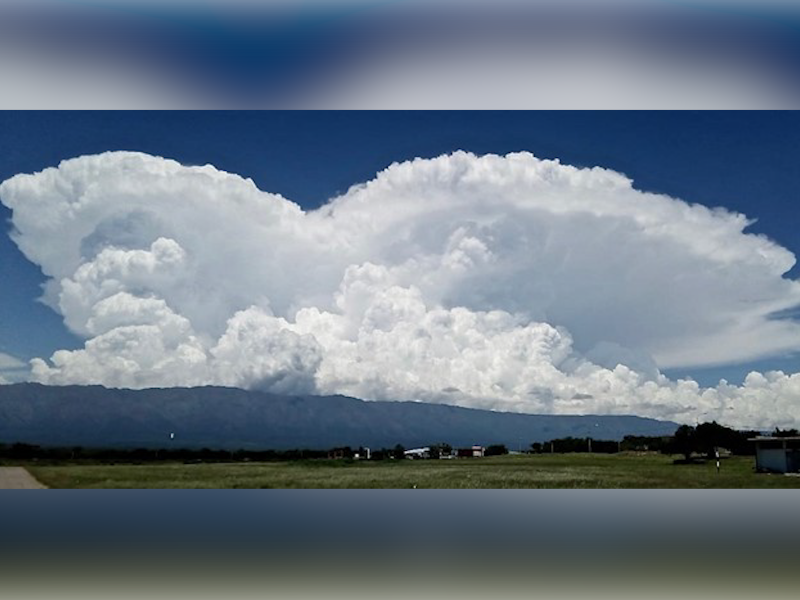
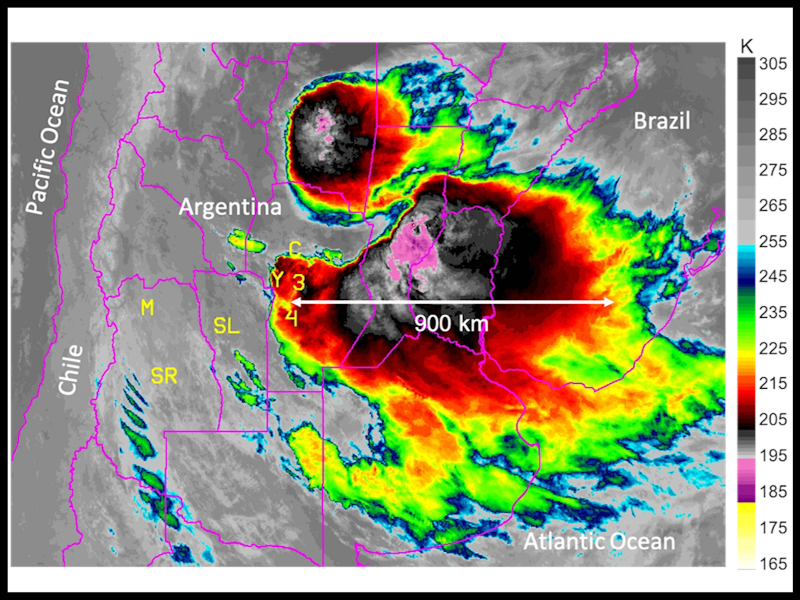
Simulations accurately predicted storm cloud shield timing and growth, but not rain intensities, for over 300 tracked storm complexes in a storm-generating hotspot in Argentina.
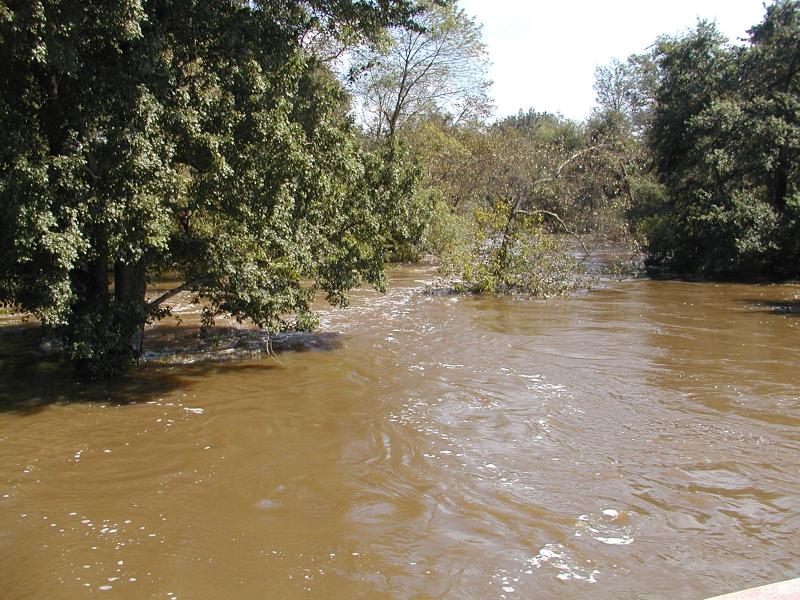
Incorporating green infrastructure into flood protection plans alongside gray infrastructure can shield communities, reduce maintenance, and provide additional social and environmental benefits.