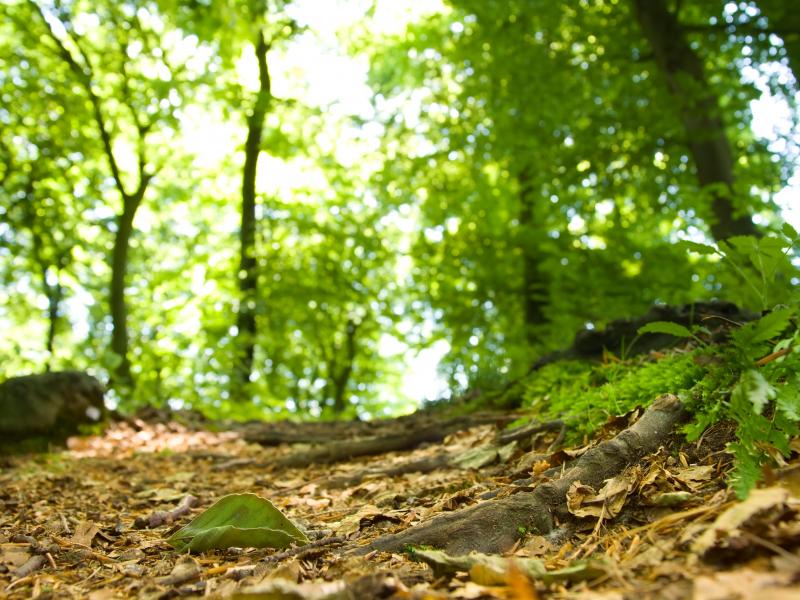
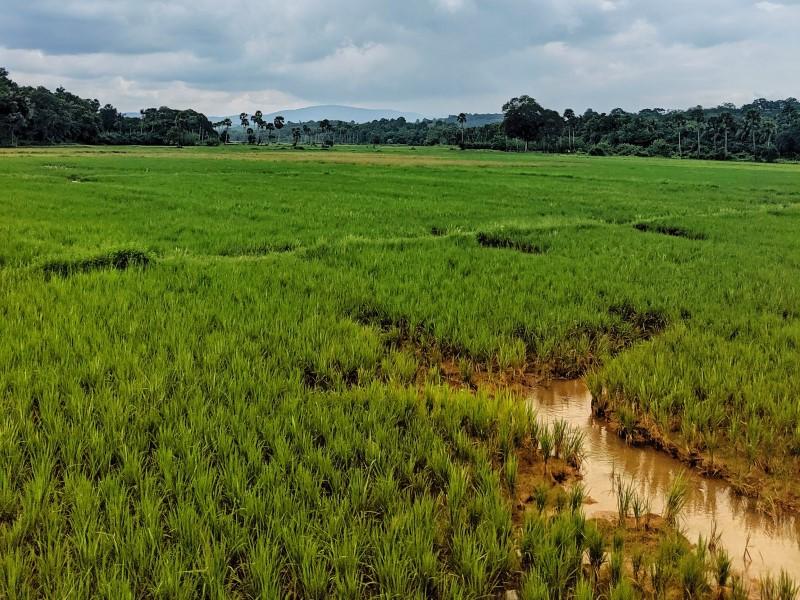
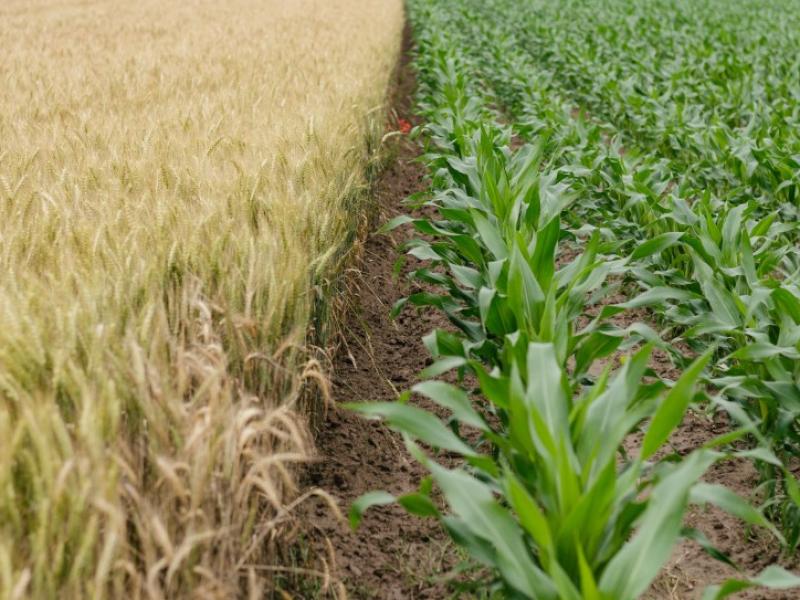
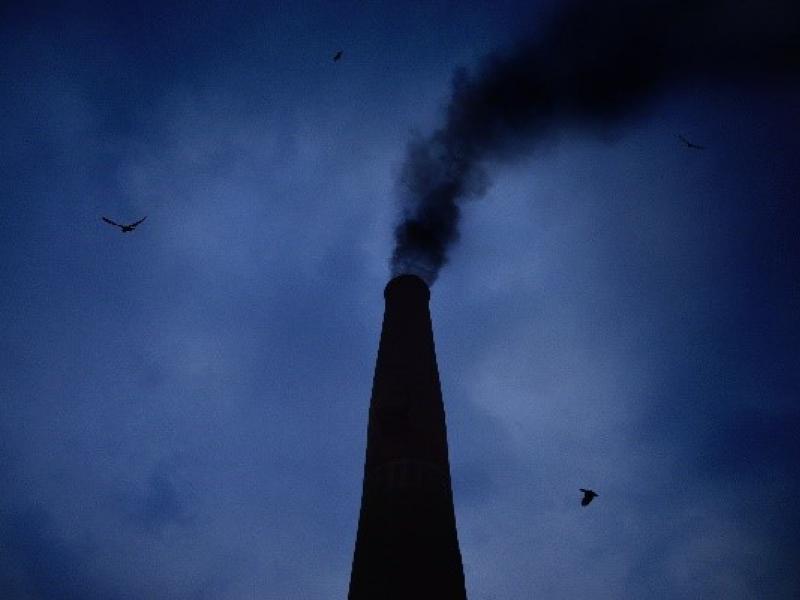
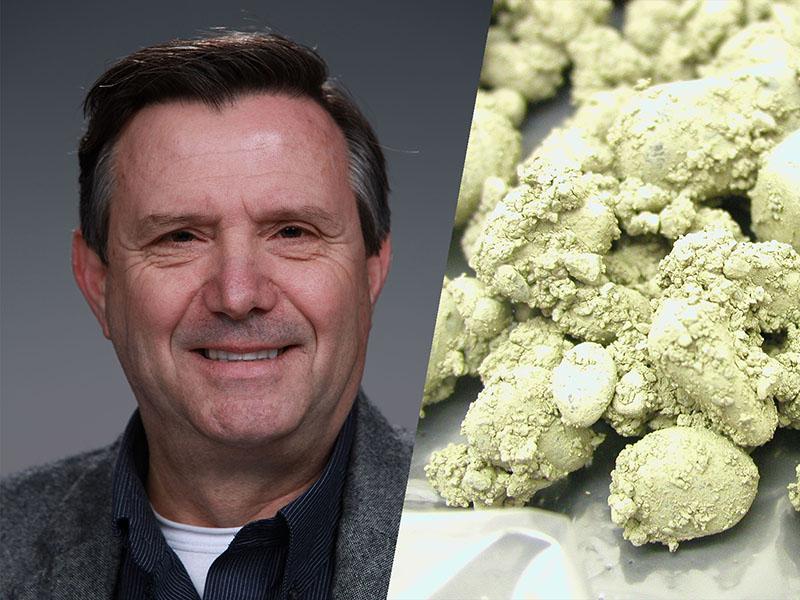
Despite a breadth of research on carbon accrual and persistence in soils, scientist lack a strong, general understanding of the mechanisms through which soil organic carbon (SOC) is destabilized in soils. In a new review article, researcher
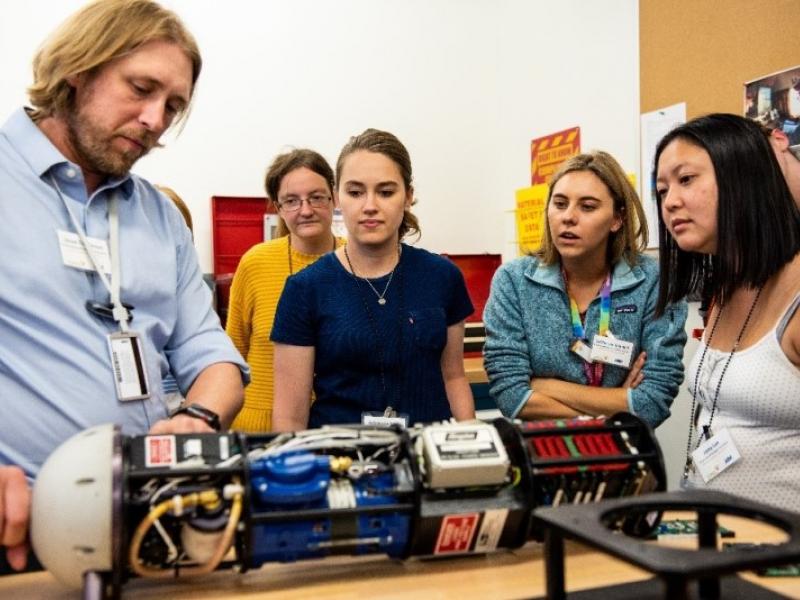
PNNL helped teach the next generation of principal investigators about aerosols—tiny atmospheric particles that can affect the Earth’s climate—during the 2019 Aerosol Summer School.
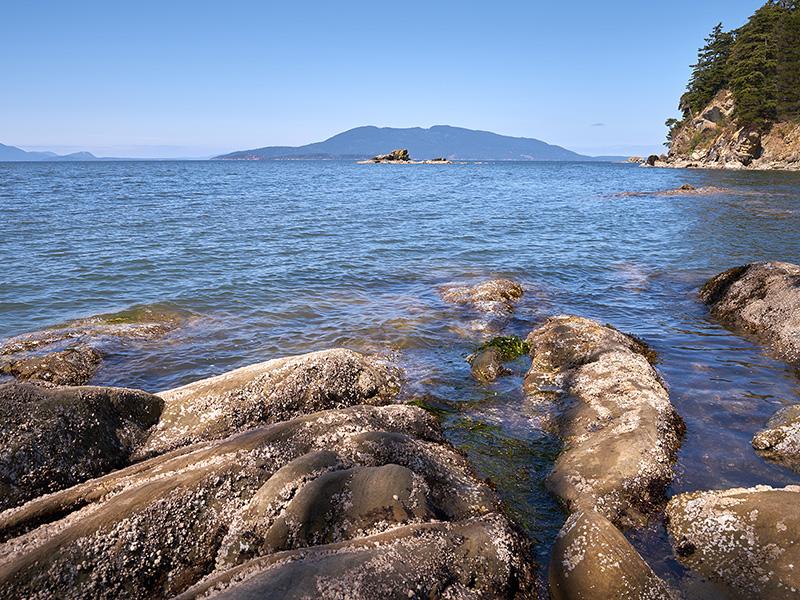
The inner Salish Sea’s future response to climate change, while significant, is predicted to be less severe than that of the open ocean based on parameters like algal blooms, ocean acidification, and annual occurrences of hypoxia.
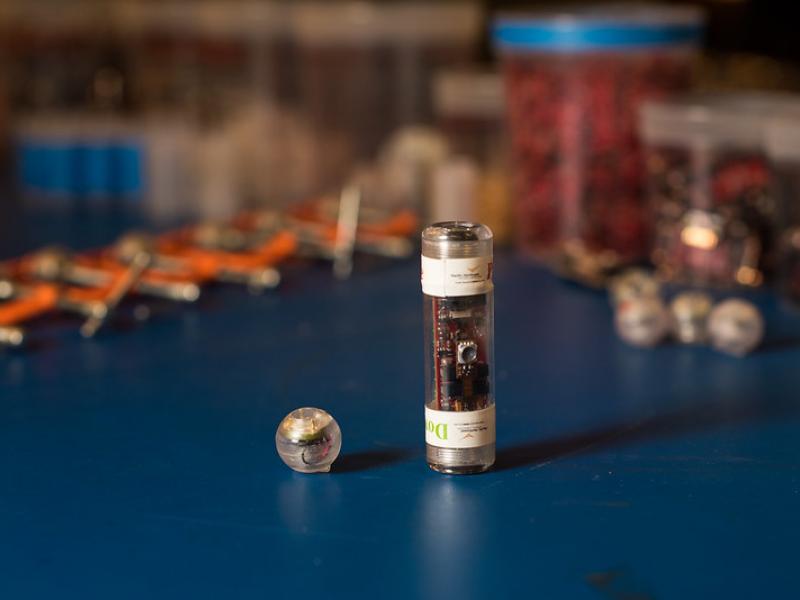
PNNL’s autonomous fish body double, Sensor Fish, and the miniature version, Sensor Fish Mini, were used to evaluate a special screen. Researchers found the screen provides safe downstream passage for fish at irrigation structures.
Alicia Gorton, marine scientist and project manager in the PNNL’s Coastal Sciences Division, has joined the editorial board of the Marine Technology Society Journal.
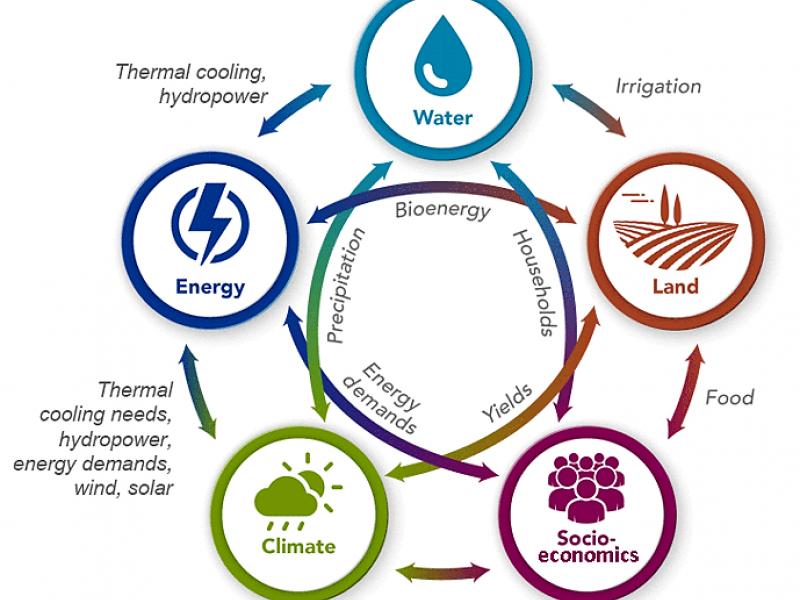
A new data system—gcamdata—with its robust, clear, and easy-to-use application, was developed to be applied to a variety of Global Change Assessment Model scenarios.
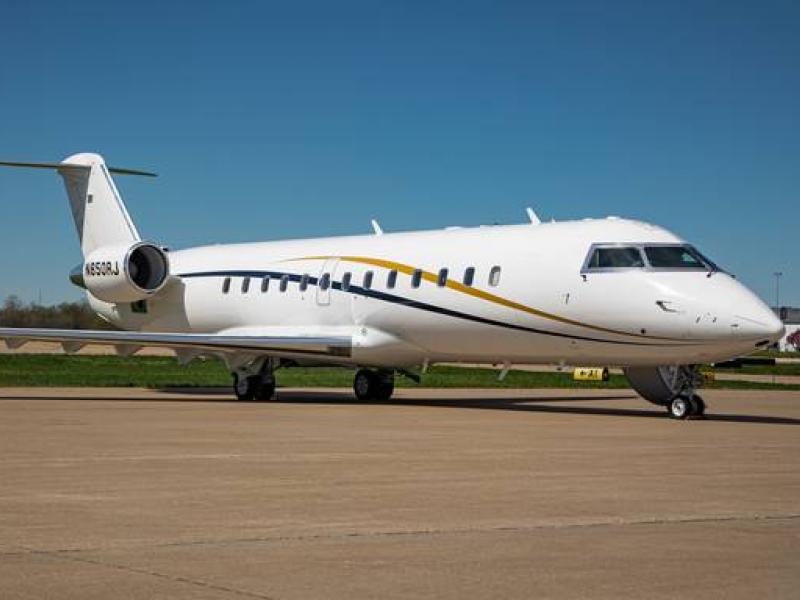
After 10 years, a specialized research aircraft operated by PNNL for the DOE completed is final campaign. PNNL staff are leading efforts to instrument a new plane for future research.
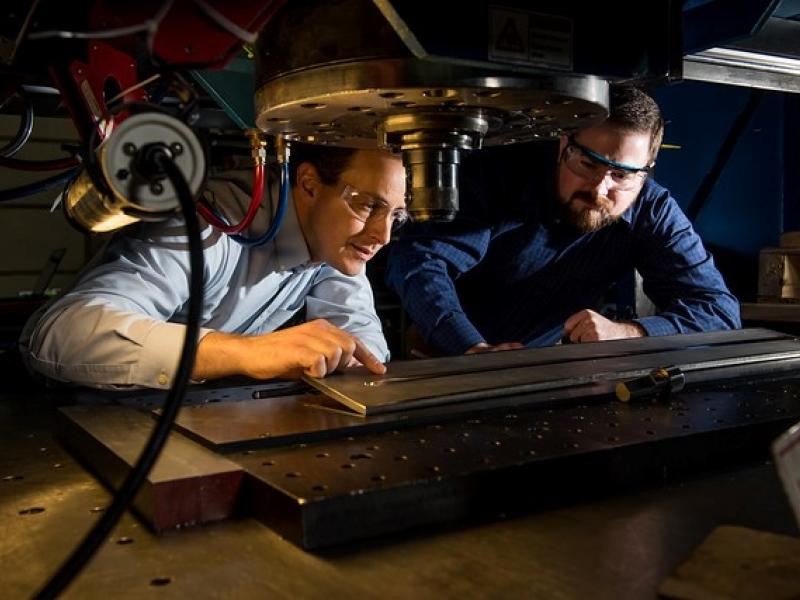
A PNNL study that evaluated the use of friction stir technology on stainless steel has shown that the steel resists erosion more than three times that of its unprocessed counterpart.
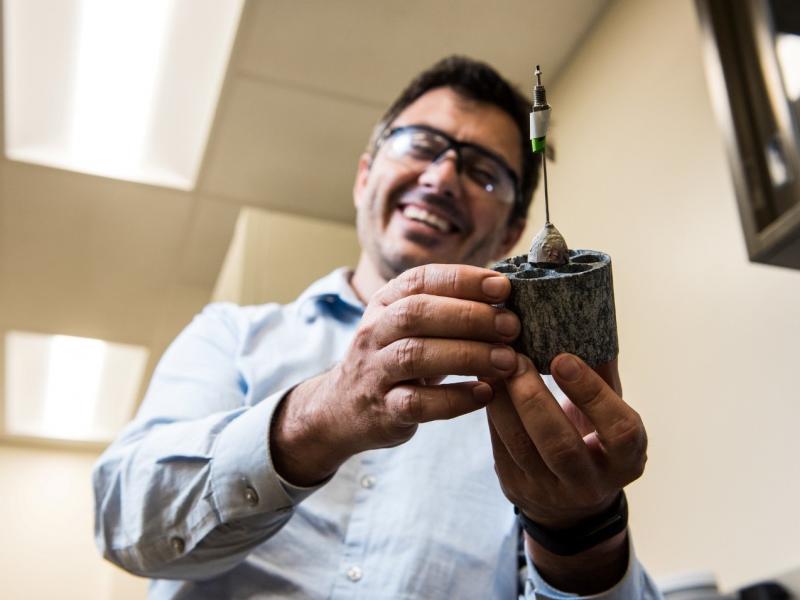
The Soil Science Society of America presents Nik Qafoku with the 2019 Jackson Award for contributions in soil chemistry and mineralogy—ranging from agricultural fertilizer efficiency in Albania to soil contaminant transport at Hanford.
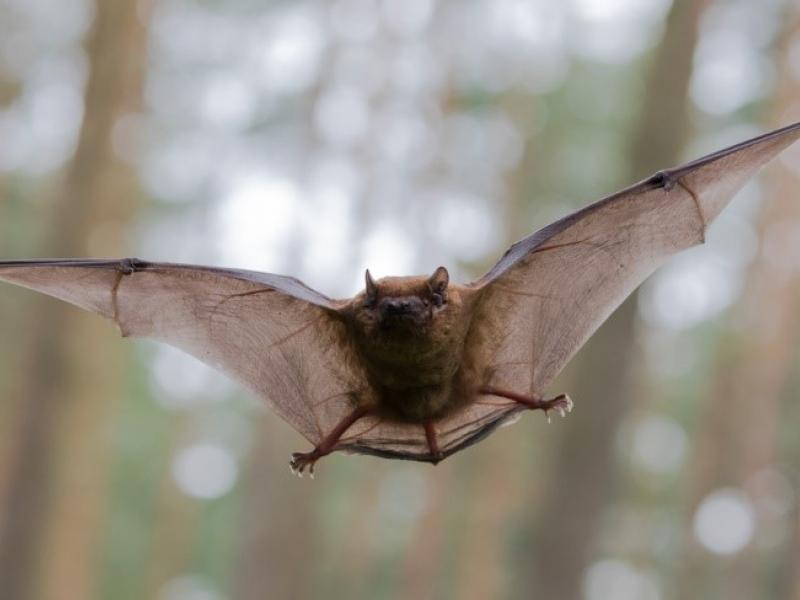
PNNL researchers are developing and evaluating bat tagging and tracking tools that will help design solutions to protect the bat population from wind turbines.
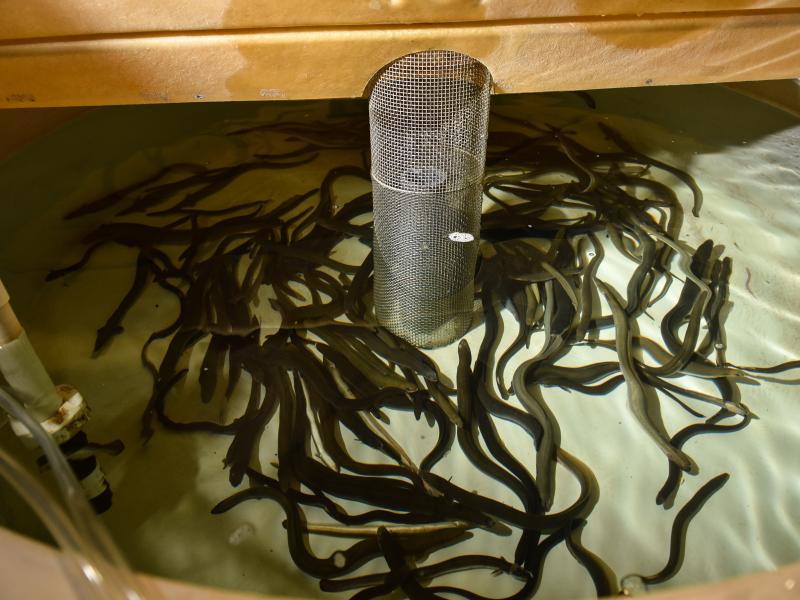
Three PNNL fish researchers recently published a video journal article on how to properly implant miniature acoustic tags in juvenile Pacific lamprey and American eel and how the tags could benefit migration.
During his doctorate work in southeastern Australia, PNNL fisheries engineer Brett Pflugrath examined weirs, or small dams built across rivers, and how they impact fish passage.