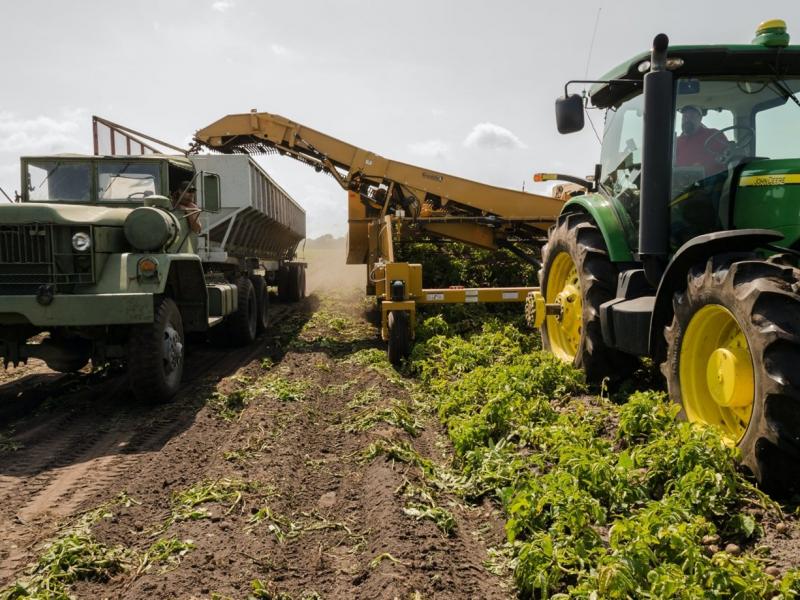
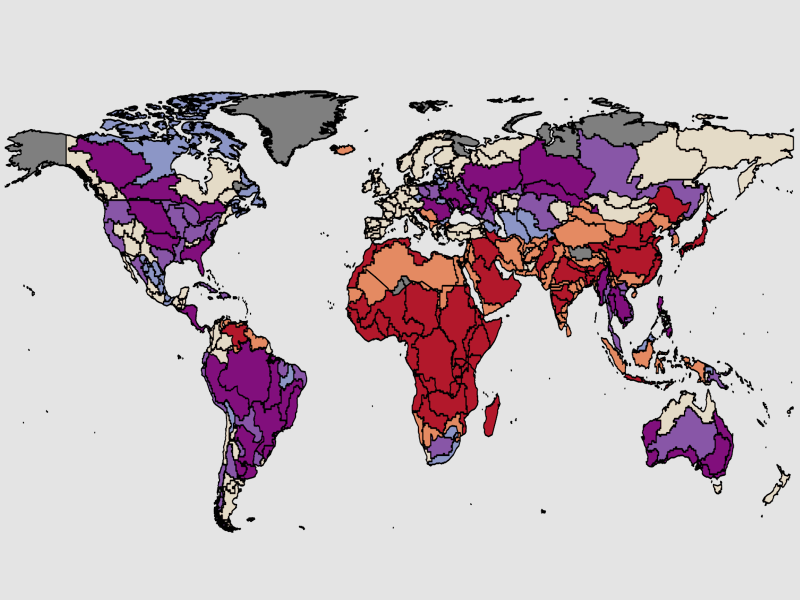
Developing a new approach for defining energy-water-agriculture linkages highlights U.S. regions where focusing on individual sectors may miss cross-sectoral impacts.
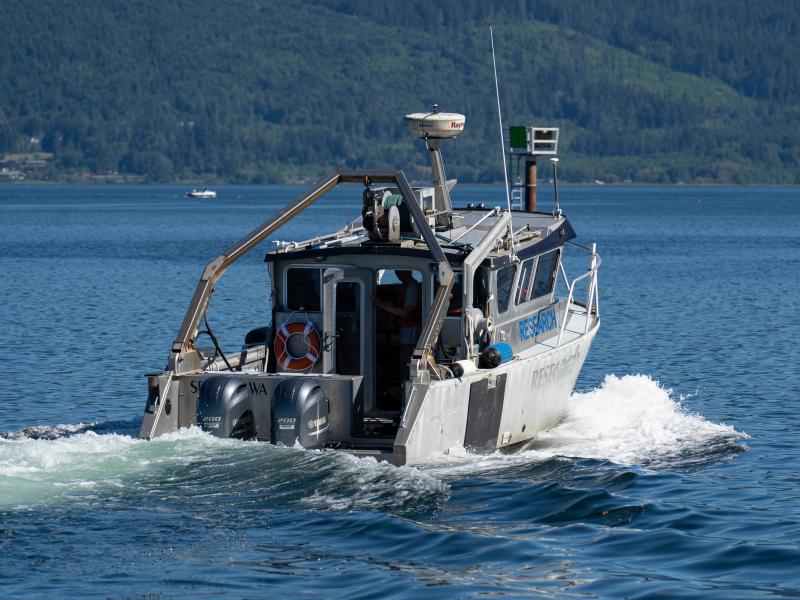
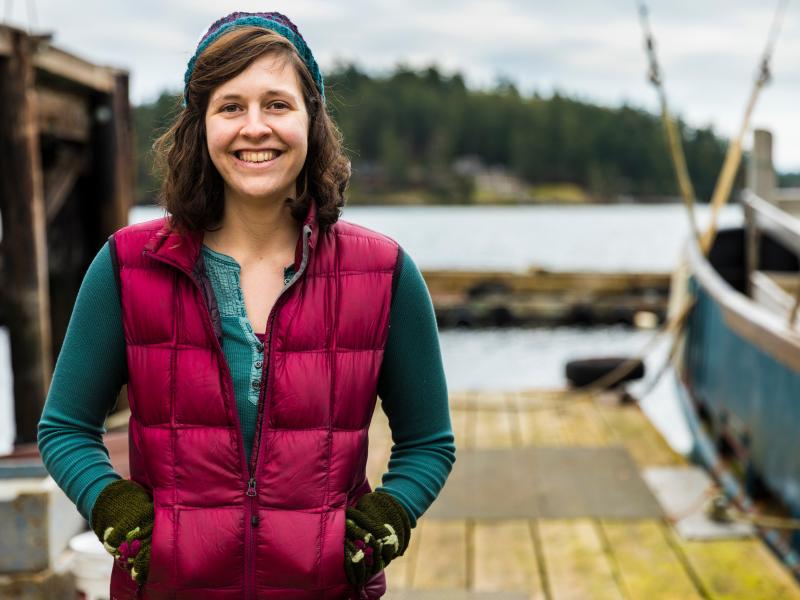
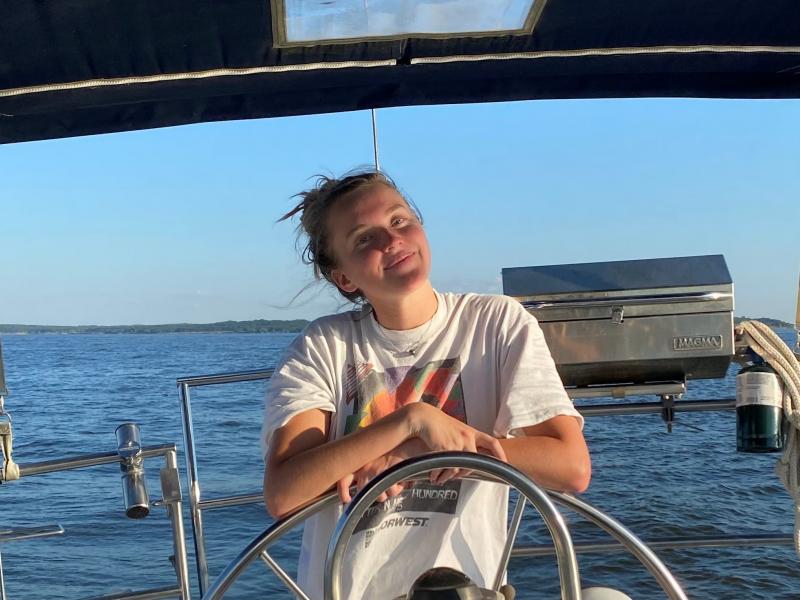
Molly Grear, an ocean engineer in the Coastal Sciences Division at PNNL, recently helped middle school summer science camp students from Blatchley Middle School in Sitka, Alaska, design their own energy wave converters.
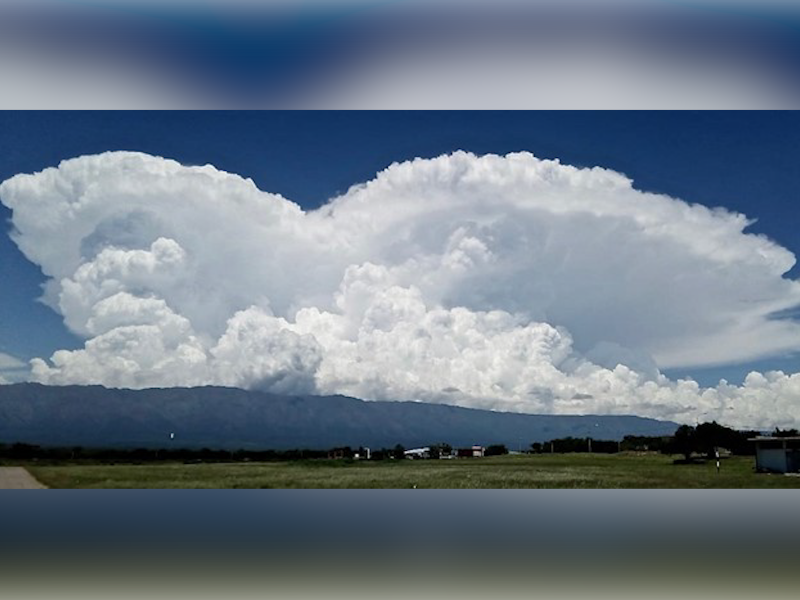
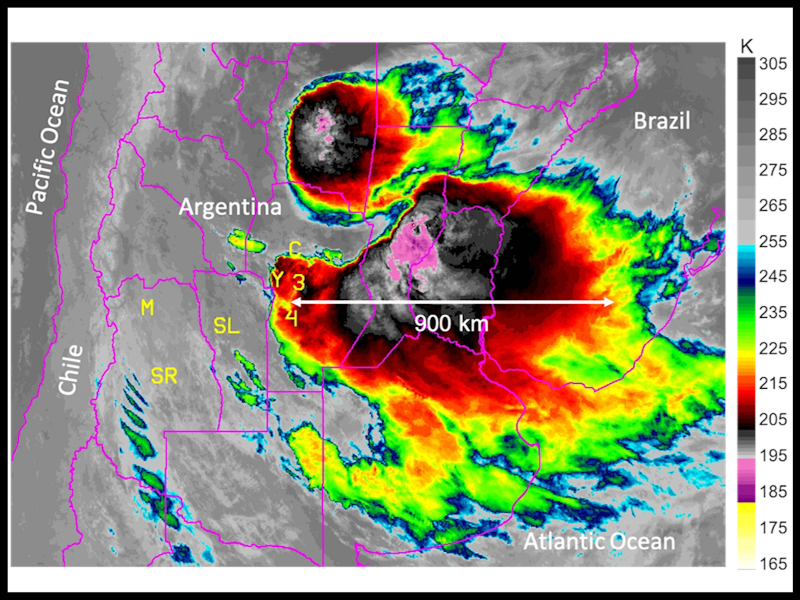
Simulations accurately predicted storm cloud shield timing and growth, but not rain intensities, for over 300 tracked storm complexes in a storm-generating hotspot in Argentina.
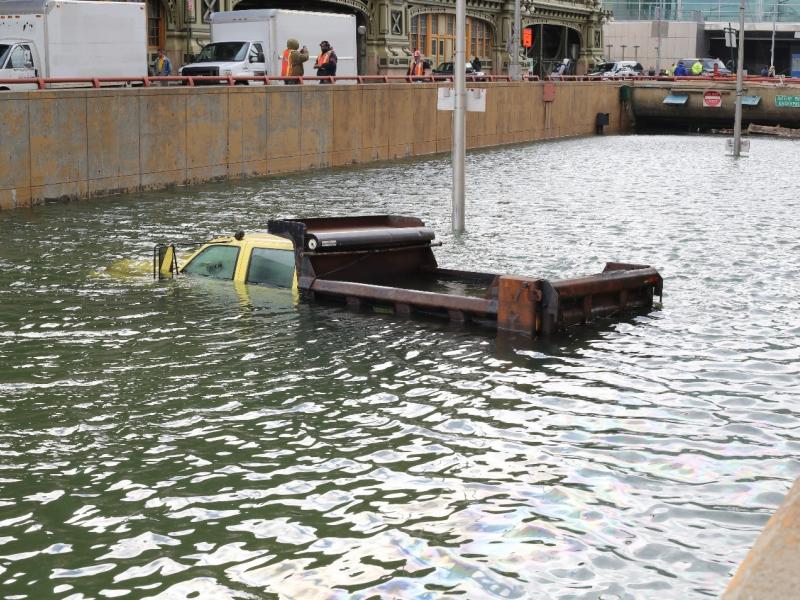
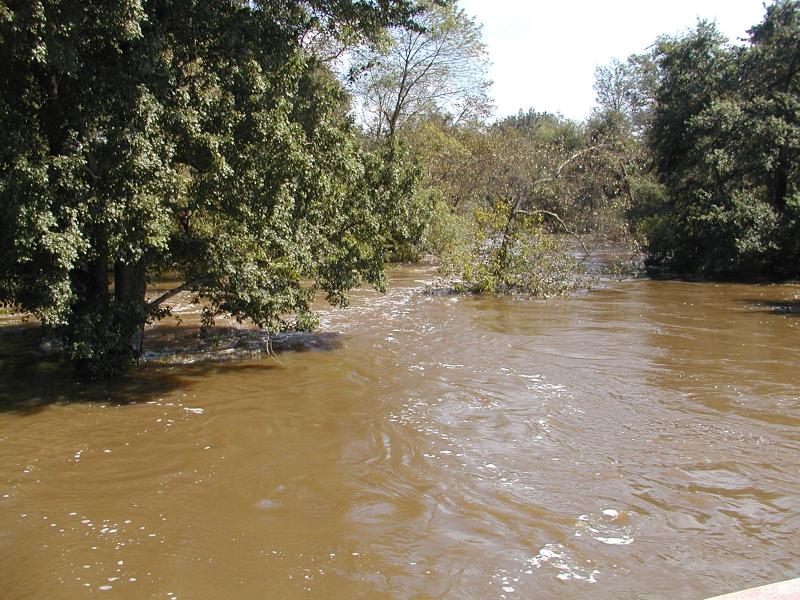
Incorporating green infrastructure into flood protection plans alongside gray infrastructure can shield communities, reduce maintenance, and provide additional social and environmental benefits.
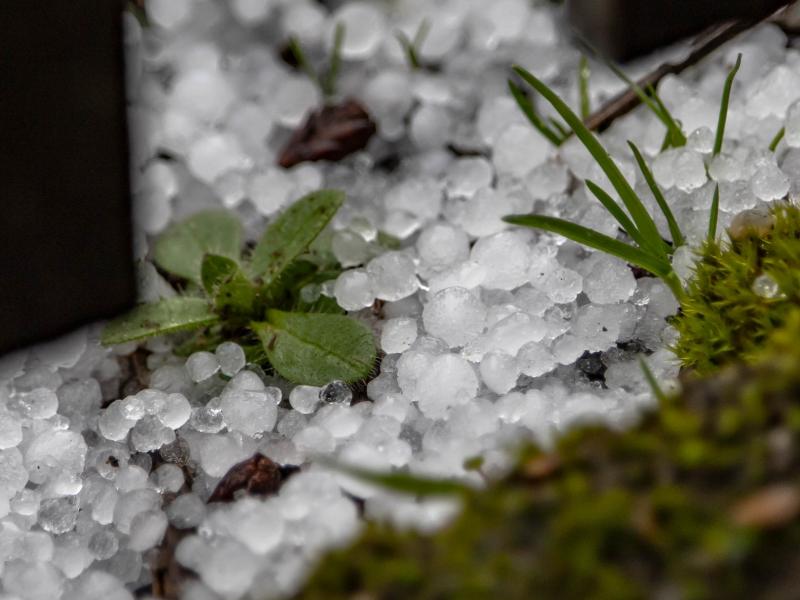
Four factors, the El Niño-Southern Oscillation, North Atlantic subtropical high, low-level jet, and water vapor transport from Gulf of Mexico, primarily influence hail occurrence in the Northern Great Plains
Leung was honored for pioneering approaches in climate modeling, discovering unexpected impacts of regional climate change, and understanding extreme weather events and their future changes.
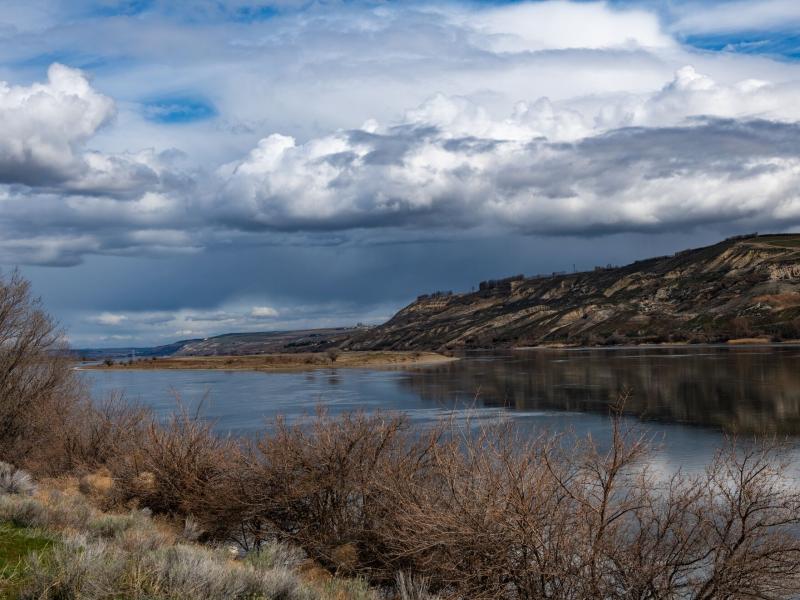
Integrating hydrogeology and biogeochemistry are required to model the dynamics of geochemical processes occurring in river corridor zones where groundwater and surface water mix.