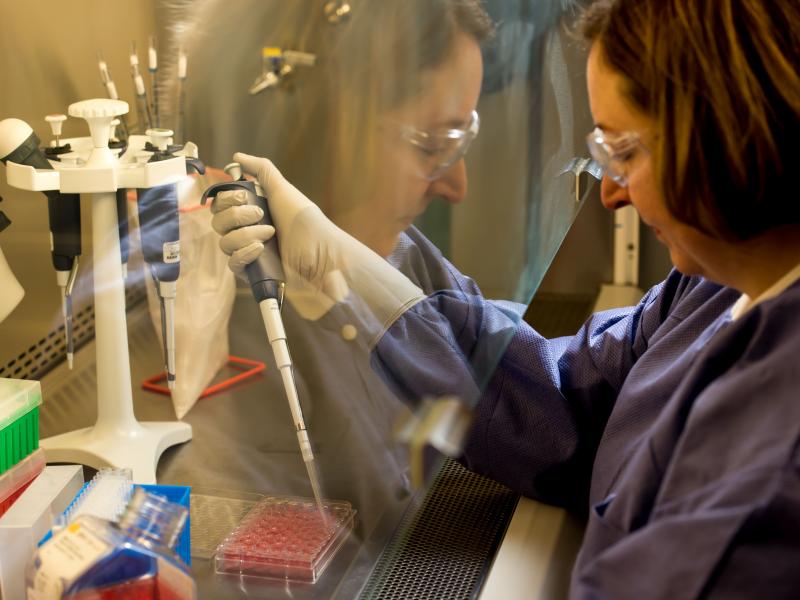
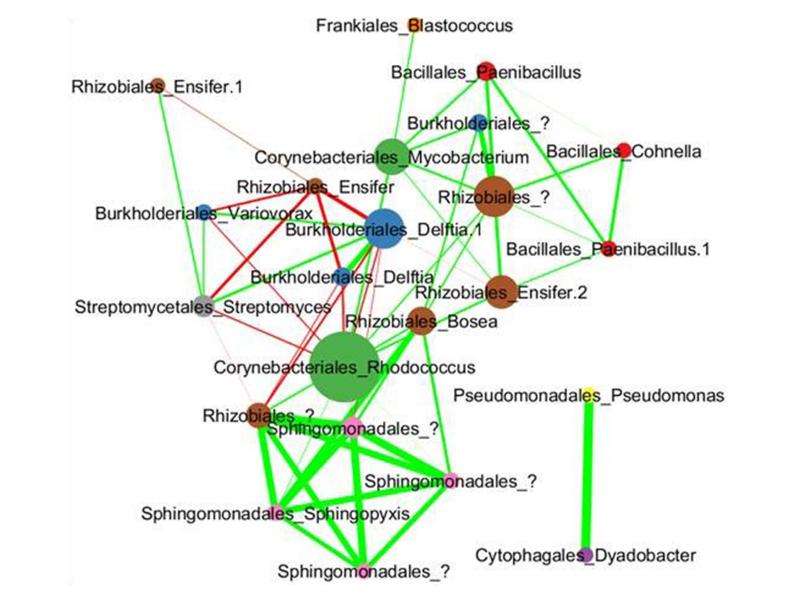
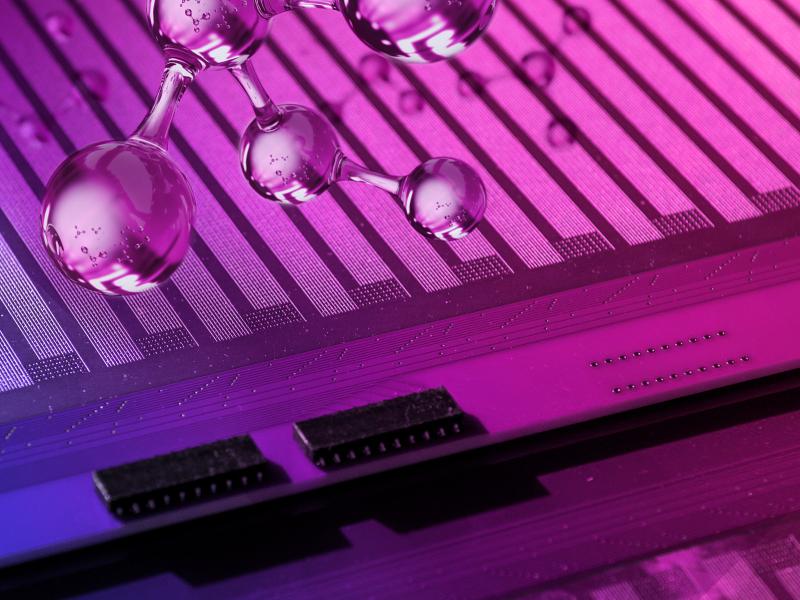
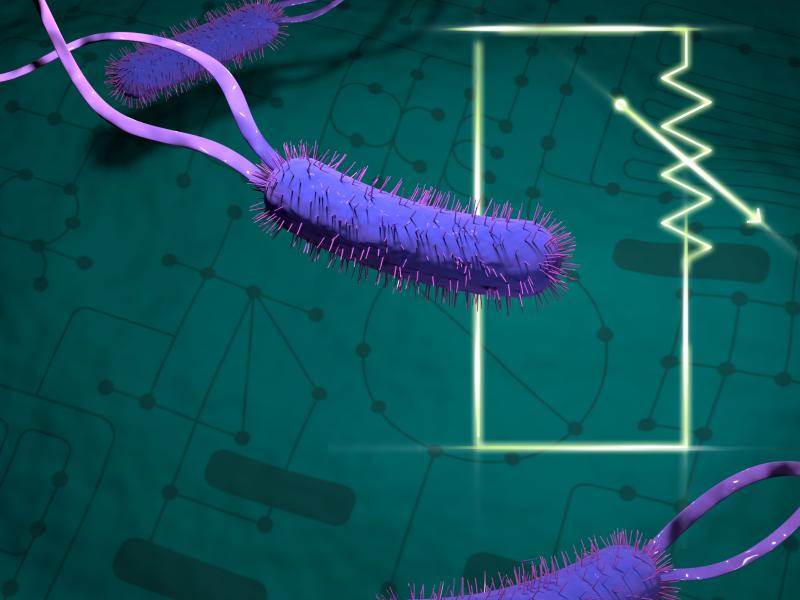
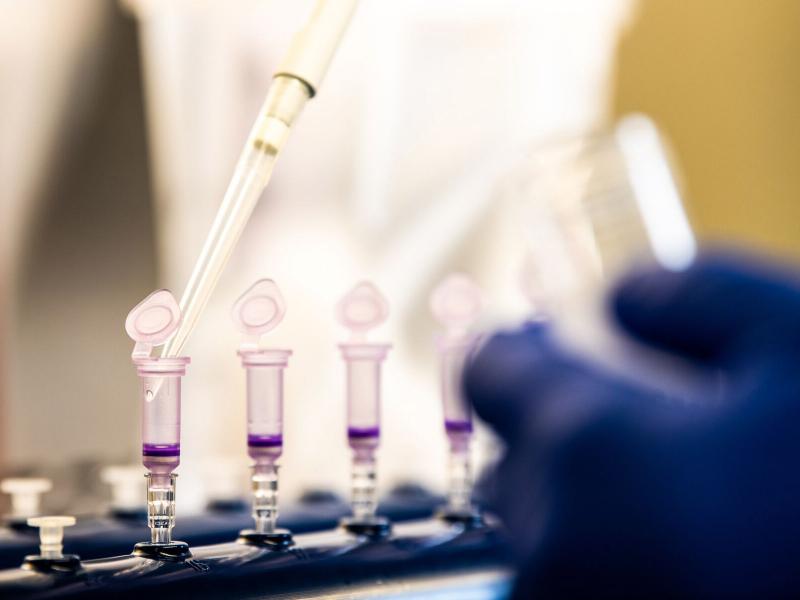
Researchers at PNNL have developed a bacteria testing system called OmniScreen that combines biological and synthetic chemistry with machine learning to hunt down pathogens before they strike.
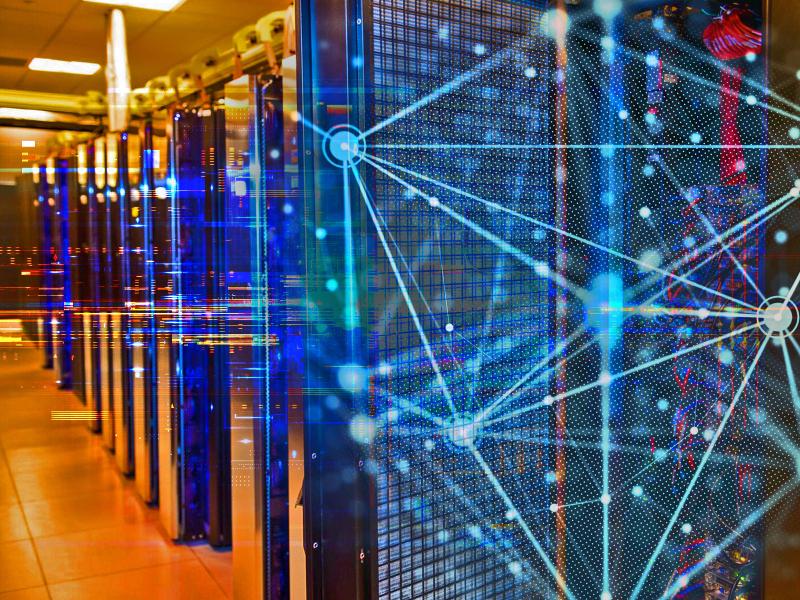
PNNL’s new Smart Power Grid Simulator, or Smart-PGSim, combines high-performance computing and artificial intelligence to optimize power grid simulations without sacrificing accuracy.
In a new video series, PNNL is highlighting six scientific and technical experts in the national security domain throughout the fall. Each was promoted to scientist and engineer level 5 earlier this year.
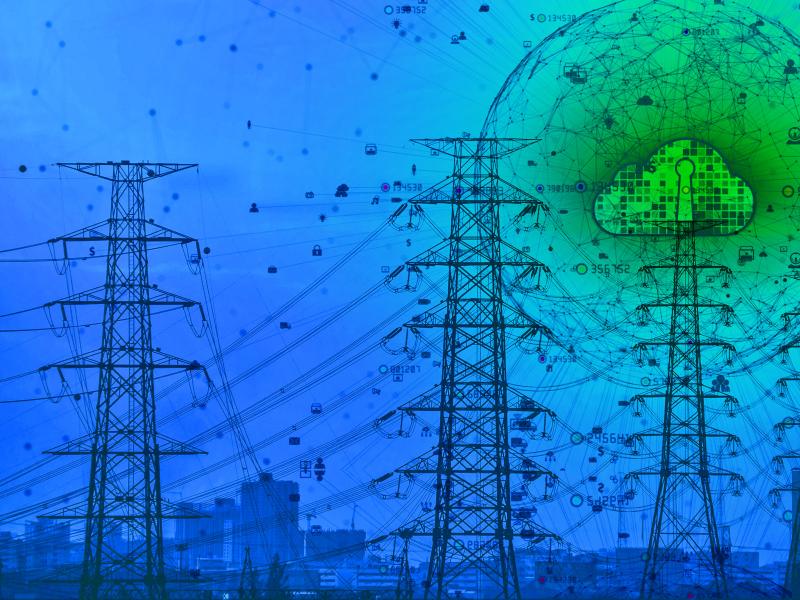
PNNL researchers developed two web-based tools to assess and mitigate cyberthreats to utilities—inside and outside their firewalls. Both are low cost and can be used by control room operators who are not cybersecurity experts.
An award-winning ion separation technology developed at PNNL has been licensed for biomedical applications. Continued research aims to make the devices suitable for molecular analysis in the field.
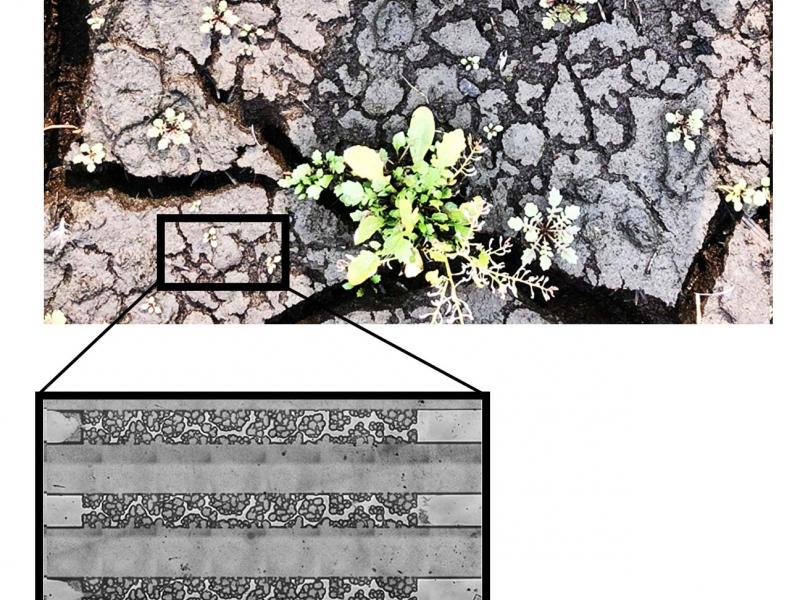
Soil microbial communities produced more water retaining molecules when enriched with insoluble organic carbon, chitin, compared to a soluble carbon source, N-acetylglucosamine.
PNNL researchers established an Internet of Things Common Operating Environment (IoTCOE) laboratory to explore the risks associated with IoT connectivity to the internet, the energy grid and other critical infrastructures.
Tracking down nefarious users is just one example of work at PNNL’s Center for Advanced Technology Evaluation, a computing proving ground supported by DOE’s Advanced Scientific Computing Research program.
Using a large repository of blood samples from military personnel, PNNL and Uniformed Services University scientists have discovered a group of 13 proteins that could provide early detection of head and neck cancers.
Five PNNL technologies were recently awarded six R&D 100 honors. The R&D 100 Awards, now in its 58th year, recognize pioneers in science and technology from industry, the federal government, and academia.
The nation’s ability to test for COVID-19 has expanded, thanks to work at Pacific Northwest National Laboratory, where scientists have established the performance of testing equipment to detect the virus.