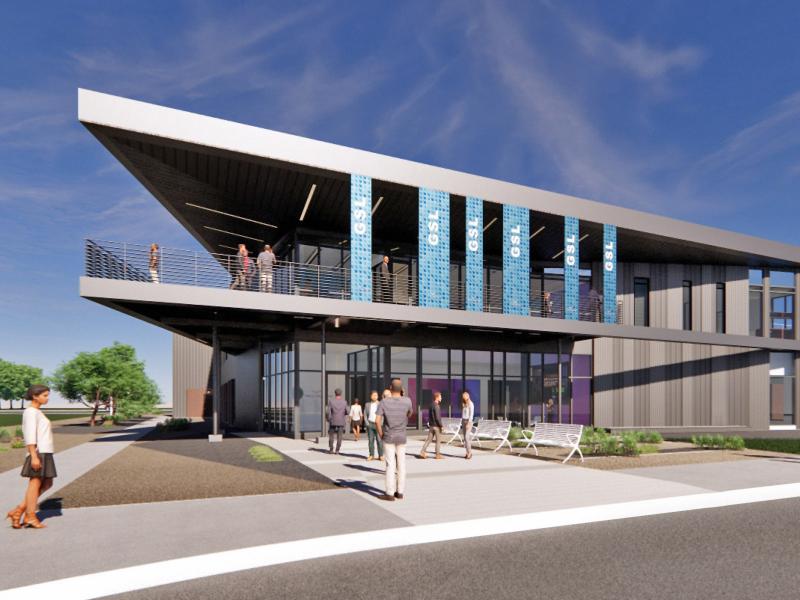
PNNL scientists have proposed an "adaptive site management" cleanup strategy for the Hanford Site's Central Plateau that incorporates a structured, flexible approach to environmental remediation.
A new longer-lasting sodium-ion battery design is much more durable and reliable in lab tests. After 300 charging cycles, it retained 90 percent of its charging capacity.
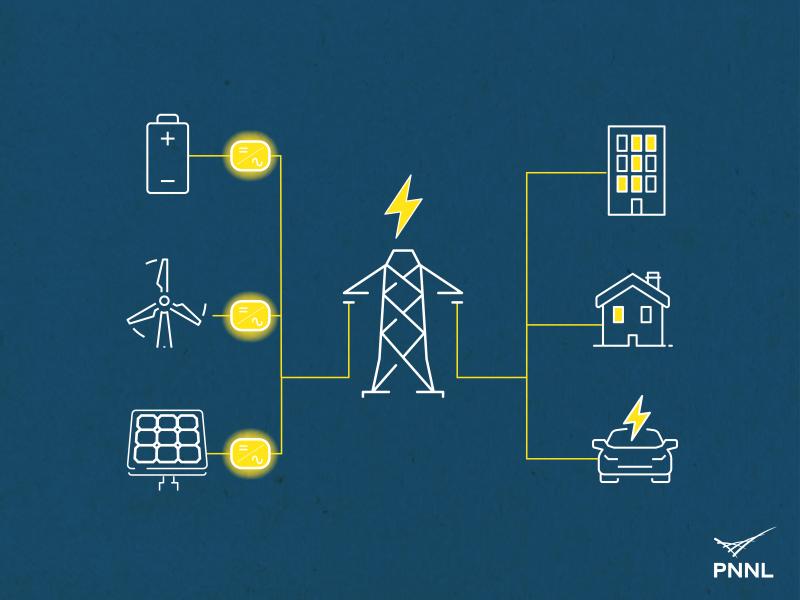
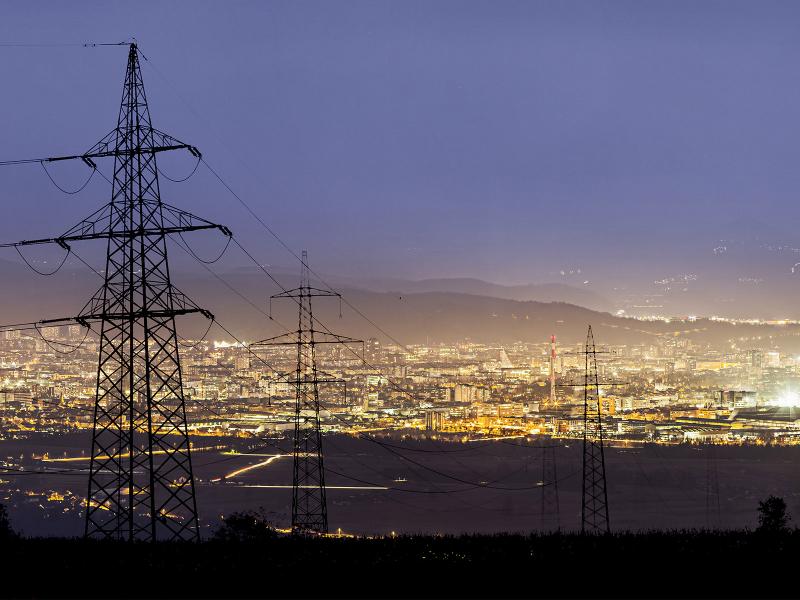
PNNL researchers developed a new model to help power system operators and planners better evaluate how grid-forming, inverter-based resources could affect the system stability.
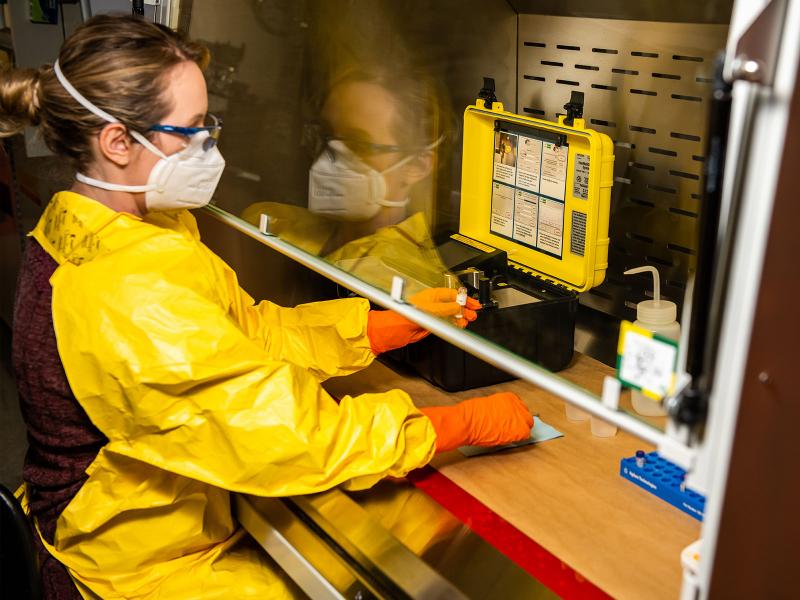
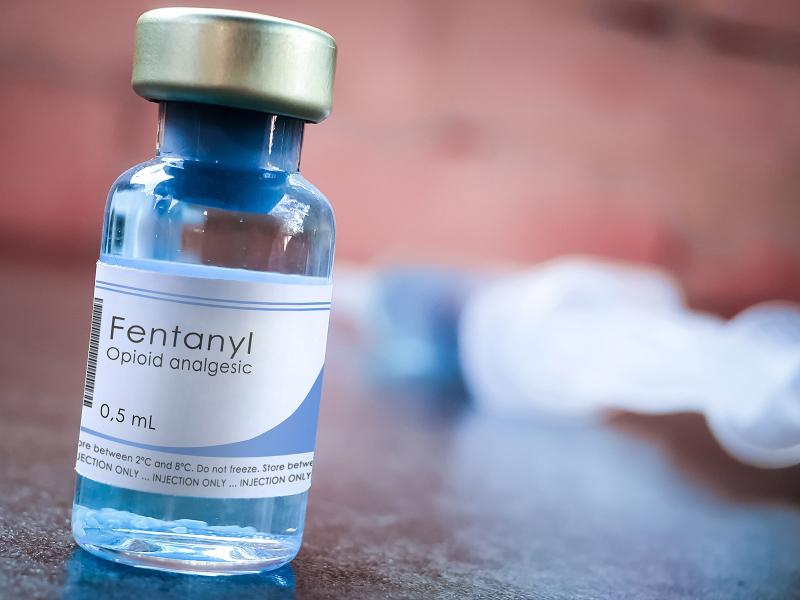
The Department of Homeland Security Science and Technology Virtual First Responder Capitol Hill Showcase highlighted PNNL work in fentanyl detection standards and database libraries.
Top scientists and officials from government, academia, Alaskan Native communities, and industry are heading to Alaska to focus on driving energy technologies for a more sustainable Arctic region.
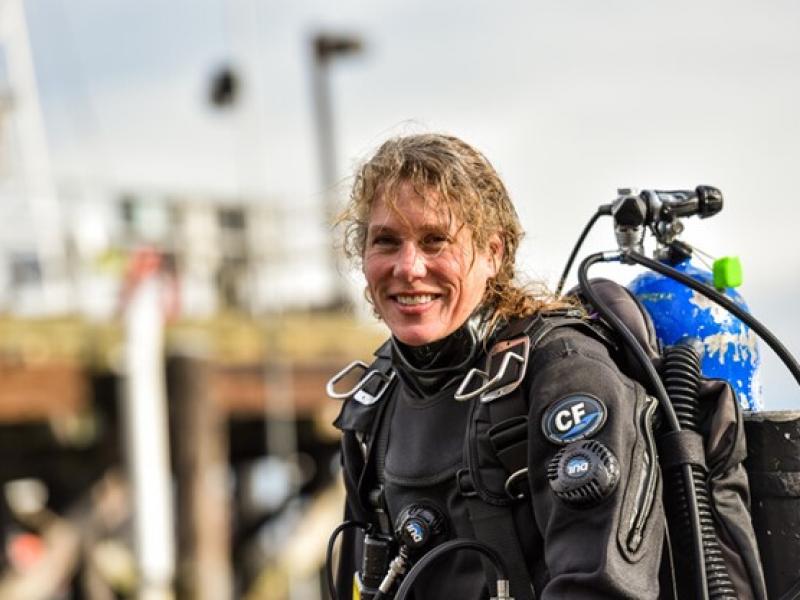
Sue Southard's one thousand dives as a PNNL staff member leave a ripple effect on efforts to keep our ocean healthy, our economy thriving, and our waters safe.
To support federal energy agencies in meeting renewed environmental policies, PNNL is identifying the mechanisms and practices that could enhance agencies’ existing environmental justice programs, policies, and activities.
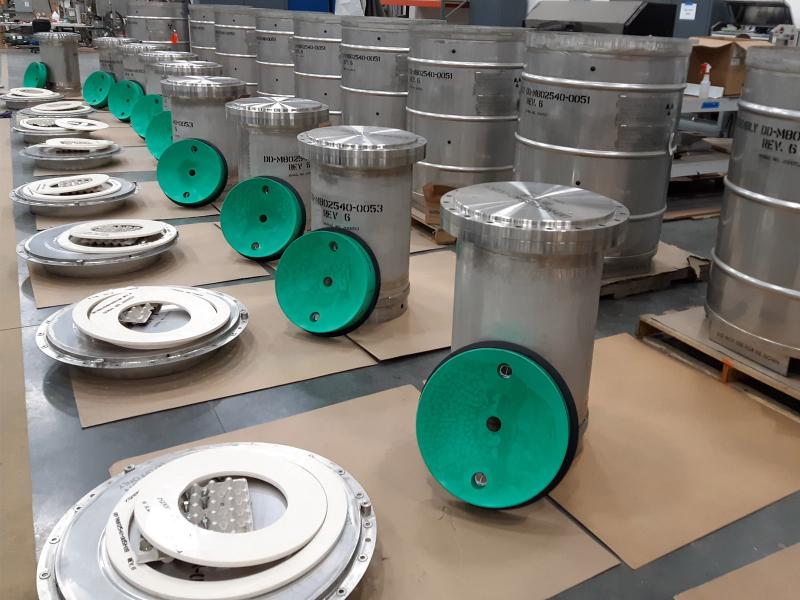
A PNNL team is leading the design, fabrication, and regulatory testing, and delivery of new packaging units that will be used to ship radioactive materials safely and securely.
Recognizing how innovation and clean technologies at the very edge of the grid can work together to transition the electricity system, PNNL takes a multidisciplinary approach to advancing and integrating renewable energy solutions.
The annual Secretary’s Honor Awards recognize federal and contractor employees who have shown exceptional creativity, drive, and commitment to projects that have lasting impact on the Department of Energy's mission.