The Public Infrastructure Security Cyber Education System is a university-community-nonprofit collaboration changing cyber education and cybersecurity.
Zhenyu (Henry) Huang acts as guest editor in an upcoming special issue on “Climate Change Mitigation and Adaptation in Power and Energy Systems." The special edition is published by Elsevier.
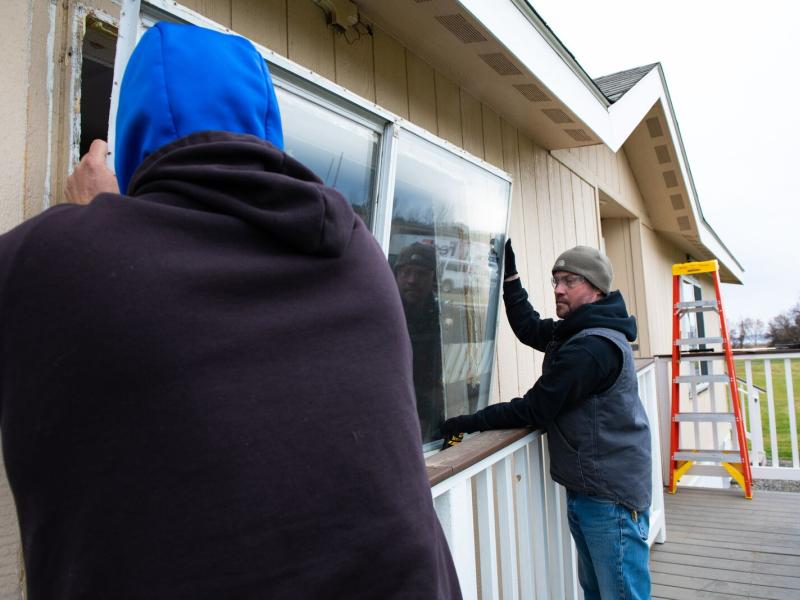
Staff at PNNL recently completed a report highlighting commercial products enabled through projects funded by the Department of Energy’s Building Technologies Office.
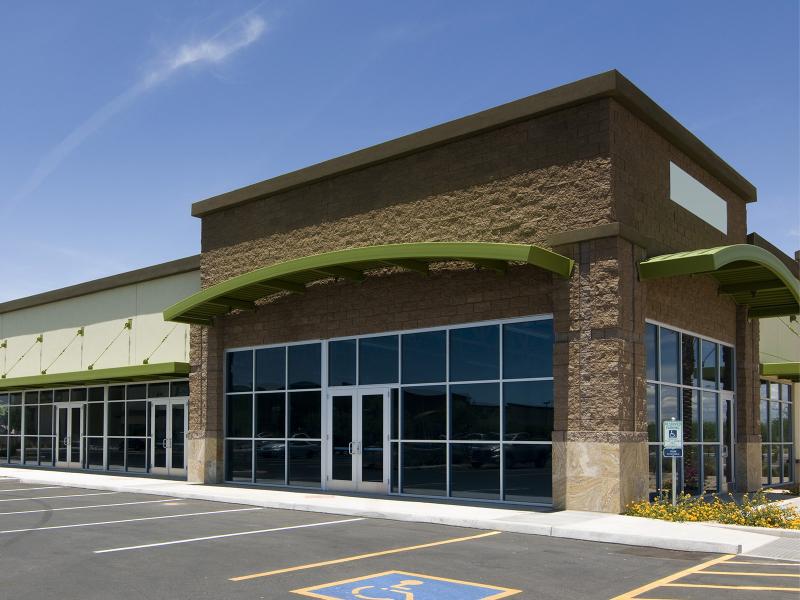
The Simple Building Calculator, developed at PNNL, meets a need for a quick, interactive, and economic method to evaluate energy use—and potential savings from efficiency measures—in simple commercial buildings.
PNNL gathered researchers from eight national laboratories plus the U.S. Department of Energy (DOE) to share ideas and build synergy at the Energy Equity and Environmental Justice Summit.
Scientists at PNNL are working to better prepare authorities, emergency responders, communities and the grid in the face of increasingly extreme hurricanes.
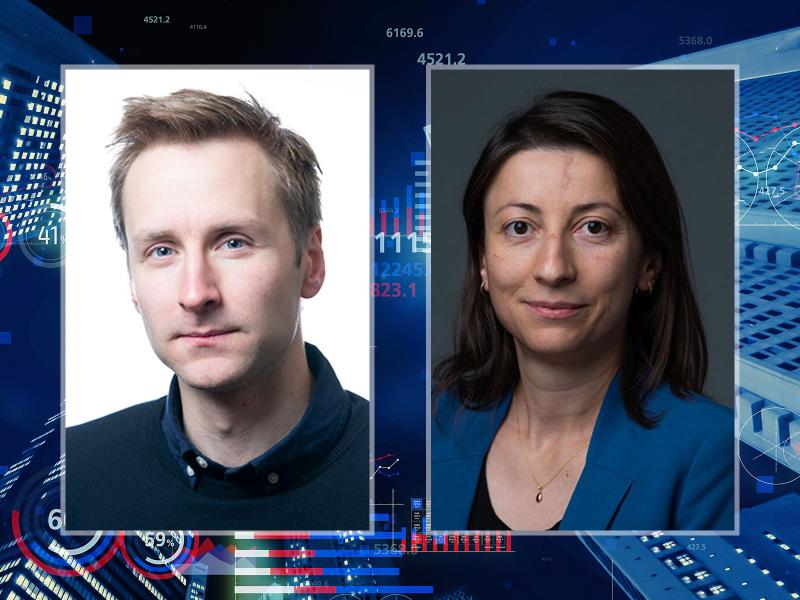
PNNL’s Ján Drgoňa and Draguna Vrabie are part of an international team that authored a most-cited paper on Model Predictive Control, an approach for improving operations, energy efficiency, and comfort in buildings.
PNNL’s Reid Hart and Bing Liu have earned individual Champions of Energy Efficiency in Buildings awards from the American Council for an Energy-Efficient Economy.
Read interviews with the new Laboratory fellows to learn about their contributions to their field, what drives them, and how their research is making the nation safer, greener, and more resilient.
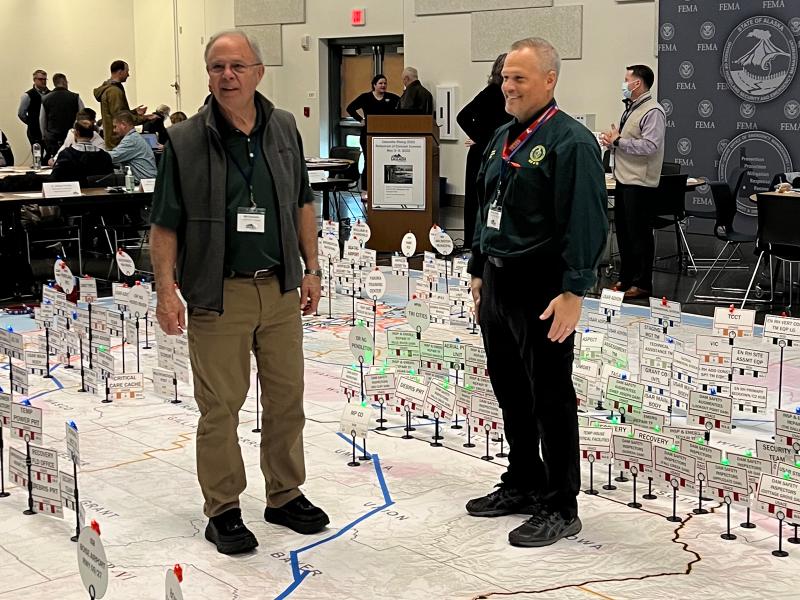
Over three days more than 200 federal, state, and tribal partners gathered to evaluate and walk through the Federal Emergency Management Agency (FEMA) Region 10 Cascadia Subduction Zone Earthquake and Tsunami Response Plan.
A new longer-lasting sodium-ion battery design is much more durable and reliable in lab tests. After 300 charging cycles, it retained 90 percent of its charging capacity.
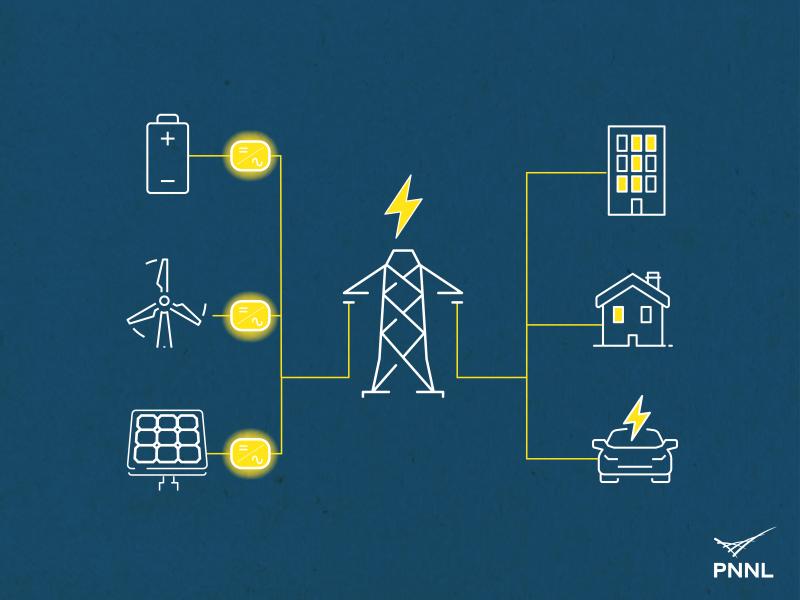
PNNL researchers developed a new model to help power system operators and planners better evaluate how grid-forming, inverter-based resources could affect the system stability.
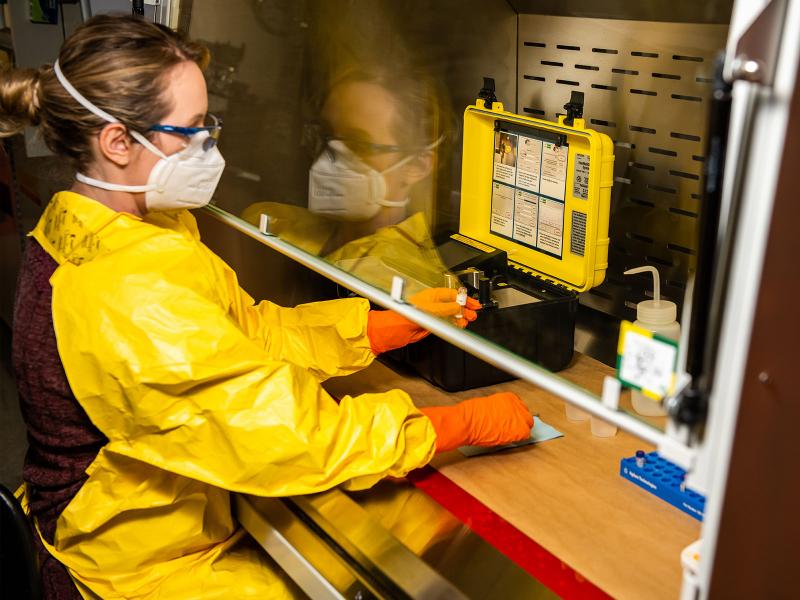
The Department of Homeland Security Science and Technology Virtual First Responder Capitol Hill Showcase highlighted PNNL work in fentanyl detection standards and database libraries.