Germany Harris, Dewayne Maye, Sarah Olocha, Shaniya Pettway, and Rayonna Redmon became the first interns of the Minority Serving Institution Partnership Program Partnership for Radiation Studies Consortium at PNNL.
Summer is for science! PNNL’s interns are diving into science and technology and getting a front-row view of the research and development of a national laboratory.
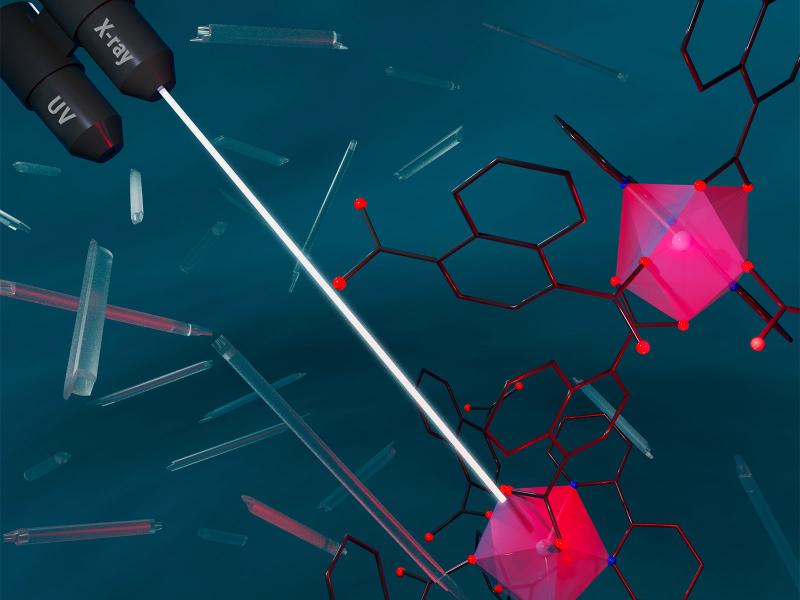
At the Nonproliferation, Counterproliferation, and Disarmament Science Gordon Research Conference, researchers from PNNL shared research and scientific approaches for countering diverse threats.
The Forefront23 workshop convened researchers, scientists, and engineers who are just that: at the forefront of cybersecurity and nuclear nonproliferation.
Katalenich was selected to attend the Grainger Foundation Frontiers of Engineering 2023 Symposium—an honor given to only 100 early-career engineers annually.
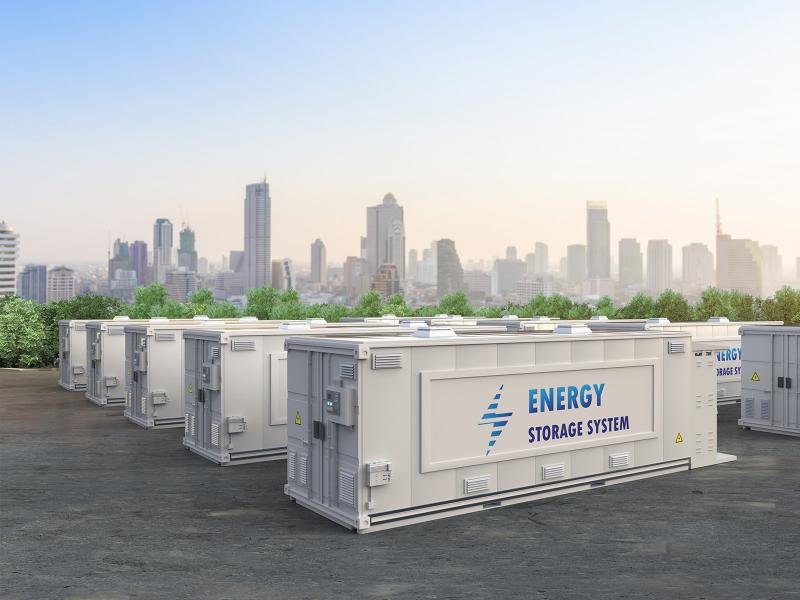
Findings in a new PNNL report show long-duration energy storage will be a necessity in decarbonizing the grid and recommends the planning and procurement process to identify those needs start immediately.
Ann Lesperance has been invited to continue her role on the Domestic Preparedness advisory board, which convenes multidisciplinary subject matter experts to support the Domestic Preparedness Journal's editorial plan.
Physicist Emily Mace will share her science journey and an interactive presentation about her current research with middle school and high school students from across the country at the National Science Bowl.
A new policy database containing energy equity-related actions could serve as a useful starting point for state policymakers and stakeholders who want to enact similar energy equity measures or adapt policies to their local circumstances.
Report for the Oregon Public Utility Commission highlights innovations and best practices for resilience and utility planning could be helpful to other states as well.