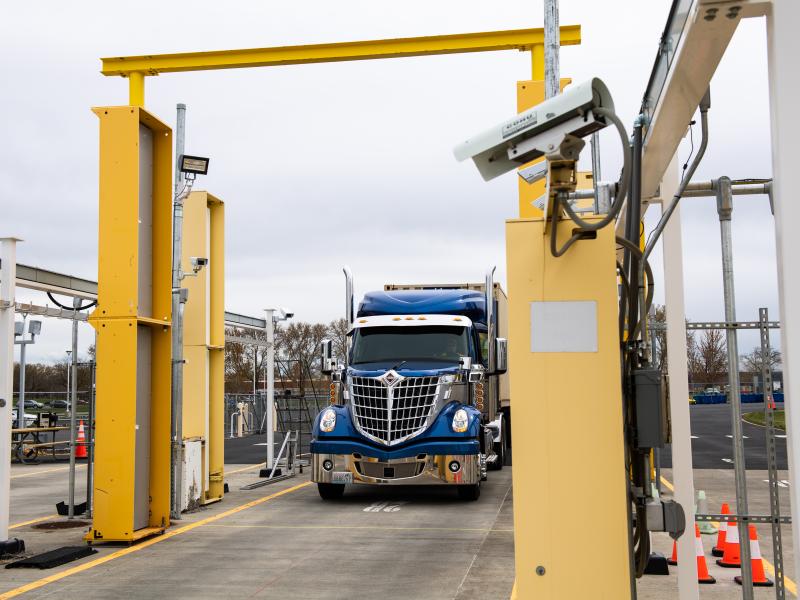
Twenty years after the first radiation portal monitor was installed, PNNL continues supporting the Department of Homeland Security’s efforts to detect and prevent terrorist weapons from crossing our borders.
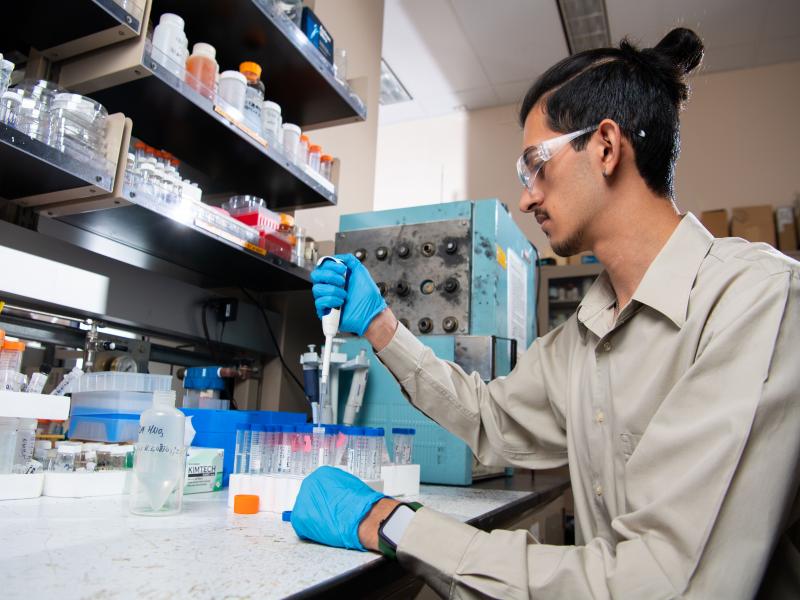
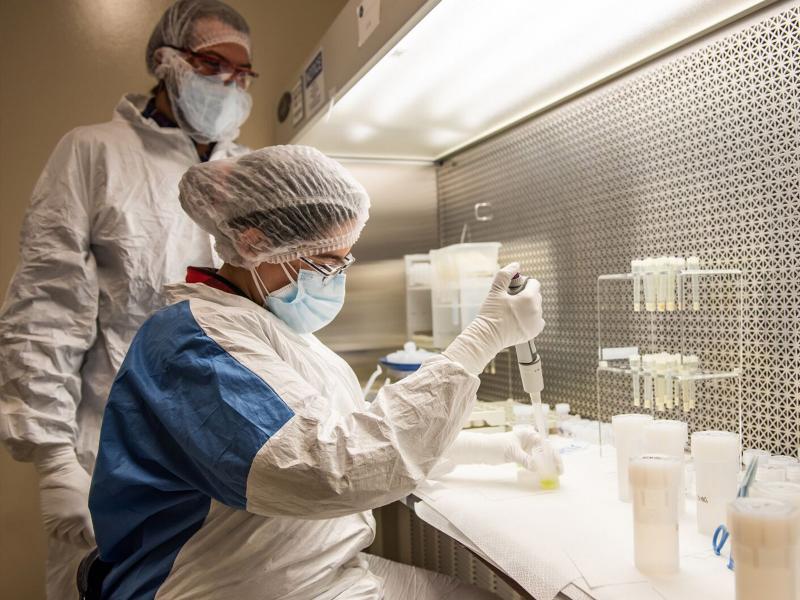
PNNL research, featured on the cover of two science journals, describes advancements in using Raman spectrometry for Hanford Site nuclear waste remediation.
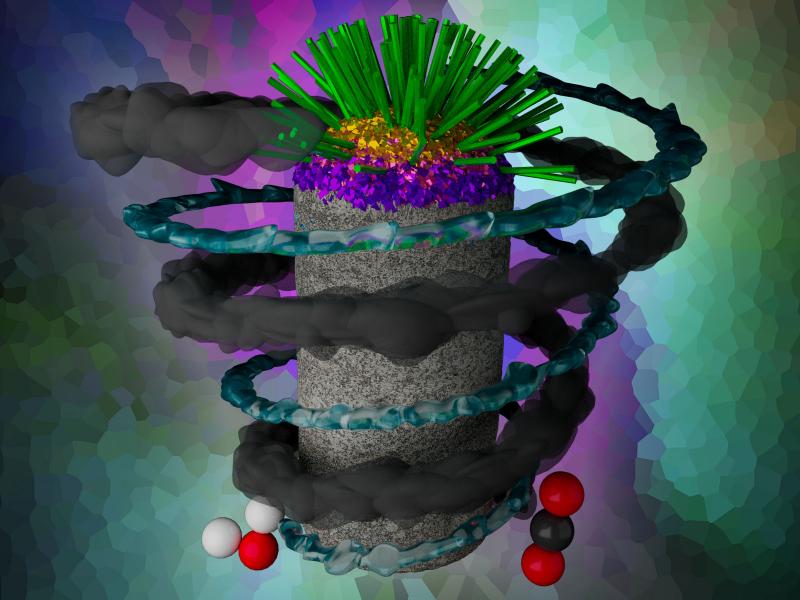
Some rocks can potentially convert injected carbon dioxide into more stable solid minerals. A new review article explores what scientists know about the atom-by-atom process.
Nonproliferation Policy and Law Analyst, Chanel Chauvet, served as the legal expert in the International Atomic Energy Agency's effort to update Uzbekistan's Integrated Nuclear Security Support Plan.
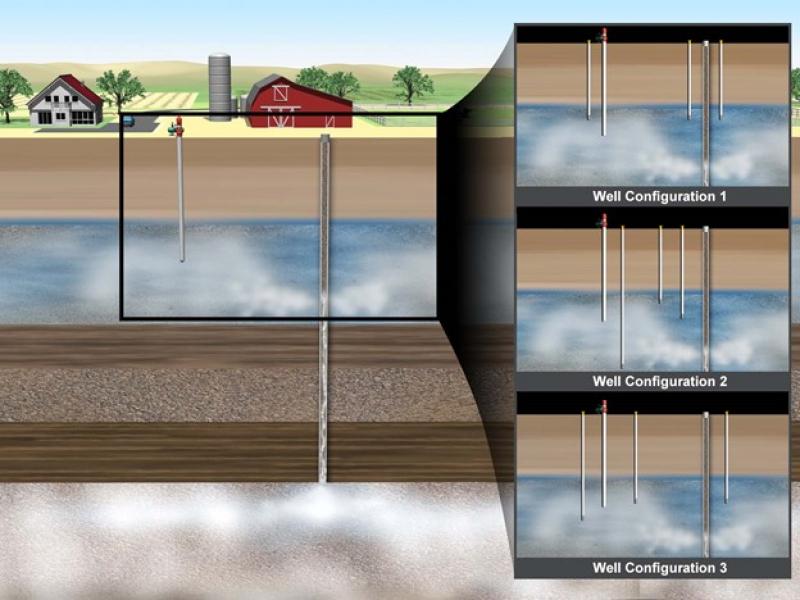
Updated flexible software generates and optimizes monitoring programs for detecting potential leaks from geological carbon storage with an enhanced user experience.
John VerWey, East Asia national security advisor, delivered remarks on competition in global supply chains at a U.S.-China Economic Security Review Commission hearing in June 2022.
A new perspective article discusses how integrating carbon dioxide capture and conversion in solvents can lead to cheaper and more efficient carbon management systems.
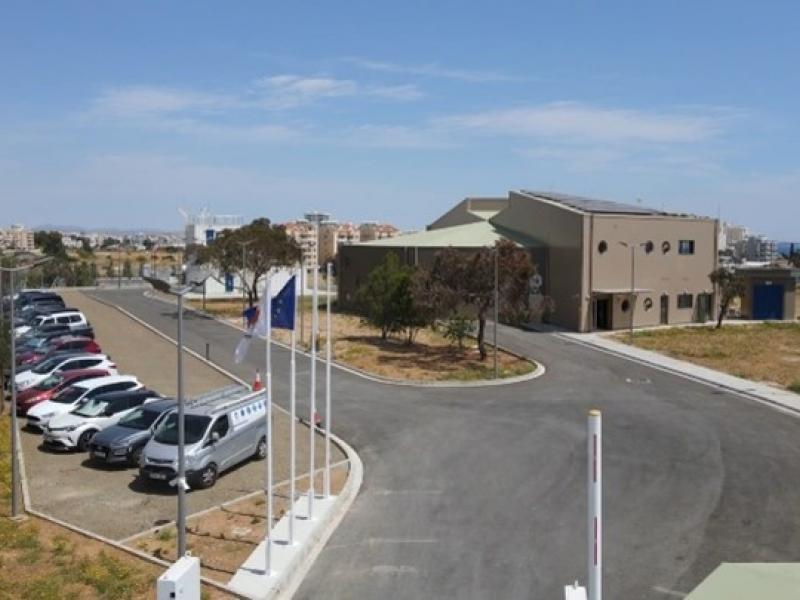
A new, state-of-the-art training facility in Larnaca, Cyprus provides unique training opportunities for border security officials from partner nations.
Sarah Frazar, a group manager in the National Security Directorate at PNNL, was recently elected Vice Chair of the Board of Trustees for the World Affairs Council of Seattle.
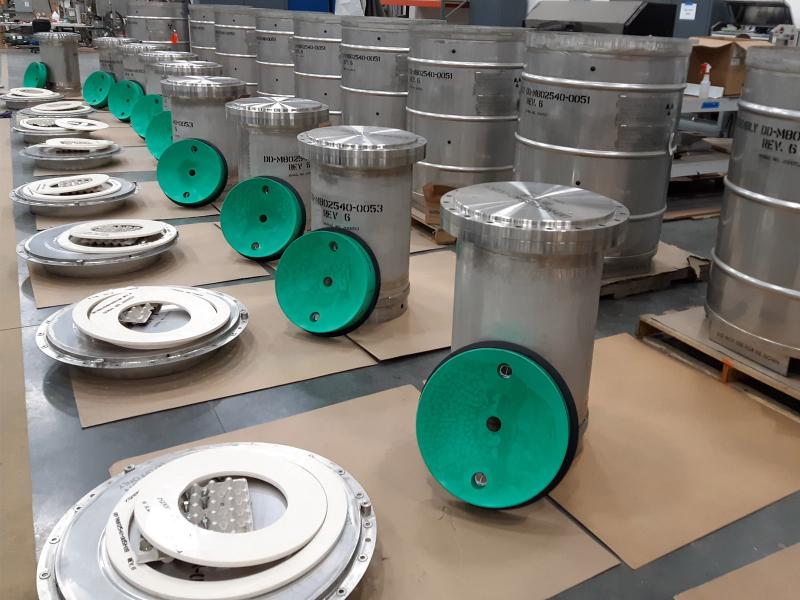
A PNNL team is leading the design, fabrication, and regulatory testing, and delivery of new packaging units that will be used to ship radioactive materials safely and securely.