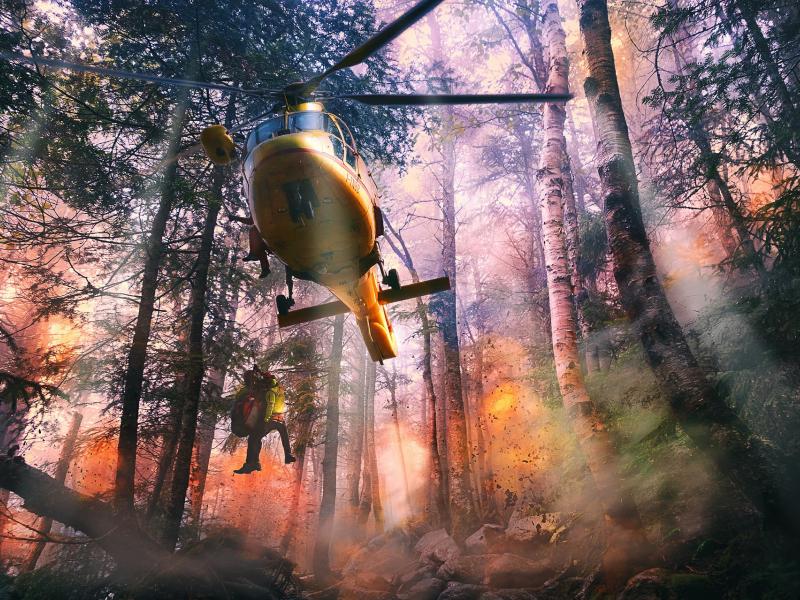
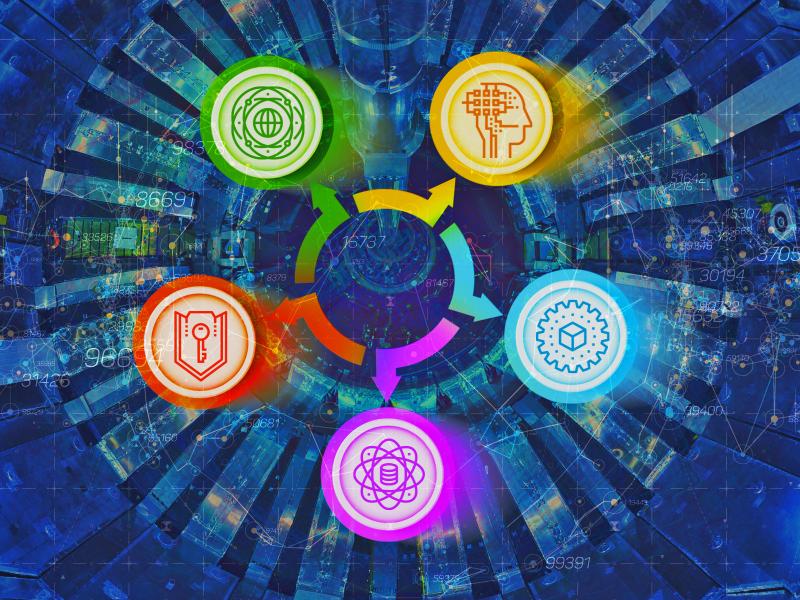
PNNL combines AI and cloud computing with damage assessment tool to predict path of wildfires and quickly evaluate the impact of natural disasters, giving first responders an upper hand.
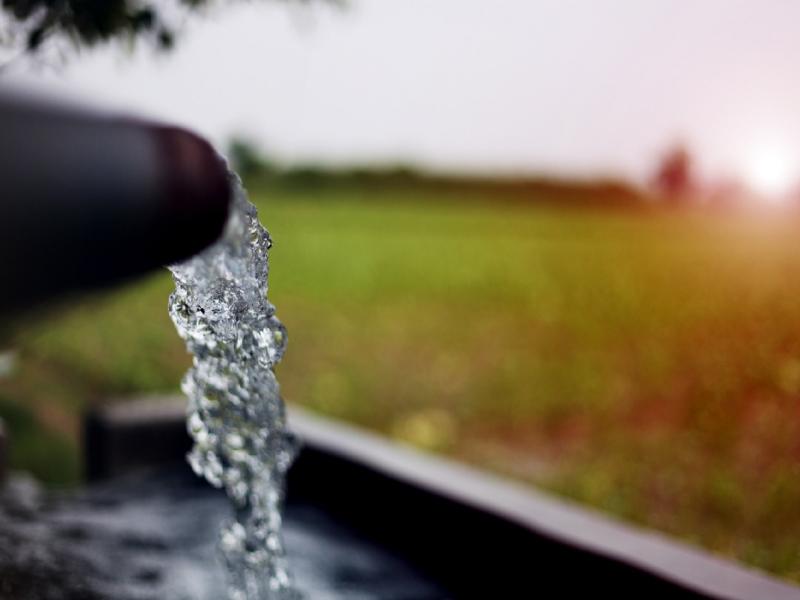
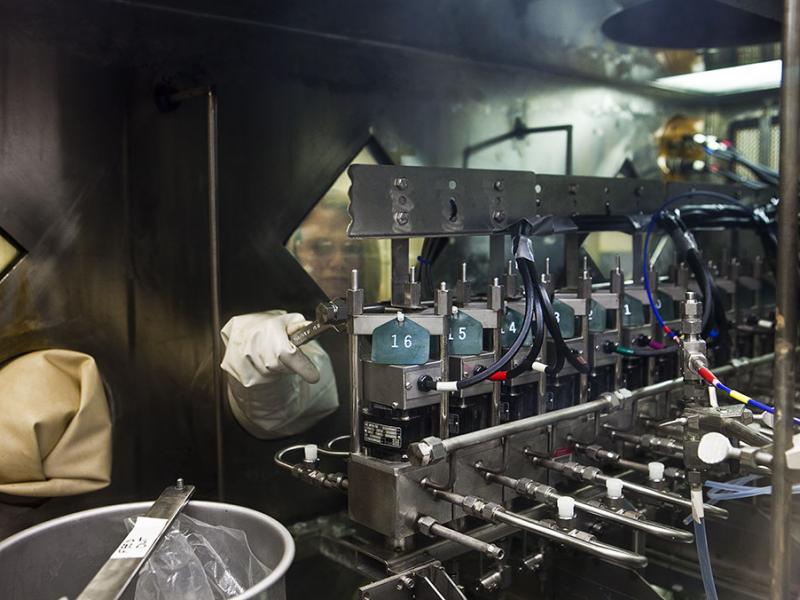
PNNL provided ultra-low measurements of argon-39 to date groundwater as part of a collaborative study of the aquifer in California’s San Joaquin Valley. PNNL is one of only a few laboratories worldwide with this capability.
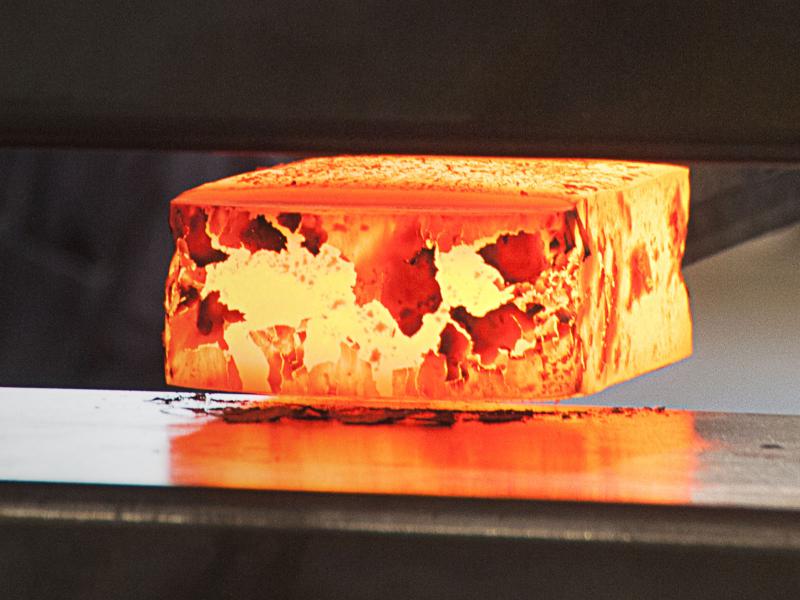
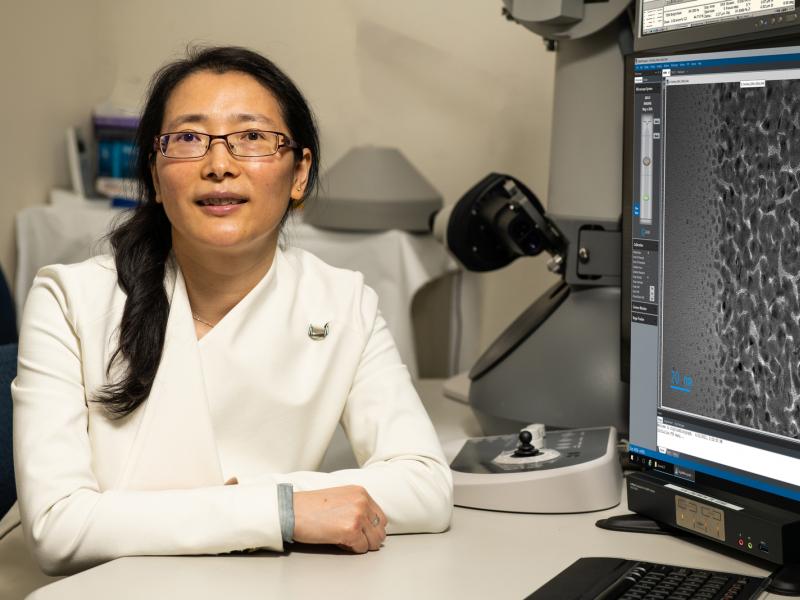
Machine learning techniques are accelerating the development of stronger alloys for power plants, which will yield efficiency, cost, and decarbonization benefits.
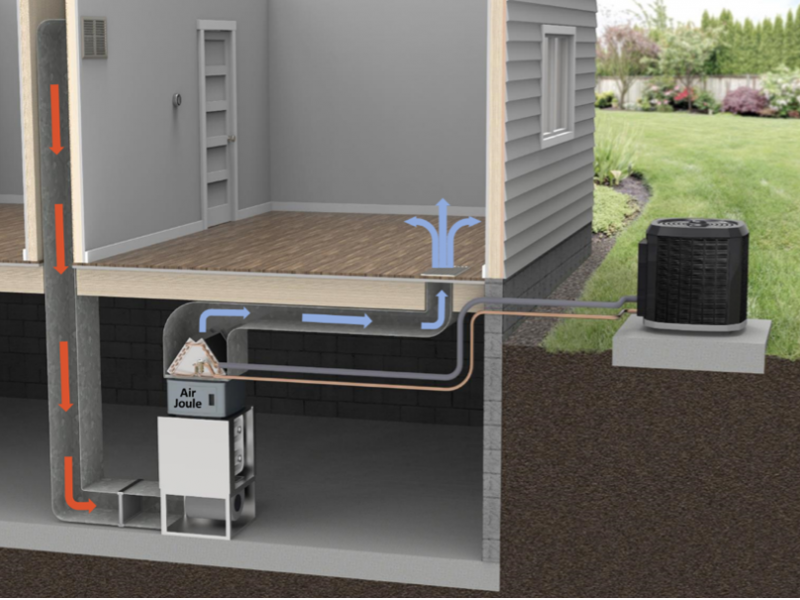
PNNL’s energy-efficient dehumidifier may reduce energy consumption by up to 50% in residential A/C systems and increase the range of electric vehicles by up to 75%. The system has been licensed to Montana Technologies.
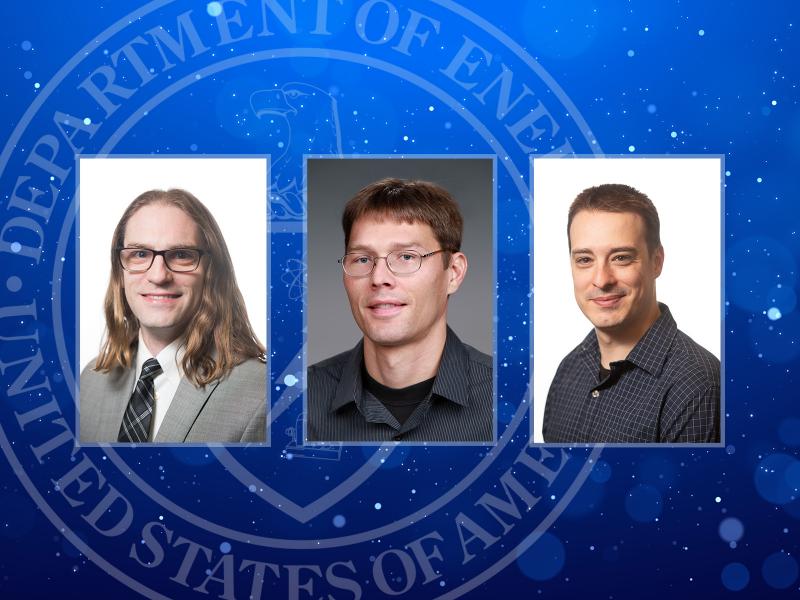
The DOE Early Career Research Program supports exceptional researchers during the crucial early years of their careers and helps advance scientific discovery in fundamental sciences
National Nuclear Security Administration Graduate Fellow Marc Wonders has spent the past year working with researchers exploring artificial intelligence in the national security mission space.
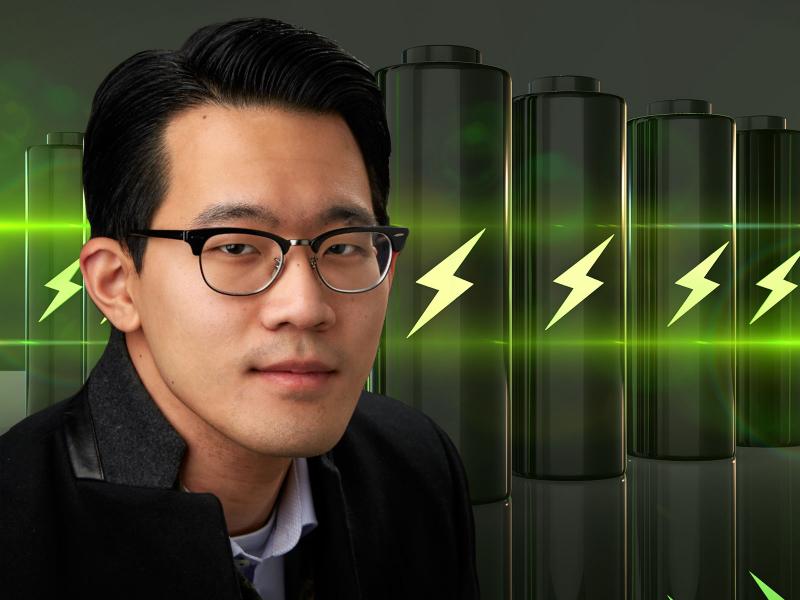
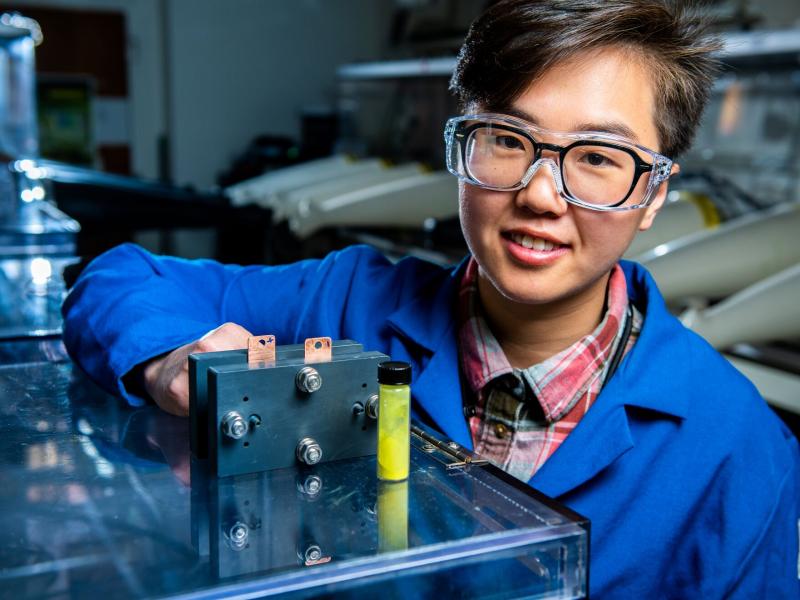
A compound used in candles offers promise for a modern energy challenge—storing massive amounts of energy to be fed into the electric grid as the need arises.
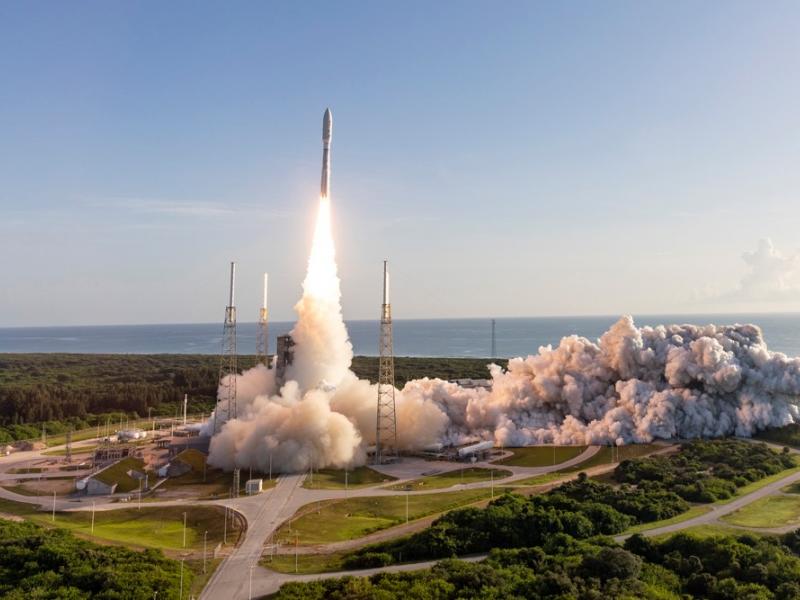
Risk analysis on the plutonium-fueled power system that supplies electricity to the Mars rover answered the “what if” nuclear safety questions for NASA.