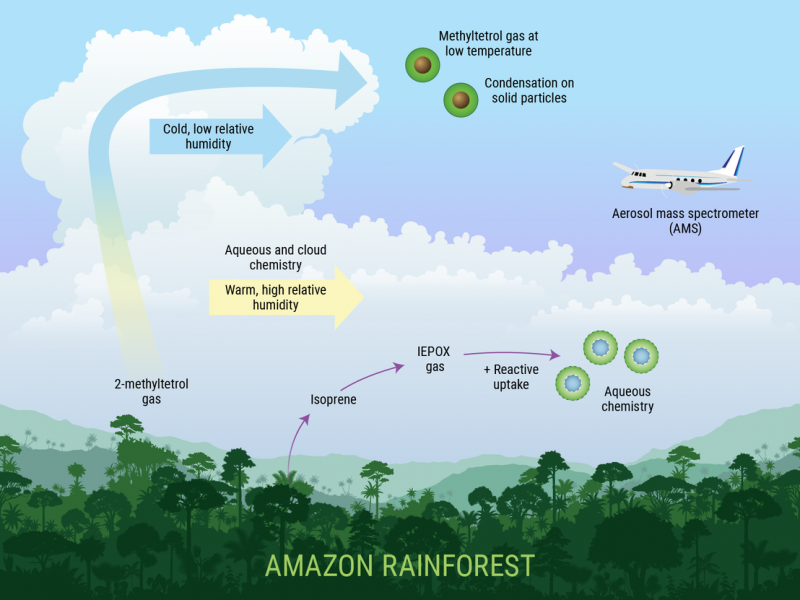
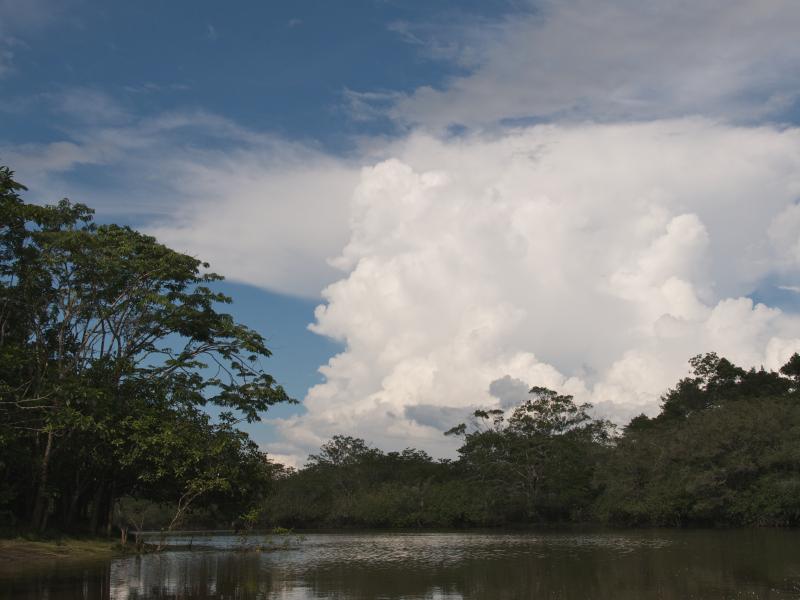
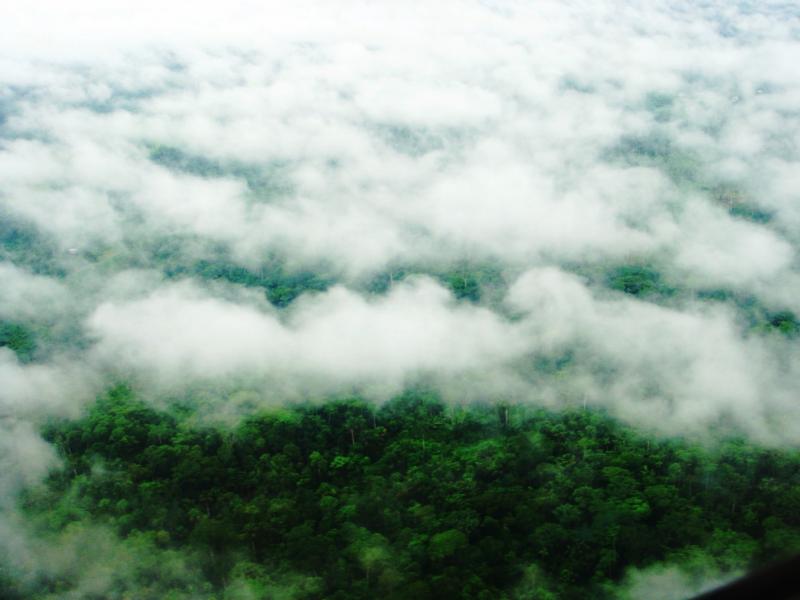
PNNL researchers have uncovered a plant-derived process that leads to the formation of aerosol particles over the Amazon rainforest and potentially other forested parts of the world.
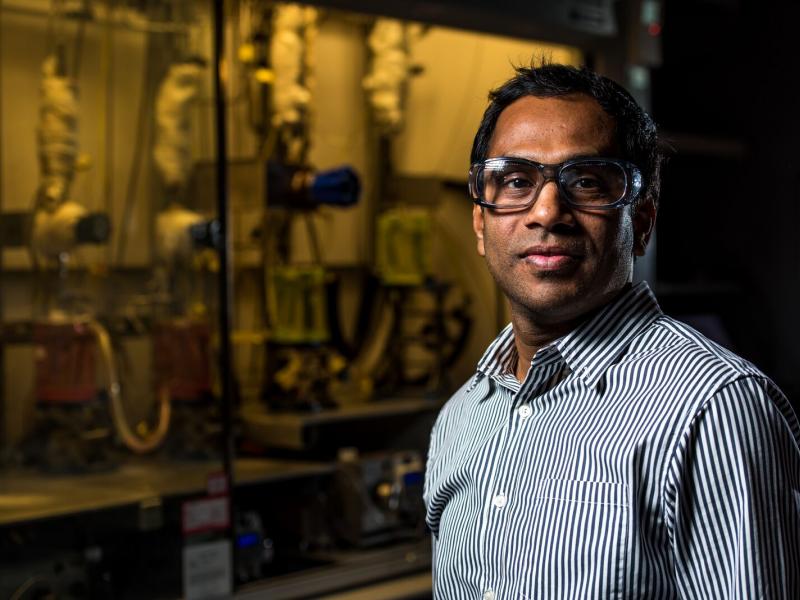
PNNL bioenergy expert Karthikeyan Ramasamy was a co-guest editor in an American Chemical Society Energy & Fuels virtual special issue on advances in biomass and wastes thermochemical processing.
Combining aircraft measurements and regional modeling allowed researchers to identify the role of in-plant biochemistry in secondary organic aerosol formation.
Moving toward a deeper understanding of the influence of large marine biogenic particles on cloud ice formation by combining modeling and observational data.
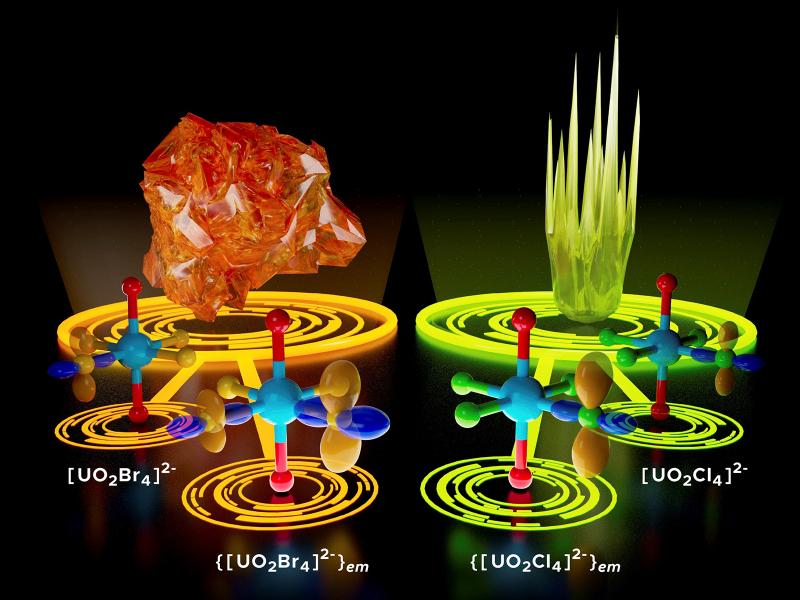
A comprehensive understanding of the electronic structure of uranyl ions provides insight into the chemistry of nuclear waste and uranium separation technologies.
The rapid growth of urban nanoparticles via the condensation of organic vapors substantially alters shallow cloud formation and suppresses precipitation.
Johannes Lercher, Battelle Fellow and director of the PNNL Institute for Integrated Catalysis, envisions energy storage solutions at the new Energy Sciences Center.
A PNNL study has shown the nation’s wastewater resource recovery facilities could generate revenue by converting sludge into biofuel—while significantly reducing disposal costs—using an in-house-developed technology.
PNNL has published a workshop report that outlines recommended actions to bring sustainable aviation fuel to the airline industry, using a PNNL-developed technology.
A research team is exploring the safety and feasibility of clean hydrogen to replace some fossil fuel in medium- and heavy-duty vehicles and maritime uses at the Port of Seattle.