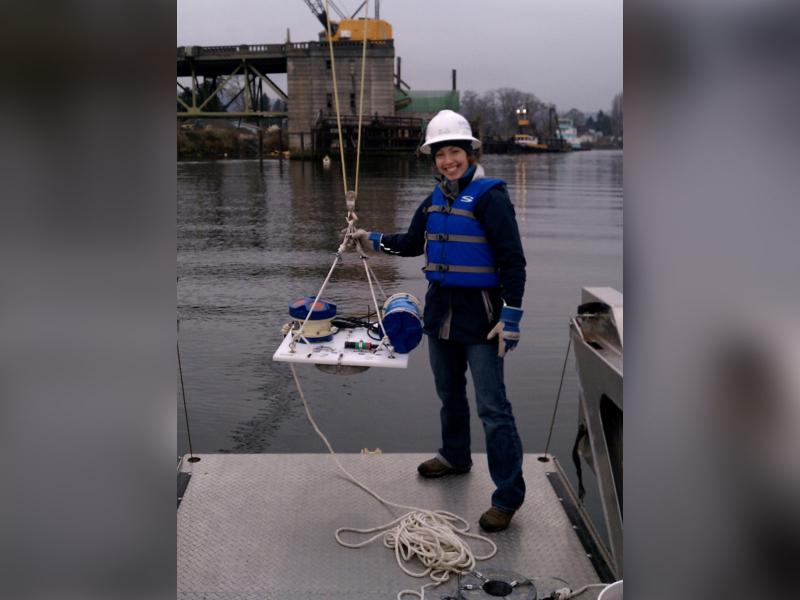
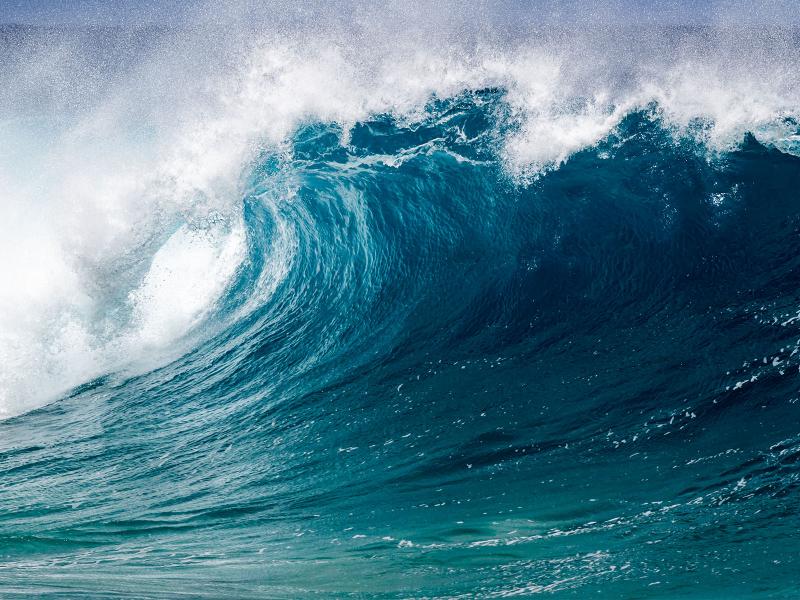
PNNL physical oceanographer Maggie McKeon will speak February 3 at the U.S. launch meeting for the United Nations’ Ocean Decade. She will present on improving diversity in the Superfund site workforce.
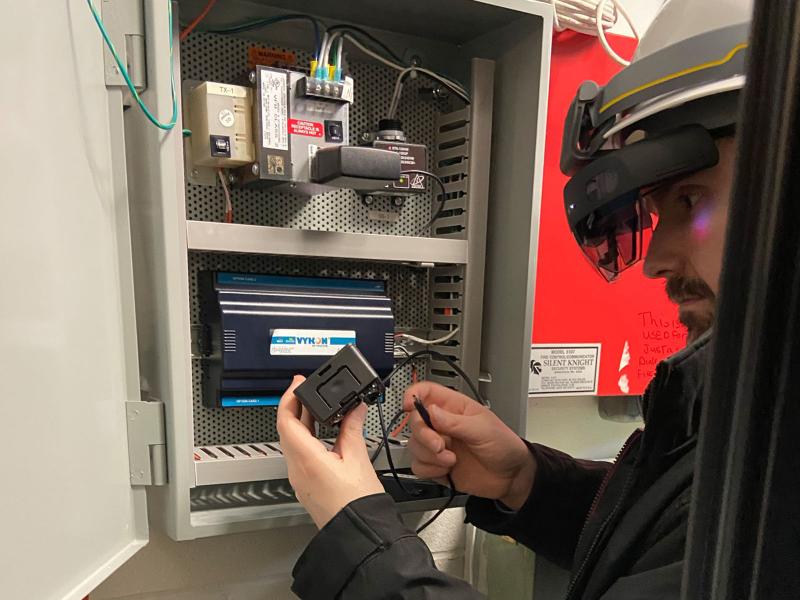
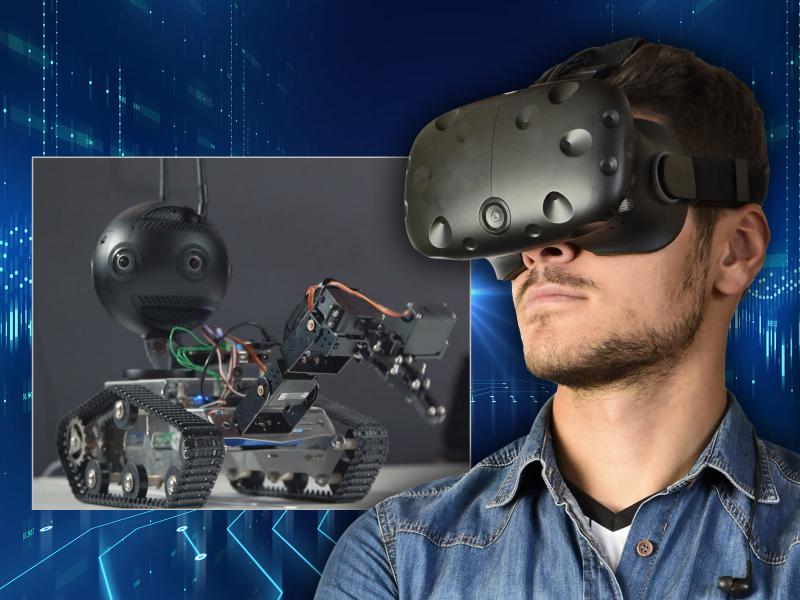
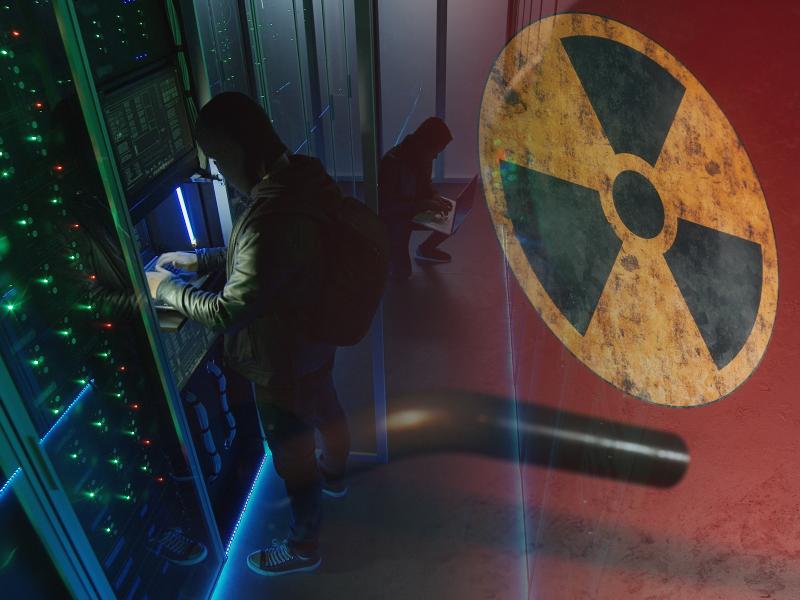
Red teaming for CPS, the process of challenging systems, involves a group of cybersecurity experts to emulate end-to-end cyberattacks following a set of realistic tactics, techniques, and procedures.
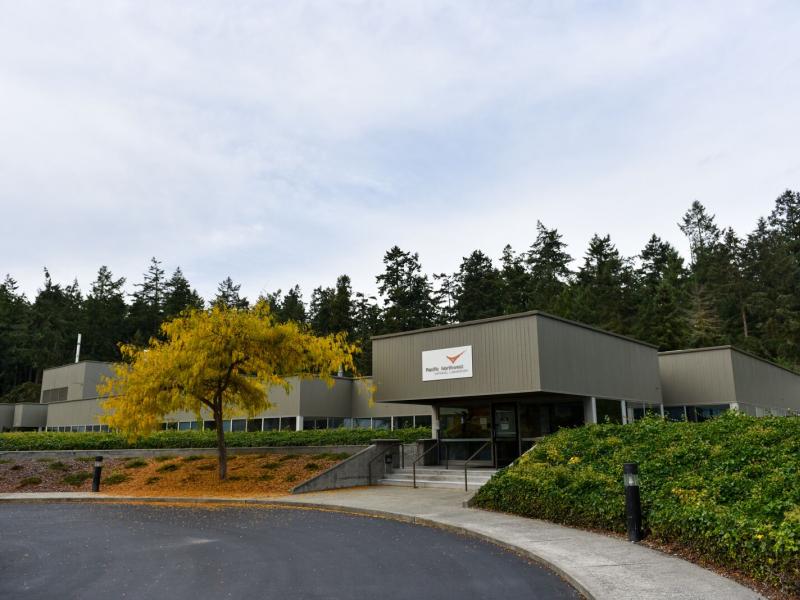
The Marine and Coastal Research Laboratory (MCRL), part of PNNL, in Sequim, Washington, is the U.S. Department of Energy’s only marine research facility. It has a rich history and expanding research scope.
A special issue of the Marine Technology Society Journal, titled “Utilizing Offshore Resources for Renewable Energy Development,” focuses on research and development efforts including those at Pacific Northwest National Laboratory (PNNL).
Two PNNL researchers, one a world-leading authority on microorganisms, the other an expert on coastal ecosystem restoration, have been elected fellows of the American Association for the Advancement of Science.
In a new video series, PNNL is highlighting six scientific and technical experts in the national security domain throughout the fall. Each was promoted to scientist and engineer level 5 earlier this year.
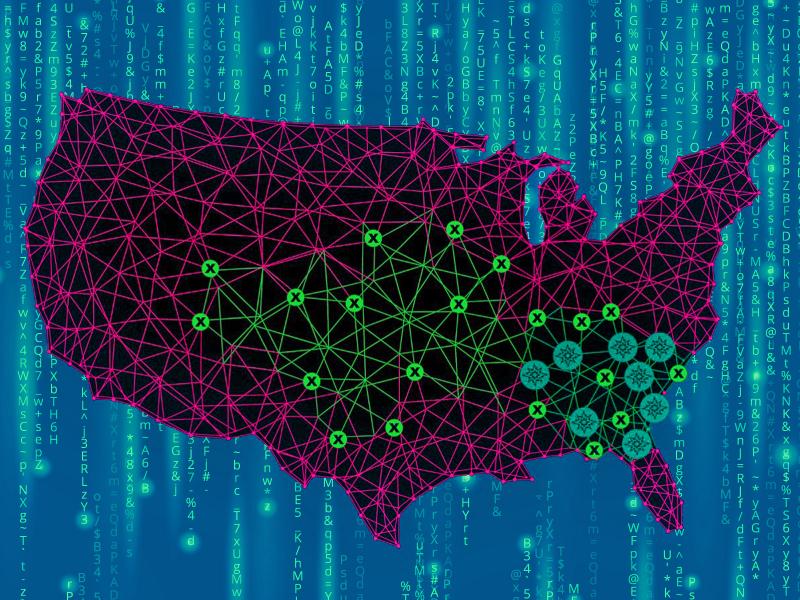
PNNL researchers developed two web-based tools to assess and mitigate cyberthreats to utilities—inside and outside their firewalls. Both are low cost and can be used by control room operators who are not cybersecurity experts.
PNNL researchers established an Internet of Things Common Operating Environment (IoTCOE) laboratory to explore the risks associated with IoT connectivity to the internet, the energy grid and other critical infrastructures.
The Facility Cybersecurity toolkit, developed by PNNL, is designed for federal facilities to help implement the presidential executive order on cybersecurity, but it is also available for commercial facilities without charge.
A new agreement between Pacific Northwest National Laboratory and The University of Texas at El Paso will create research and internship opportunities.
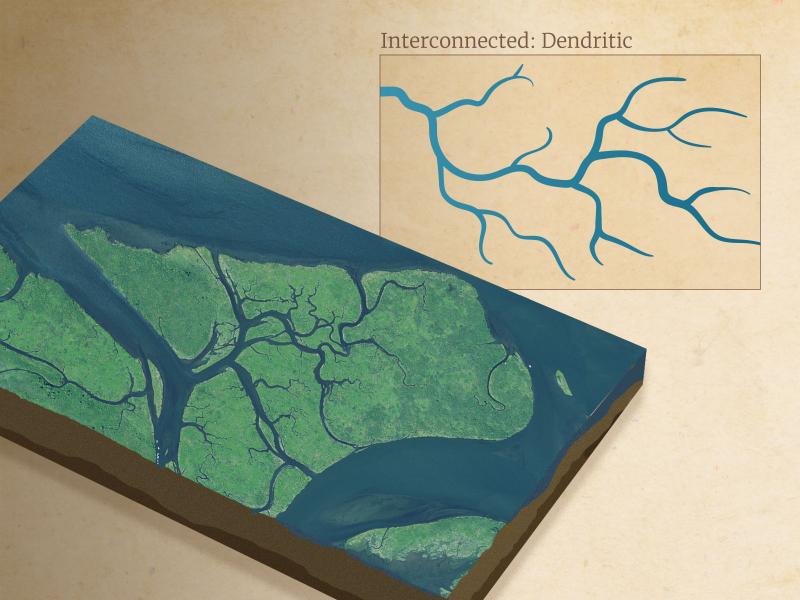
Culminating 10 years of study, researchers at PNNL’s Marine and Coastal Research Laboratory developed a new predictive framework for estuarine–tidal river research and management.
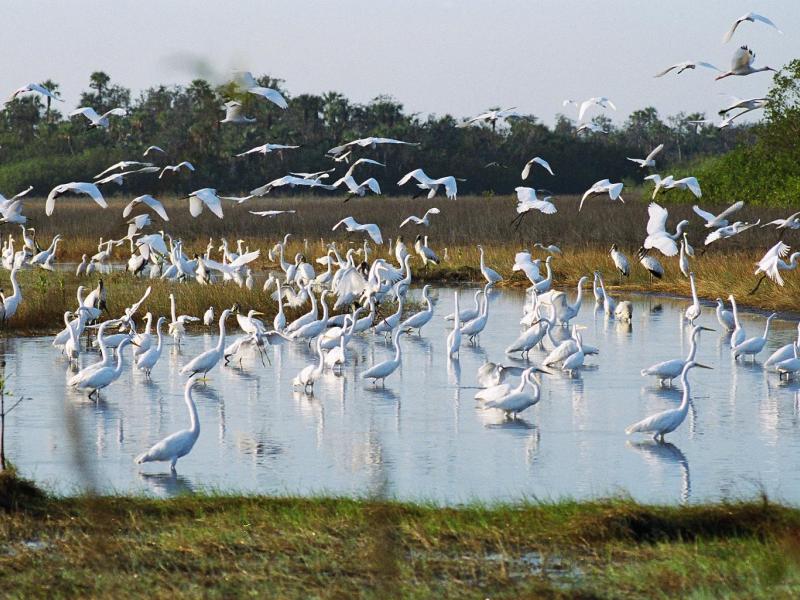
PNNL’s Heida Diefenderfer was recently appointed to a National Academies of Sciences, Engineering, and Medicine committee that will assess long-term environmental trends in the Gulf of Mexico region.
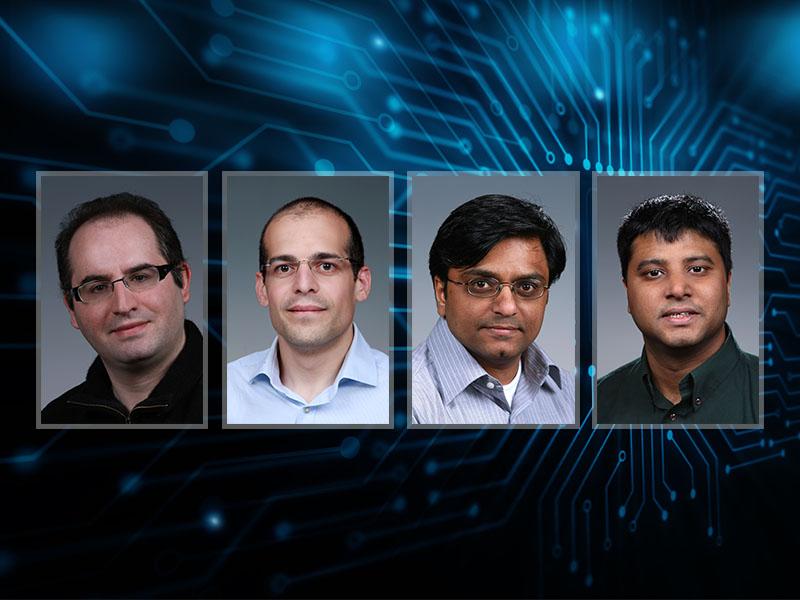
PNNL scientists Larry Berg, Susannah Burrows, Nicholas Ward, and Yun Qian were named among the most outstanding journal reviewers by the American Geophysical Union.