Sam Rosenberg, a data research scientist in the Energy and Environment Directorate at PNNL, has been appointed voting member of the Regional Technical Forum for the Northwest Power Conservation Council.
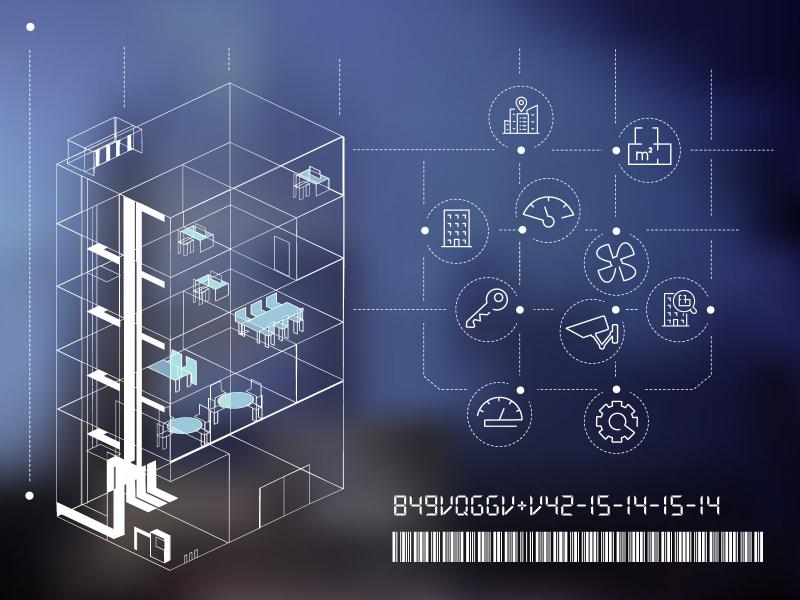
PNNL researchers develop software that uses geographical data to build a free, open-source grid reference system to provide a precise system to locate structures.
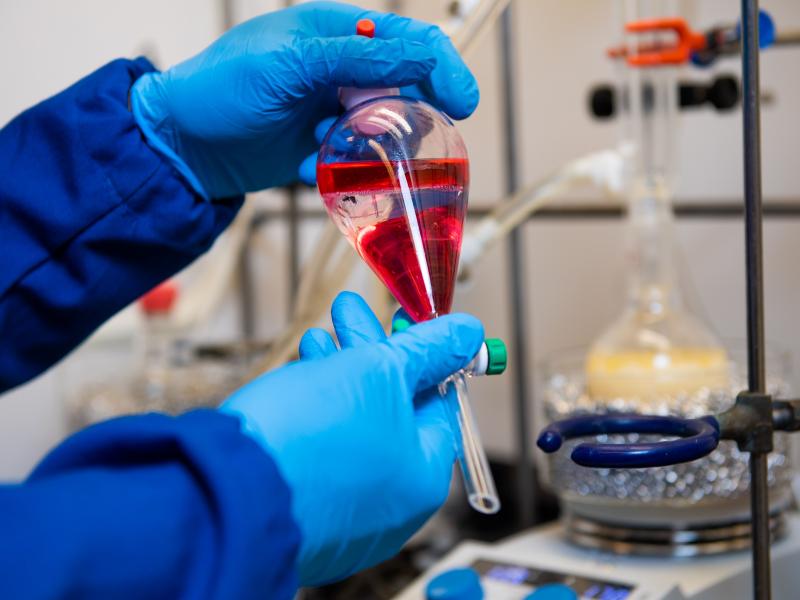
From water purification, to better batteries and tools to foil a cyberattack—a look back at how PNNL helped to invent a brighter and better future over the last year.
Electrical engineer Aditya Ashok and cybersecurity researcher Thomas Edgar win best paper award for their work to create a new high-fidelity dataset that will help advance cybersecurity solutions for critical infrastructure protection.
Royer’s research has focused on ensuring that energy efficient lighting technologies, like LEDs, offer quality light so they reach their potential for energy savings.
PNNL has received 119 R&D 100 Awards since 1969, when the laboratory began submitting entries in the contest that recognizes top 100 inventions each year.
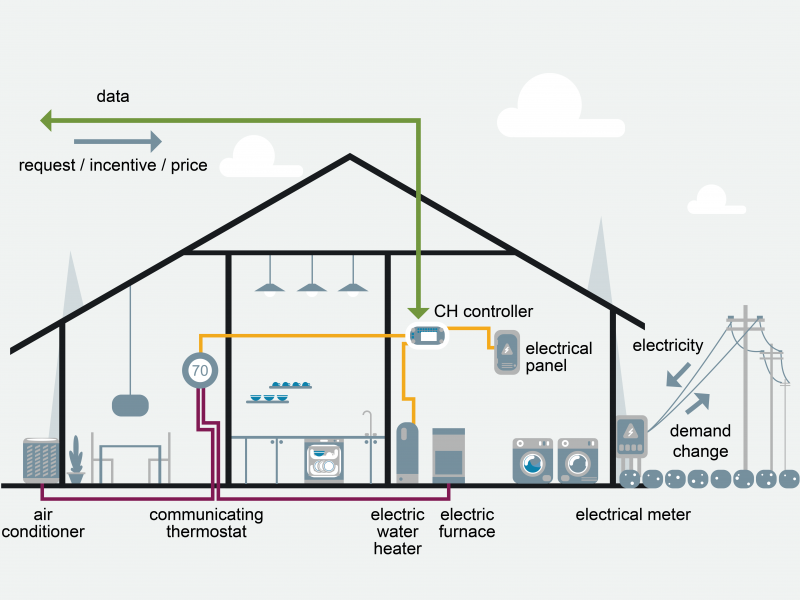
PNNL will play a key role in advancing Connected Communities made up of efficient homes and buildings that communicate with the grid to produce energy and environmental benefits.
Researchers at PNNL examined heat pump water heater (HPWH) operation in Pacific Northwest residences, gaining insights into HPWH electricity use patterns. Part of the study captured trends during a COVID-19 stay-at-home order.
PNNL cybersecurity engineer Penny McKenzie was selected from hundreds of national laboratory mentors to join Secretary of Energy Jennifer Granholm on multi-laboratory DOE internship panel for summer interns.
PNNL recently worked with Purdue University to host a Cybersecurity Summit for PNNL researchers to find out more about the research at Purdue’s Center for Education and Research in Information Assurance and Security.