PNNL biomedical scientist Ernesto Nakayasu brings expertise in host-pathogen interactions and the interconnection between the immune response and cellular metabolism to provide constructive review for submitted manuscripts.
After 50 years in science and on the eve of retirement, Laboratory Fellow Karin Rodland, a cancer cell biologist at PNNL, is working on experiments she has dreamed about for decades.
Accurate identification of metabolites, and other small chemicals, in biological and environmental samples has historically fallen short when using traditional methods.
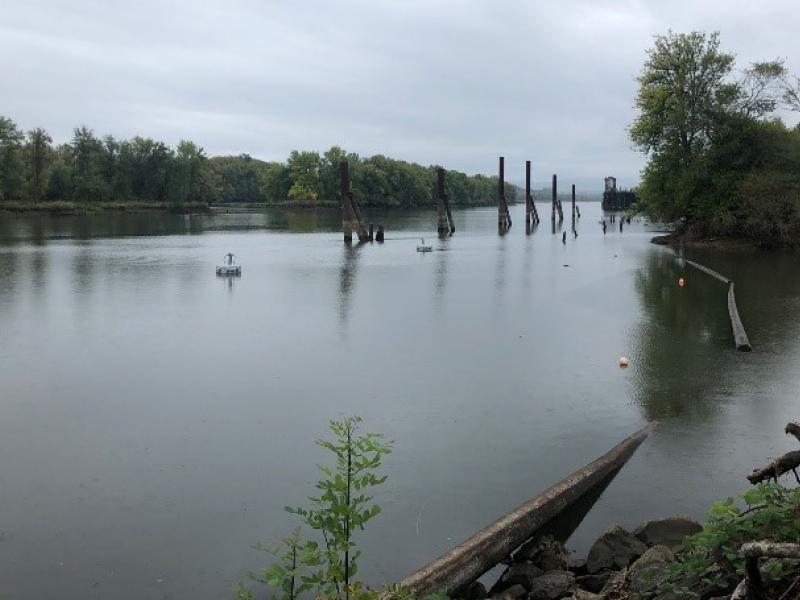
A long-standing collaboration between PNNL and Oregon State University to study harmful chemicals at federally designated hazardous waste sites primarily across the Pacific Northwest has been awarded a five-year, $12.7 million grant.
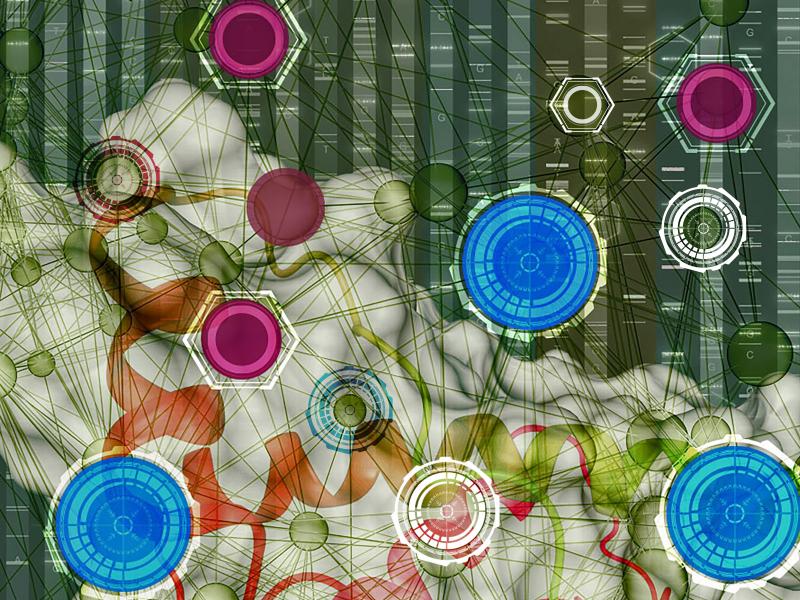
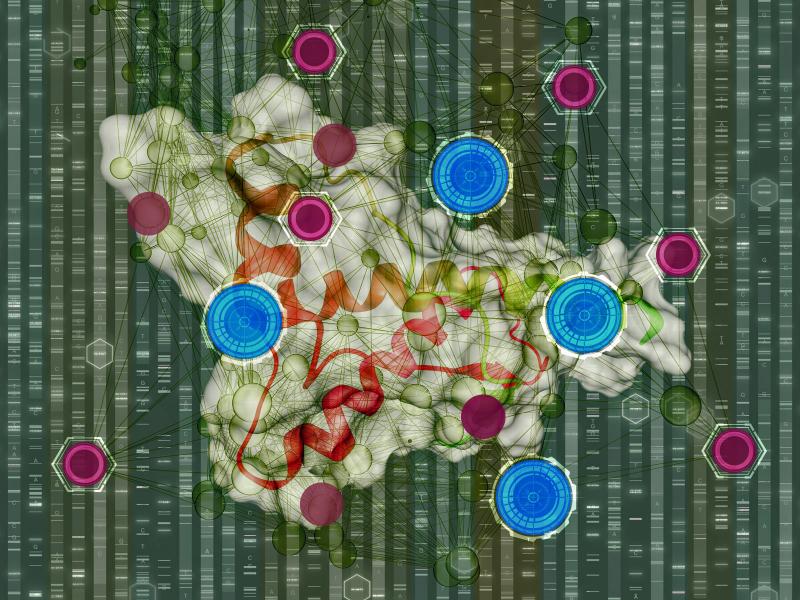
A new study using proteogenomics to compare cancerous tissue with normal fallopian tube samples advances insights about the molecular machinery that underlies ovarian cancer.
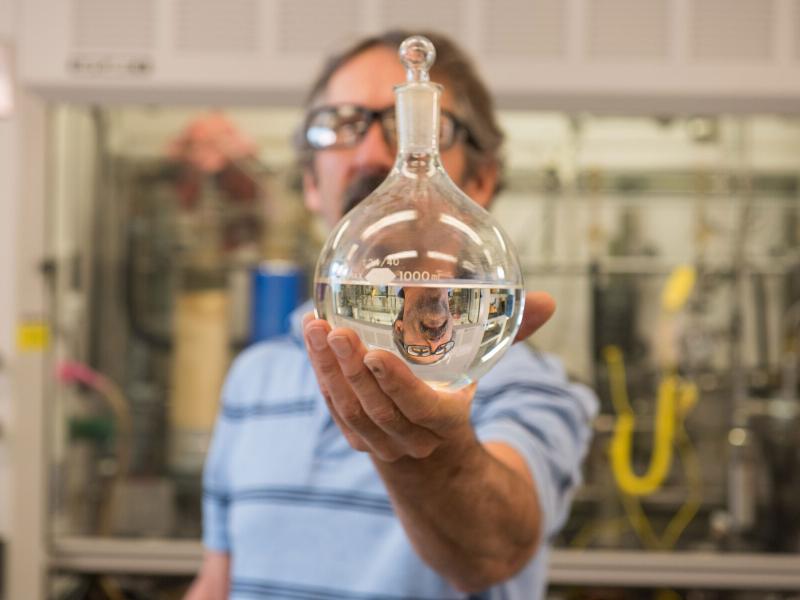
The PNNL team that made history, working with industrial partner LanzaTech, by creating the first jet fuel from industrial waste gas will receive a 2020 IRI Achievement Award for its breakthrough.
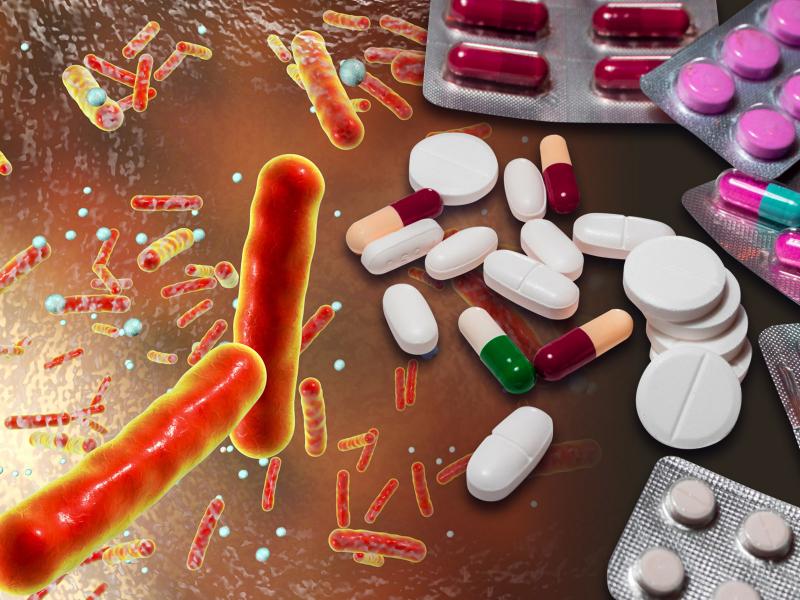
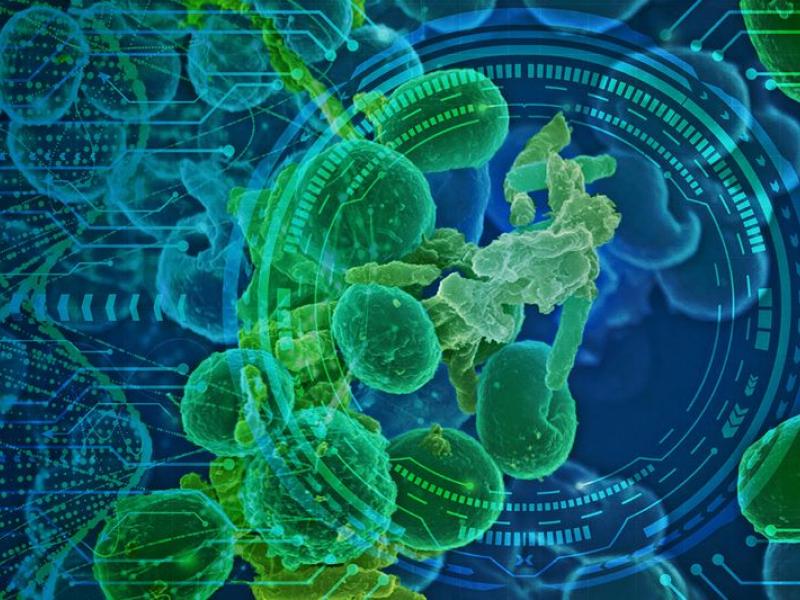
The recent coronavirus pandemic shows just how quickly a deadly pathogen can sweep across the globe, killing tens of thousands in the U.S. and disrupting daily life for millions more in the span of a few months.
James Mayer, Charlotte Fitch Roberts Professor of Chemistry at Yale University and research leader at PNNL's Center for Molecular Electrocatalysis (CME), has been elected to the American Academy of Arts and Sciences.
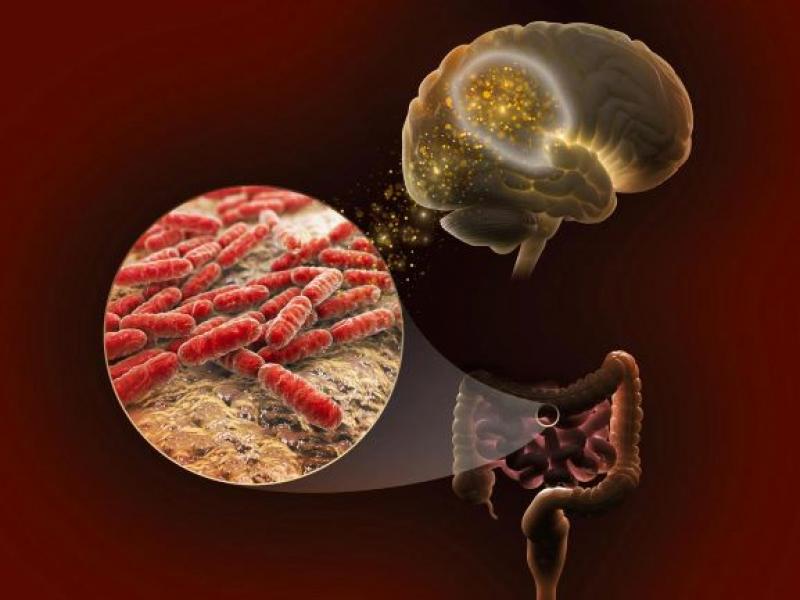
A new study is among the first to trace the molecular connections between genetics, the gut microbiome and memory in a mouse model bred to resemble the diversity of the human population.
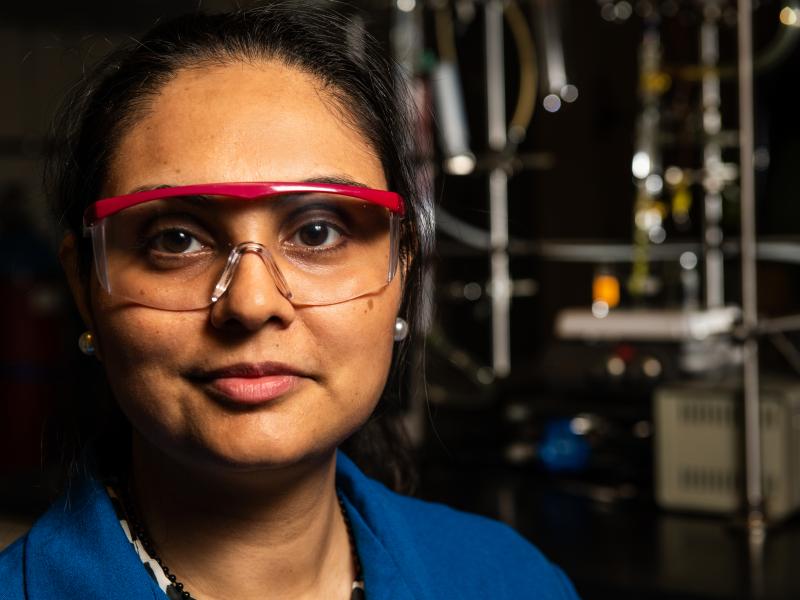
Deepika Malhotra, an organic chemist at PNNL, will lend her expertise to help shape the content and quality of Pollutants a new, interdisciplinary, open access, journal focusing on a range of environmental science research.
Scientists at the U.S. Department of Energy’s Pacific Northwest National Laboratory have developed and continue to maintain a global database of measurements made of soil-to-atmosphere CO2 flows, termed soil respiration.
Scientists at Pacific Northwest National Laboratory have recently formed a new partnership with Washington State University Health Sciences Spokane to study how gut microbes influence circadian rhythms.
Dr. Xiao-Ying Yu, a physical chemist at PNNL, was recently invited to join the editorial board of Atmosphere, an international peer-reviewed journal that publishes work related to—you guessed it—the atmosphere.
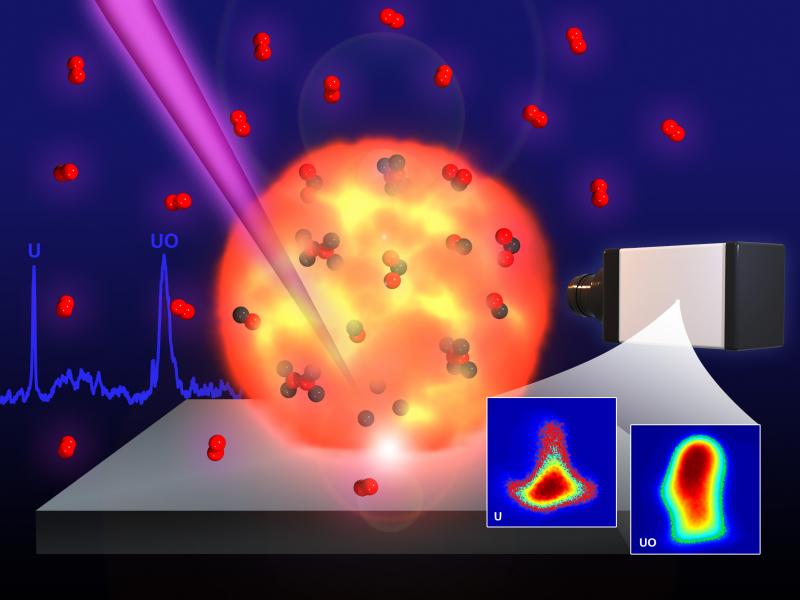
A team of researchers is working to expand our uranium chemistry understanding using a surprising tool: lasers. This capability gives never-before-seen insight into uranium gas-phase oxidation during nuclear explosions.