PNNL team has developed and implemented a generalizable computational framework to study the resilience of the multilayered London Rail Network to the compound threat of intense flooding and a targeted cyberattack.
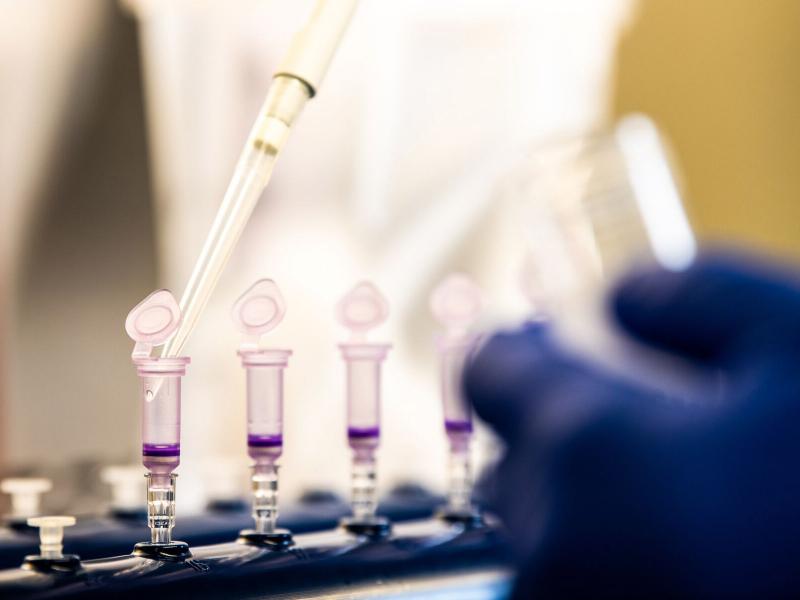
The nation’s ability to test for COVID-19 has expanded, thanks to work at Pacific Northwest National Laboratory, where scientists have established the performance of testing equipment to detect the virus.
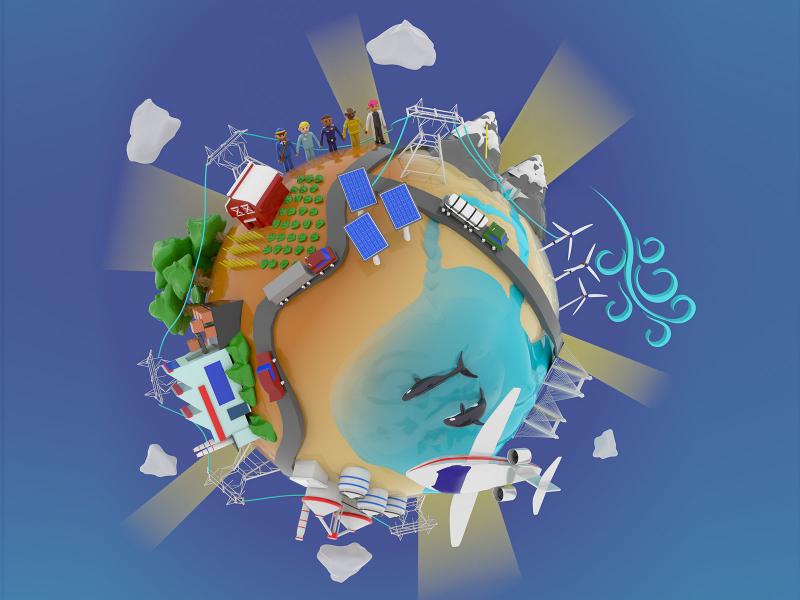
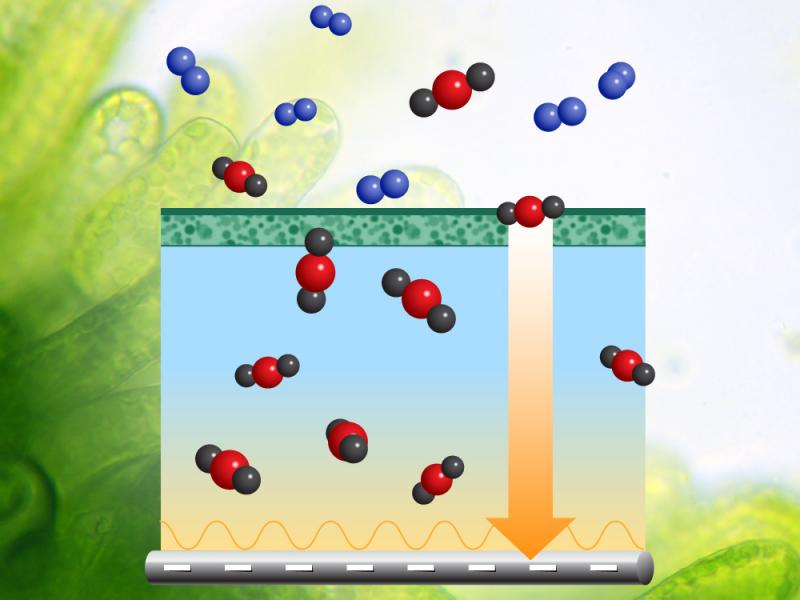
In a new review, PNNL researchers outline how to convert stranded biomass to sustainable fuel using electrochemical reduction reactions in mini-refineries powered by renewable energy.
Kristin Omberg, group leader of the Chemical and Biological Signatures group at Pacific Northwest National Laboratory (PNNL), was featured in a series focused on highlighting women scientists working in the Pacific Northwest.
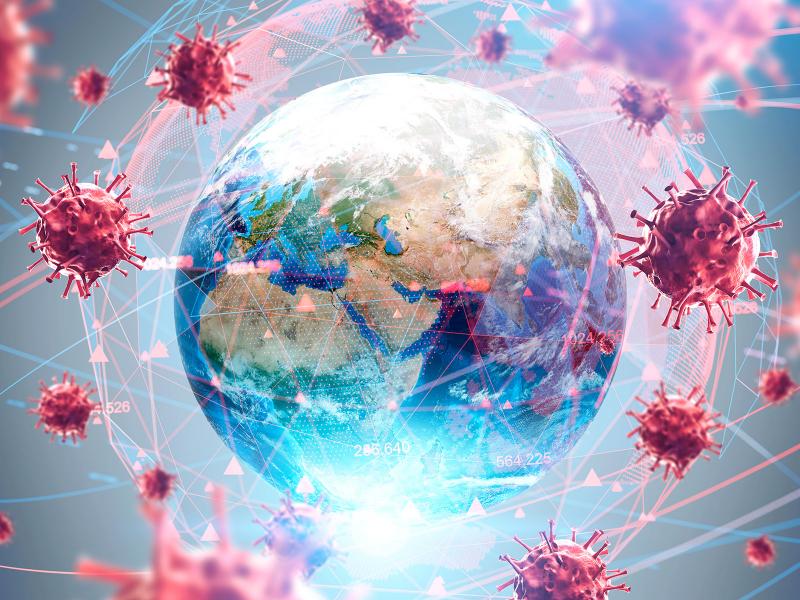
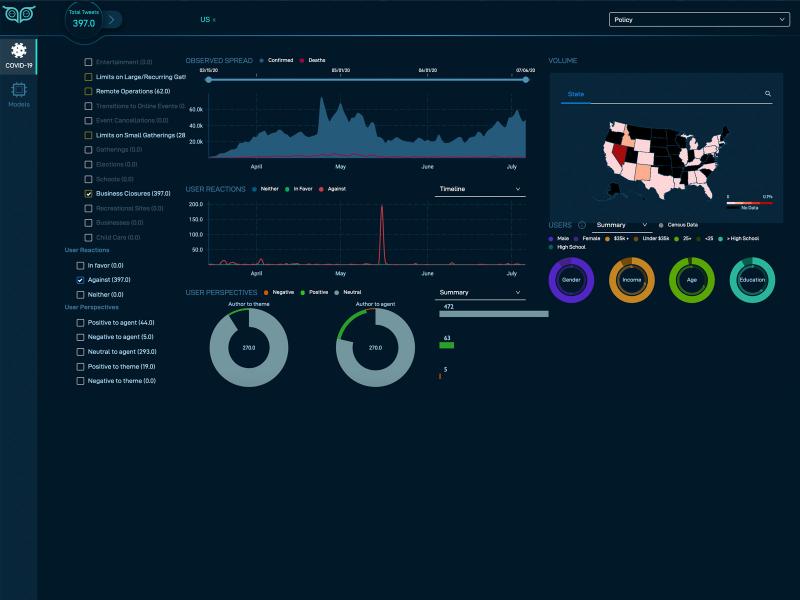
PNNL scientists have created a tool called WatchOwl to collect more than 4 million tweets per day related to the COVID-19 pandemic. The tool analyzes tweets related to interventions like social distancing and movement restrictions.
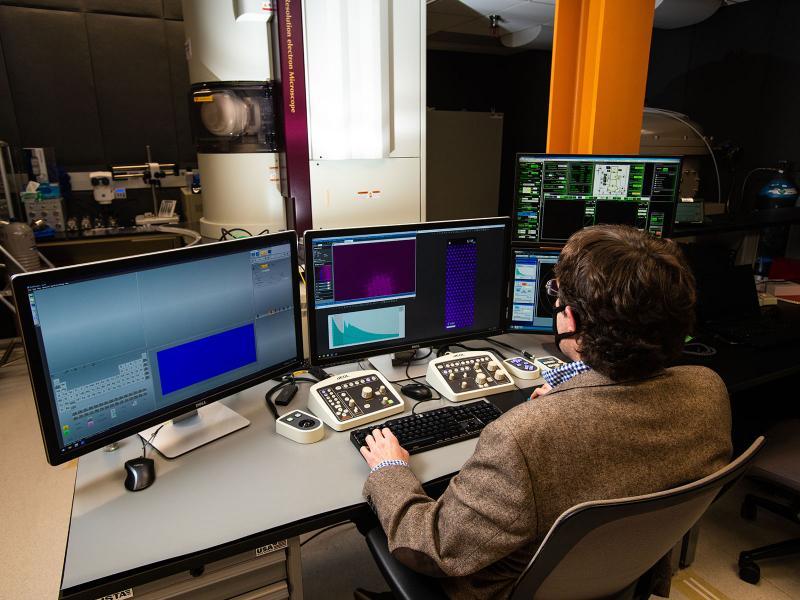
An international team used PNNL microscopy to answer questions about how uranium dioxide—used in nuclear power plants—might behave in long-term storage.
PNNL has added to its expanding list of universities and nonprofit research institutions through joint appointments by adding North Carolina State University (NCSU) to the portfolio.
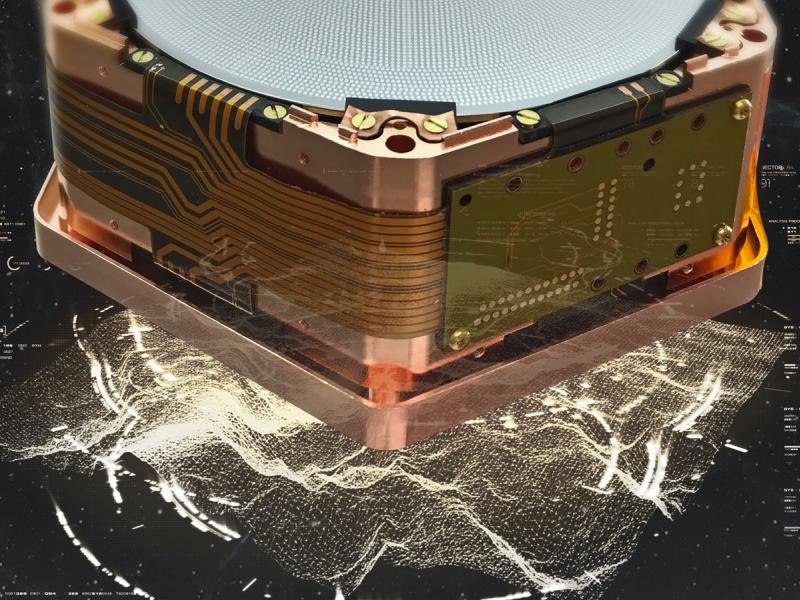
Radiation from natural sources in the environment can limit the performance of superconducting quantum bits, known as qubits. The discovery has implications for quantum computing and for the search for dark matter.
A cadre of physical scientists, engineers and computing experts at Pacific Northwest National Laboratory is poised to participate in the launch of three new DOE Office of Science-sponsored quantum information science research centers.
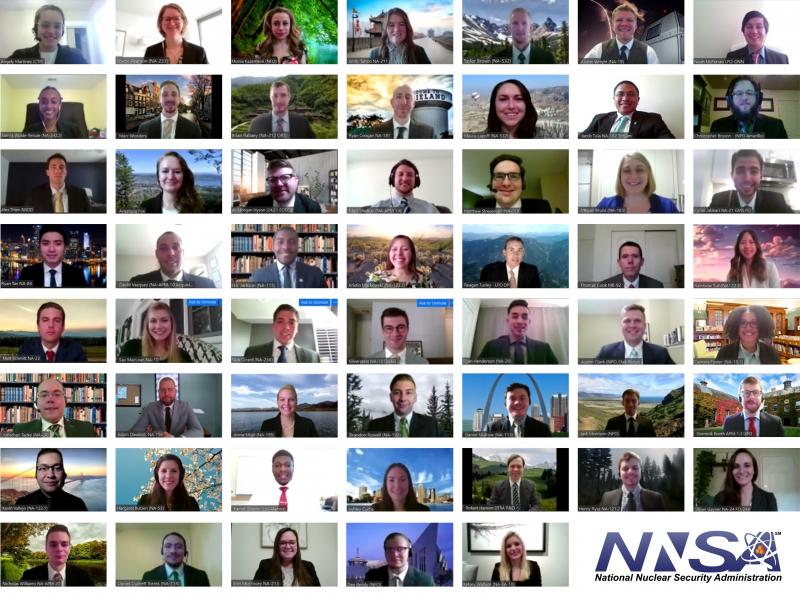
The National Nuclear Security Administration Graduate Fellowship Program has welcomed aboard the Class of 2020—53 graduate students placed (virtually for now) with offices across the nuclear security enterprise.
Contributions from researchers across Pacific Northwest National Laboratory (PNNL) were recently recognized in the preliminary findings of a Secretary of Energy Advisory Board (SEAB) report.
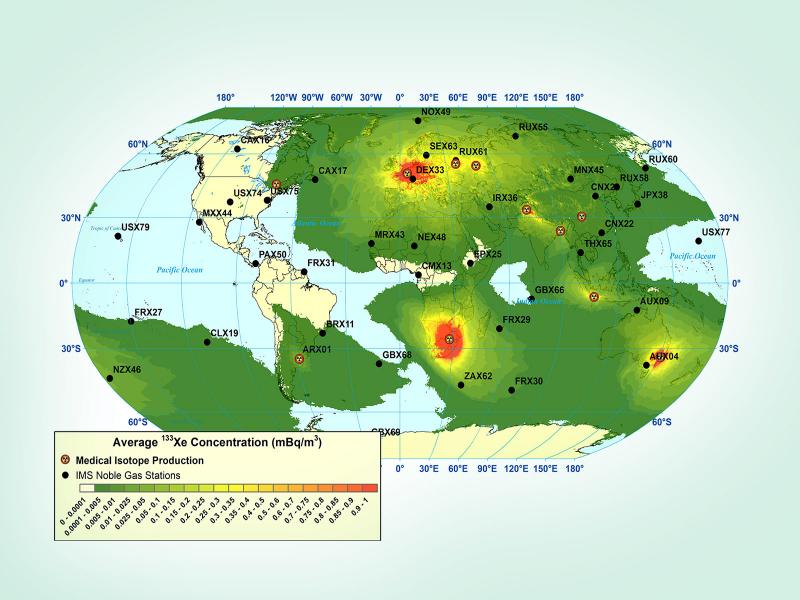
Scientists at PNNL have contributed much of the nuclear science that underlies an international monitoring system designed to detect nuclear explosions worldwide. The system detects radioxenon anywhere on the planet.
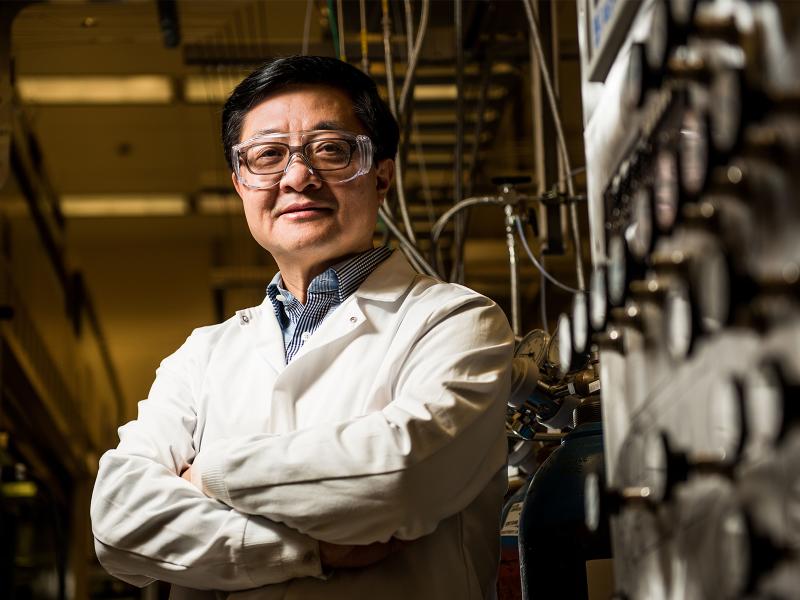
Yong Wang, associate director of PNNL’s Institute for Integrated Catalysis, has been recognized with 2021 American Chemical Society’s E.V. Murphree Award in Industrial and Engineering Chemistry.