Six renowned catalysis experts participated this fall in a PNNL speaker series that focused on plastic deconstruction and the prospects for the synthesis of renewable, biodegradable plastics.
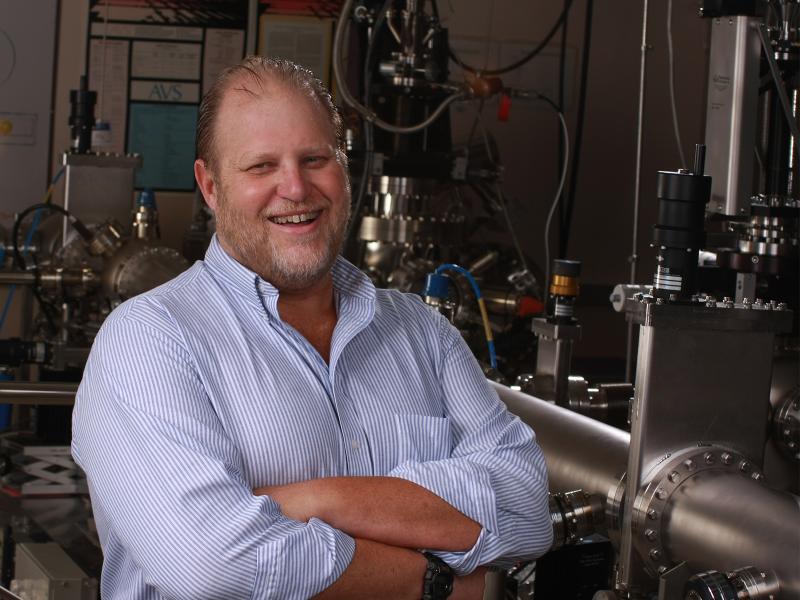
Beginning in 2021, PNNL chemical physicist Bruce Kay begins a three-year term as an AVS trustee, part of a six-member committee responsible for overseeing the administration of student scholarships and major society awards.
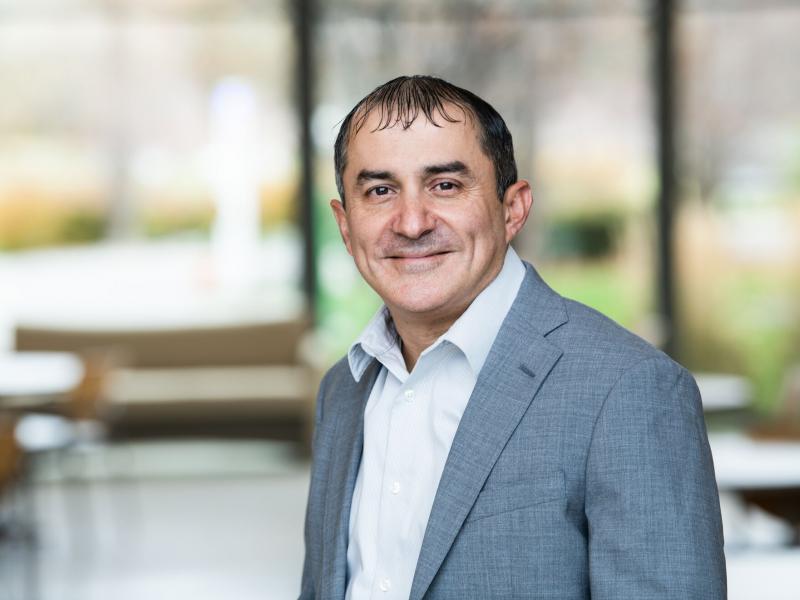
Rey Suarez was the keynote speaker at the Preparatory Commission of the Comprehensive Nuclear-Test-Ban Treaty Organization’s Specialized Technical Meeting on Preventive and Predicative Maintenance of the International Monitoring System.
This committee represents the country’s soil science community in the International Union of Soil Sciences, advises The National Academies, and communicates with professional societies and organizations.
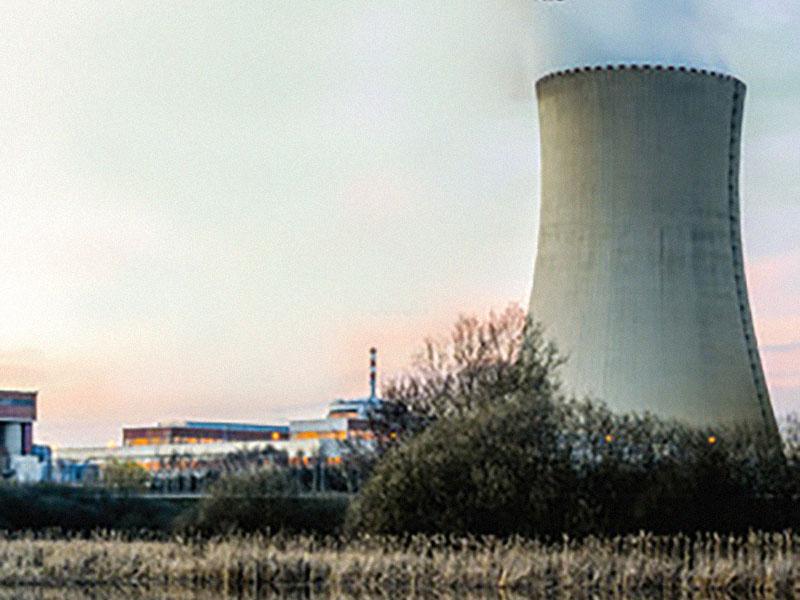
Magazine cover article—“Combating corrosion in the world’s nuclear reactors”—features PNNL research leaders Mark Nutt, Aaron Diaz, and Mychailo Toloczko.
Lu honored for "elucidating design principles of artificial metalloproteins to gain novel and deeper insights into the structure and function of natural systems."
PNNL’s Steven Spurgeon, a materials scientist, was recently elected leader of the Microscopy Society of America (MSA) aberration-corrected microscopy focused interest group.
The project received an Innovative and Novel Computational Impact on Theory and Experiment (INCITE) award, a highly competitive U.S. Department of Energy Office of Science program.
In a new video series, PNNL is highlighting six scientific and technical experts in the national security domain throughout the fall. Each was promoted to scientist and engineer Level 5, one of PNNL’s most senior research roles.
A perspective article in the Journal of the American Chemical Society by a team of PNNL researchers shows the way forward to understand ammonia oxidation.
Brian Milbrath, a physicist in PNNL’s National Security Directorate, was named a senior member of the Institute of Electrical and Electronics Engineers (IEEE).
NIH awarded $1.7 million to researchers from PNNL, WSU, and NREL to continue fundamental research into catalytic bias—a phenomenon in the protein environment that shifts the direction and speed of an enzyme’s catalytic reaction.
Writing in the journal Nature Chemistry, PNNL materials scientists Jim De Yoreo and Benjamin Legg provides context to new work showing how single atoms organize into clusters that seed crystal growth
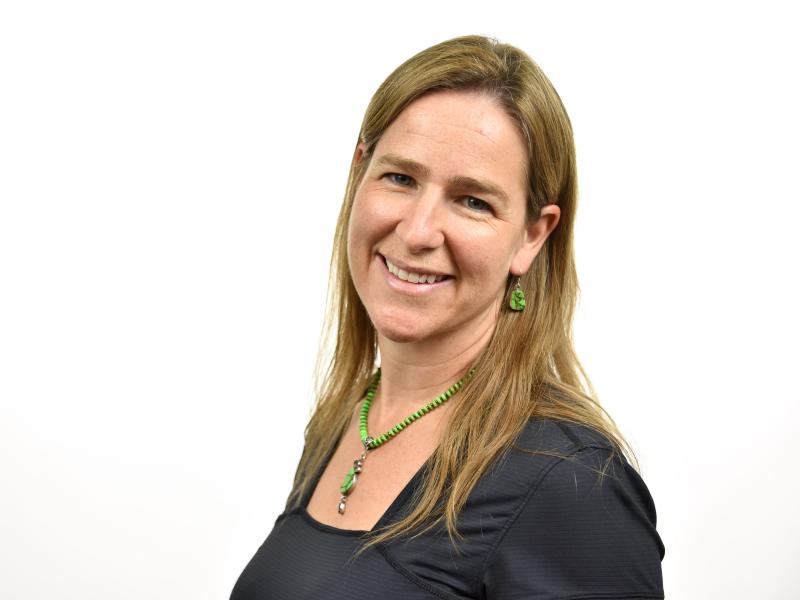
Sharon Hammes-Schiffer, deputy director of the Center for Molecular Electrocatalysis (CME), has received awards from both the Royal Society of Chemistry and the American Chemical Society.