PNNL forensic toxicologist has been invited to serve on a committee of experts charged with improving U.S. strategies for preventing, countering, and responding to chemical terrorism threats.
The Triton Initiative highlights different creative science communications, including photography, writing, and science art, and the impact they have on the project's marine energy research.
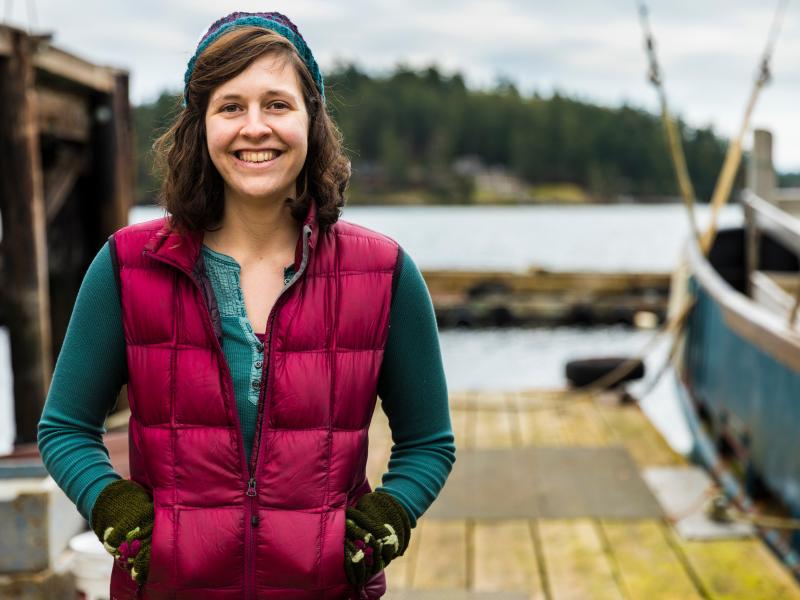
Molly Grear, an ocean engineer in the Coastal Sciences Division at PNNL, recently helped middle school summer science camp students from Blatchley Middle School in Sitka, Alaska, design their own energy wave converters.
PNNL has received 119 R&D 100 Awards since 1969, when the laboratory began submitting entries in the contest that recognizes top 100 inventions each year.
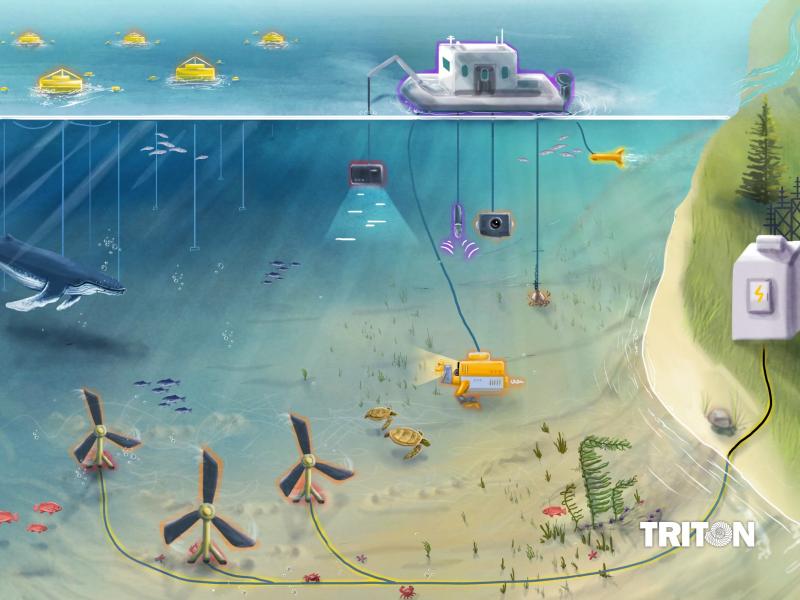
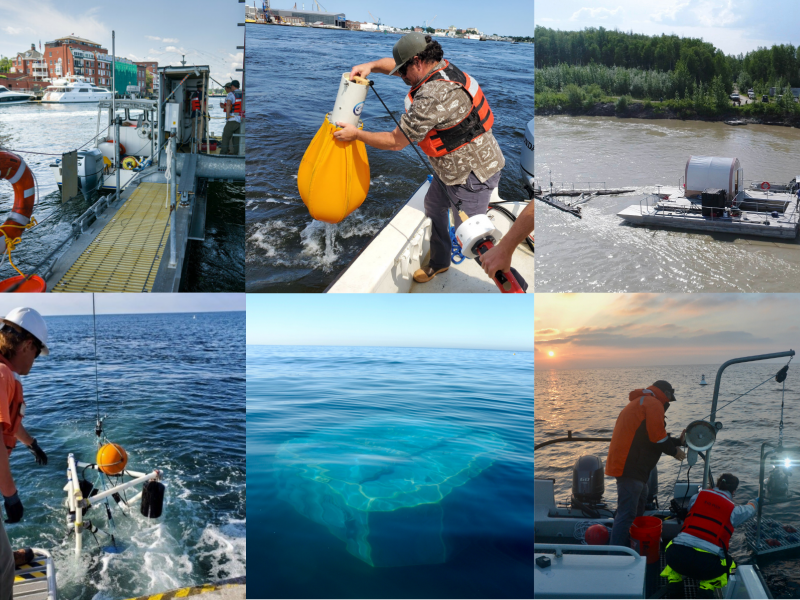
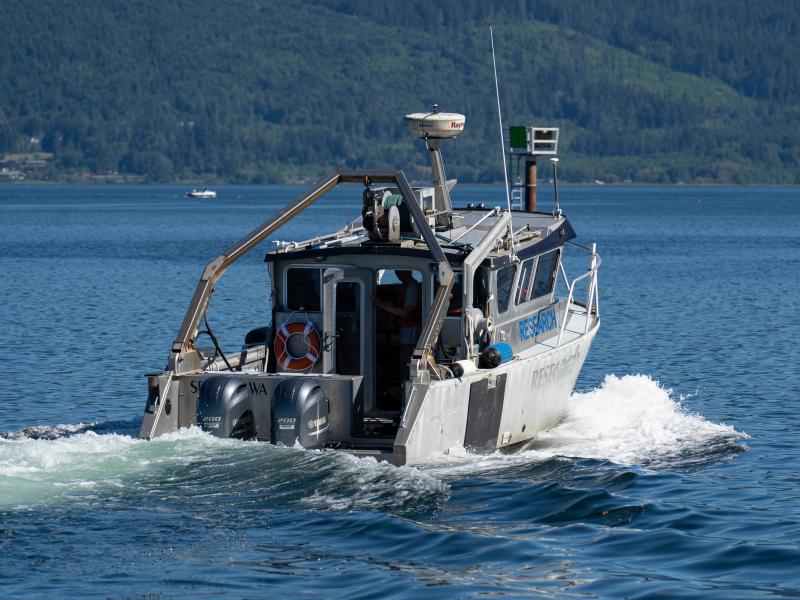
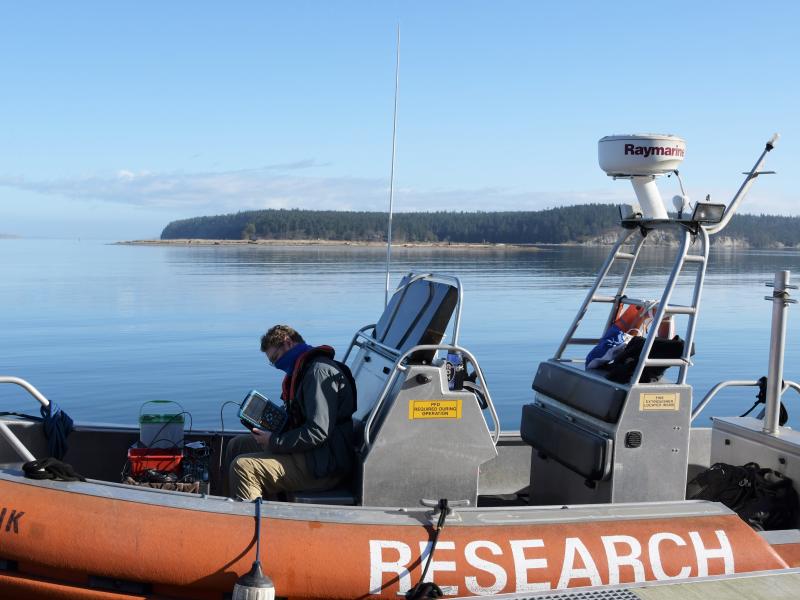
The Triton Initiative supports projects funded through U.S. Department of Energy funding opportunity announcements developing environmental monitoring technologies for marine energy.
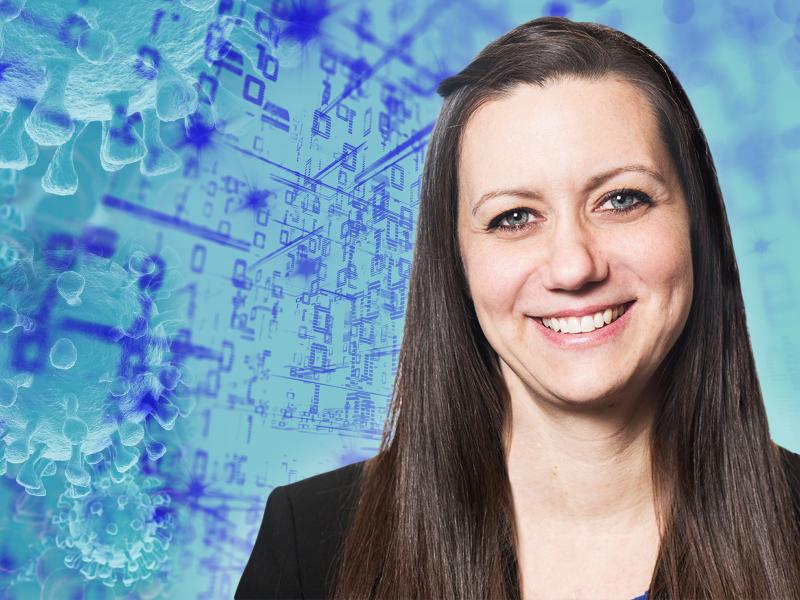
A Q&A with Lauren Charles, veterinarian and PNNL data scientist, on zoonotic diseases and the role biosurveillance plays in mitigating the growing threat to global health.
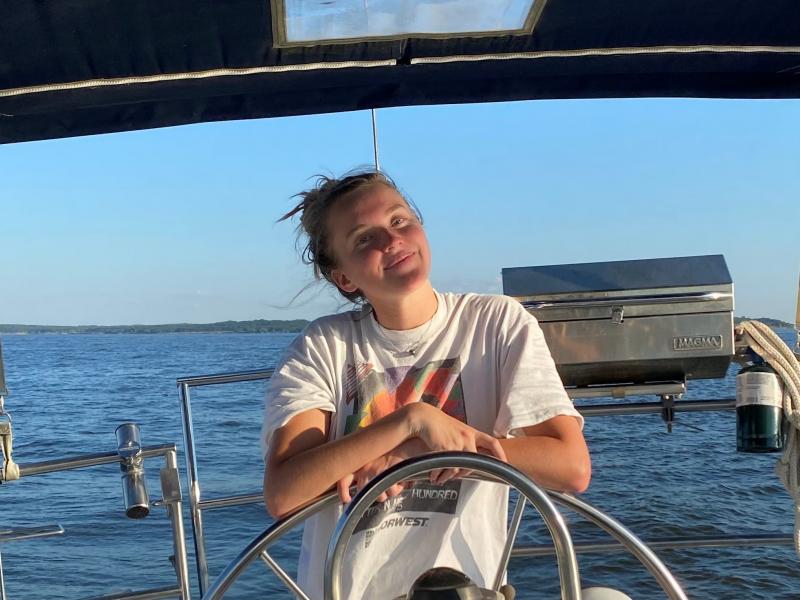
Cailene Gunn discusses her work in science communication and how she communicates the Triton Initiative's research to help advance the marine energy industry.
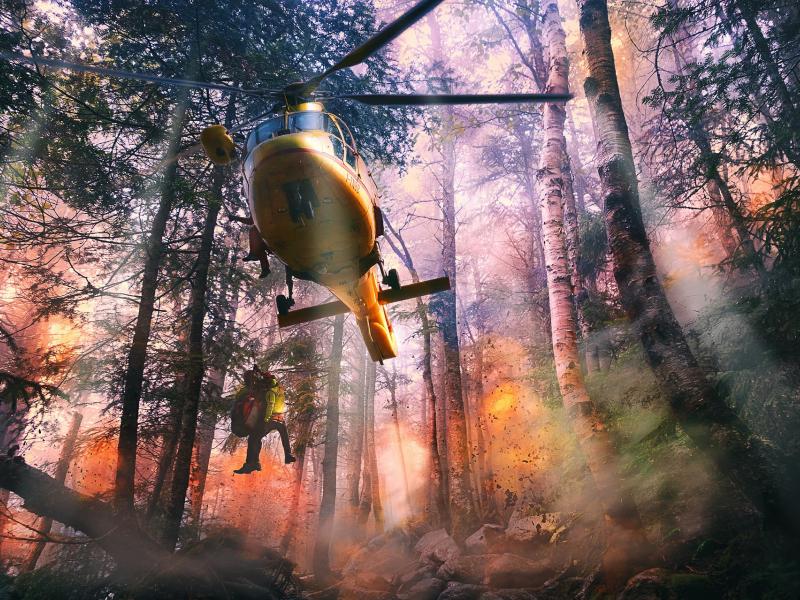
PNNL combines AI and cloud computing with damage assessment tool to predict path of wildfires and quickly evaluate the impact of natural disasters, giving first responders an upper hand.
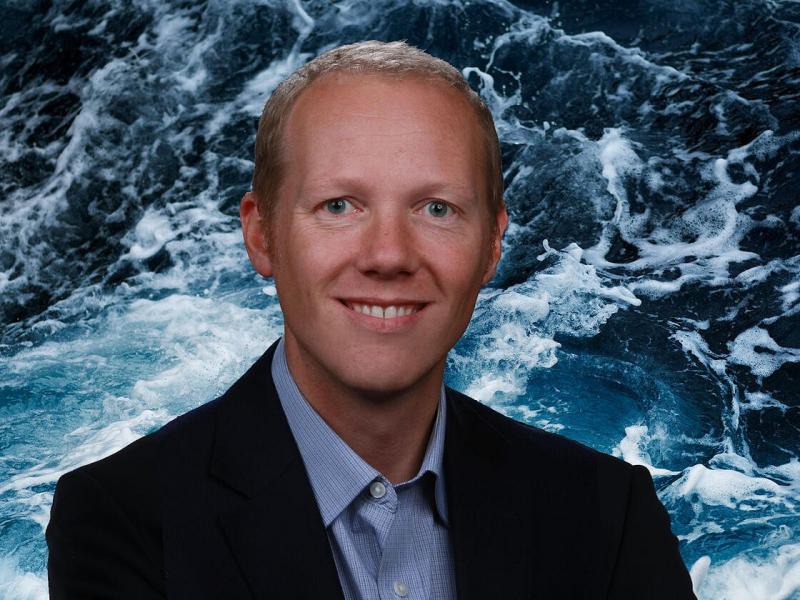
Samantha Eaves discusses the future of marine energy and her role with Triton from the Department of Energy Water Power Technologies Office perspective.
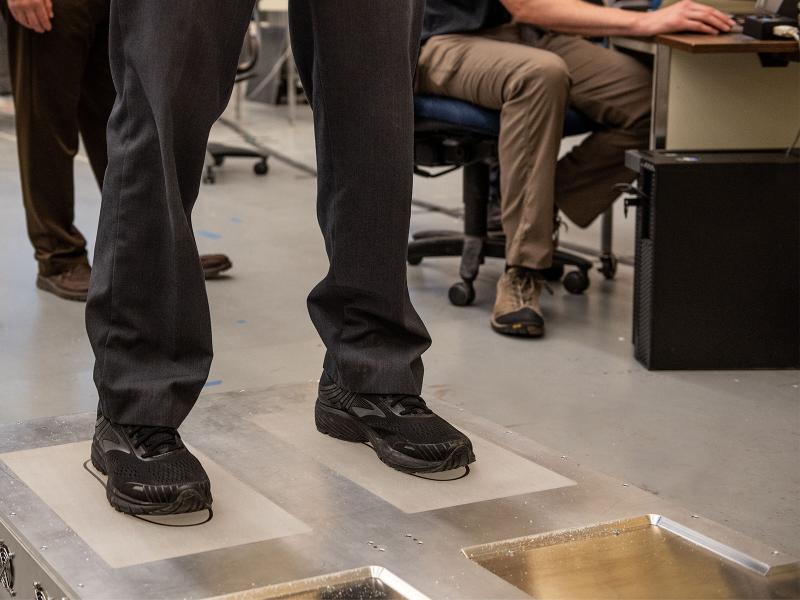
A shoe scanner may allow people passing through security screening to keep their shoes on. PNNL built the scanner based on the same technology it used to develop airport scanners. It's licensed to Liberty Defense.
One year ago, Verizon announced a partnership that made PNNL the U.S. Department of Energy’s first national laboratory with Verizon 5G ultra-wideband wireless technology.