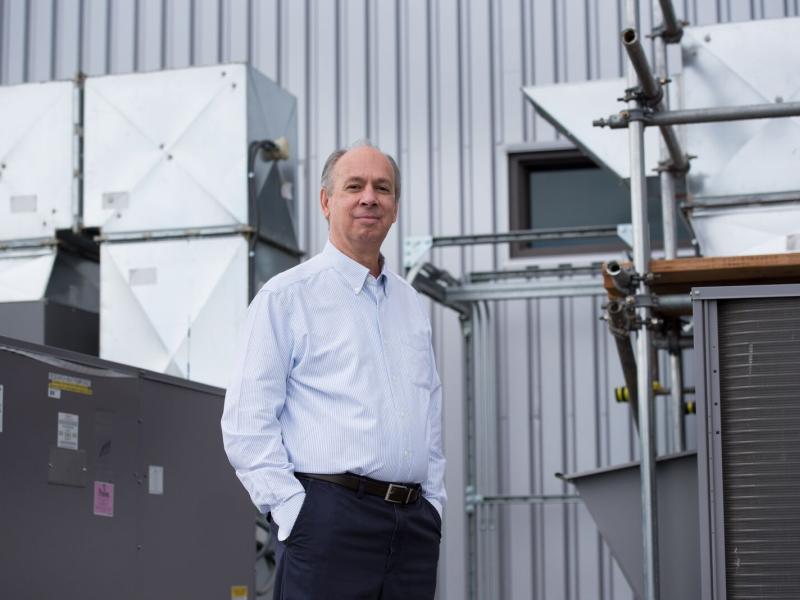
David Heldebrant was selected for the 2025 Distinguished Service Award from the American Chemical Society Division of Energy & Fuels, recognizing his impact to energy and fuels chemistry.
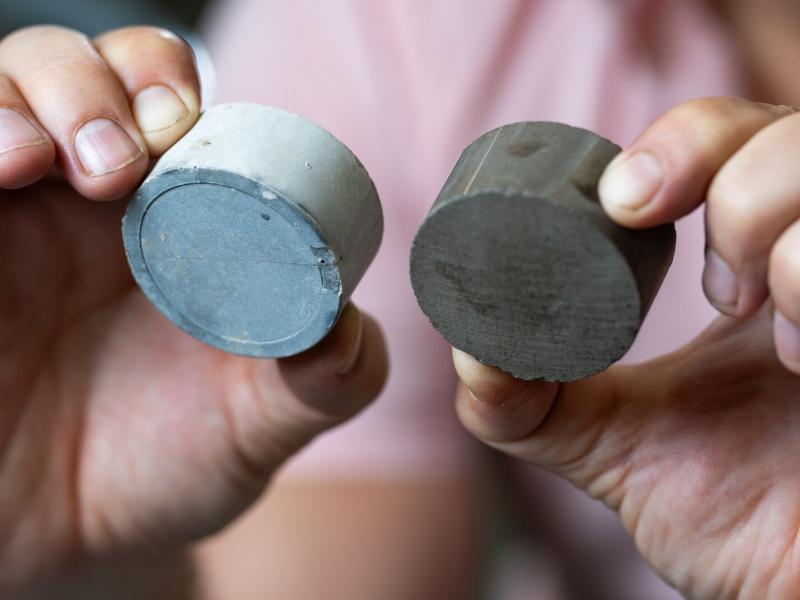
PNNL researchers have found yet another way to turn trash into treasure: using algal biochar, a waste production from hydrothermal liquefaction, as a supplementary material for cement.
Mandy Mahoney, director of the DOE Building Technologies Office, visited PNNL in late November. One key agenda item involved meeting with staff for a discussion of effective equity and justice integration in buildings-related research.
Across the United States, organic carbon concentration imposes a primary control on river sediment respiration, with additional influences from organic matter chemistry.
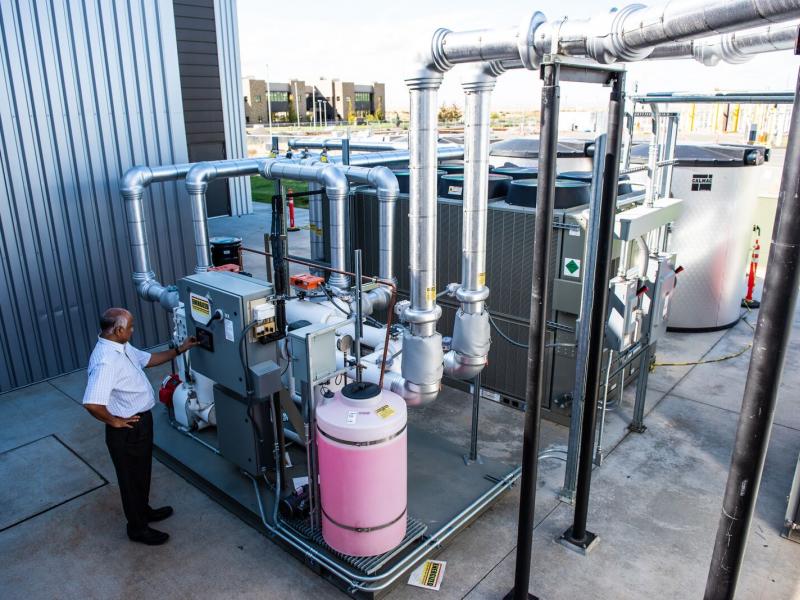
PNNL scientists carve a path to profit from carbon capture by creating a system that efficiently captures CO2 and converts it into one of the world’s most widely used chemicals: methanol.
Staff at PNNL recently completed a report highlighting commercial products enabled through projects funded by the Department of Energy’s Building Technologies Office.
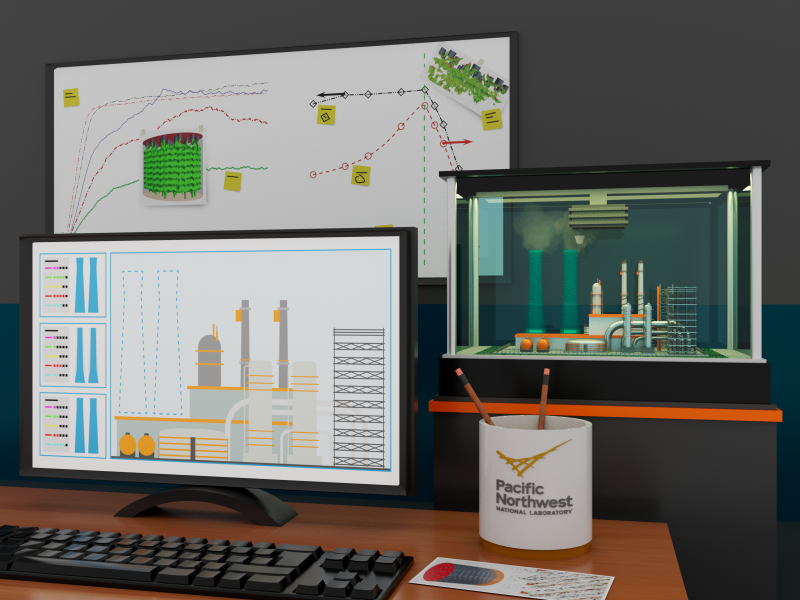
A new perspective article discusses how integrating carbon dioxide capture and conversion in solvents can lead to cheaper and more efficient carbon management systems.
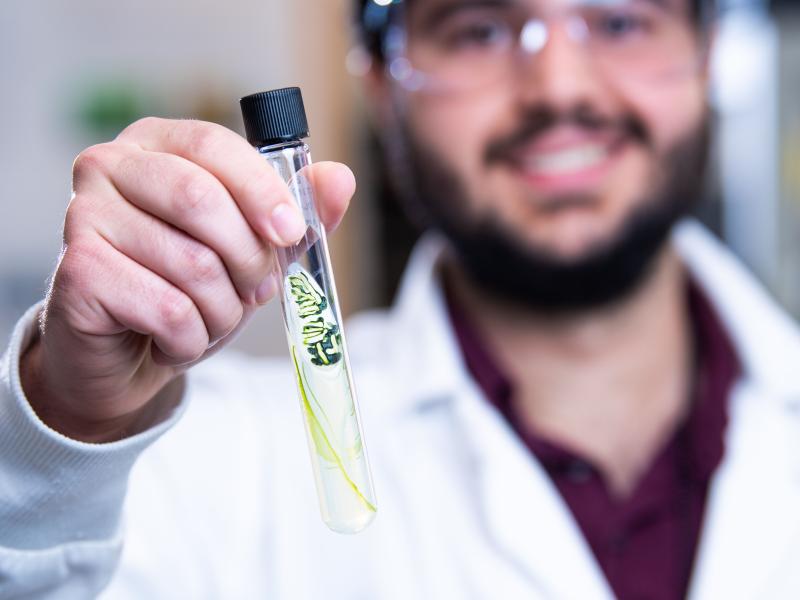
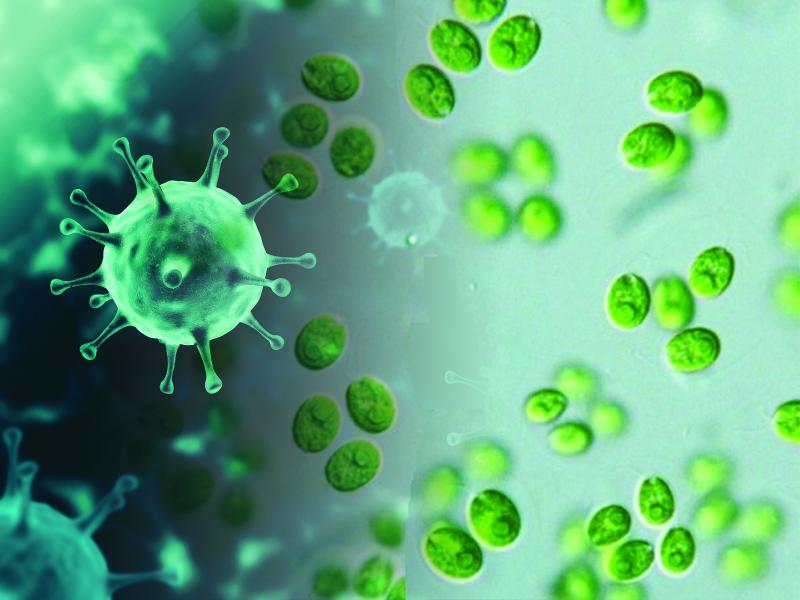
A comprehensive literature review linking algae and antivirals determines compounds in algae may demonstrate an exceptional—and as yet untapped—potential to combat viral diseases at every point along the viral infection pathway.
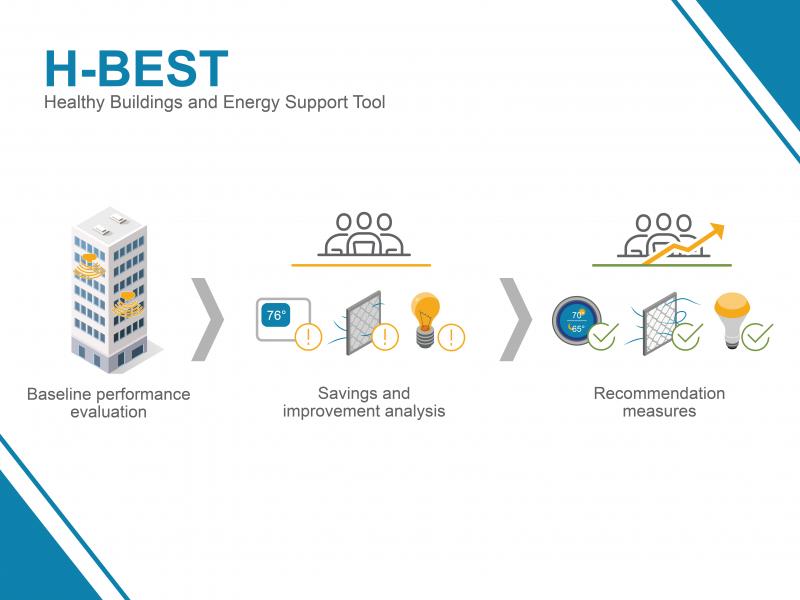
The first customized resource of its kind, H-BEST analyzes the indoor environmental quality profile for buildings and helps its users identify the costs and benefits of improvements.
PNNL’s Supriya Goel has been named by Consulting-Specifying Engineer as one of 2021’s 40 outstanding nonresidential building industry professionals age 40 or younger.
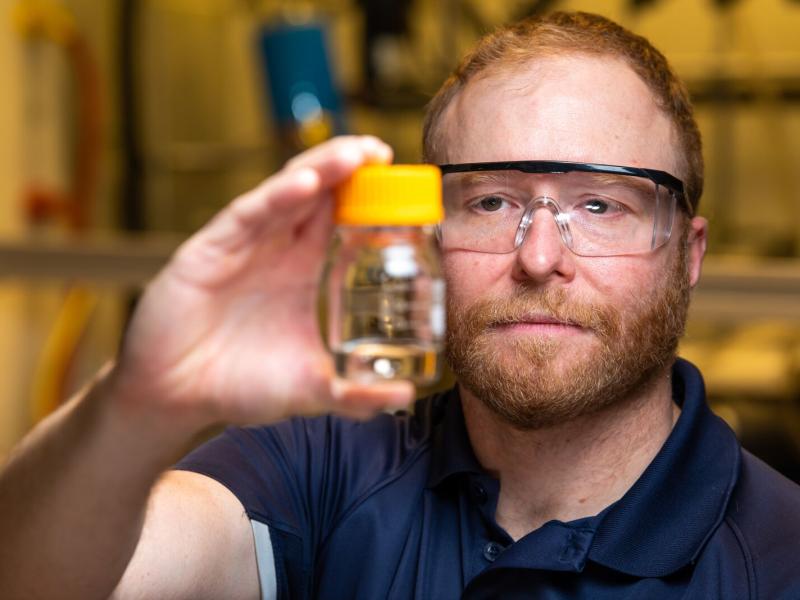
PNNL’s newest solvent captures carbon dioxide from power plants for as little as $47.10 per metric ton, marking a significant milestone in the journey to lower the cost of carbon capture.