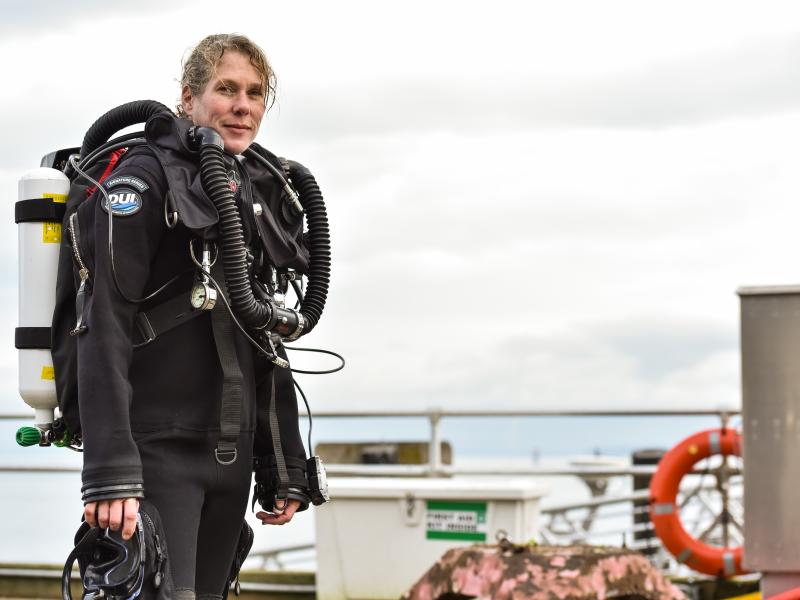
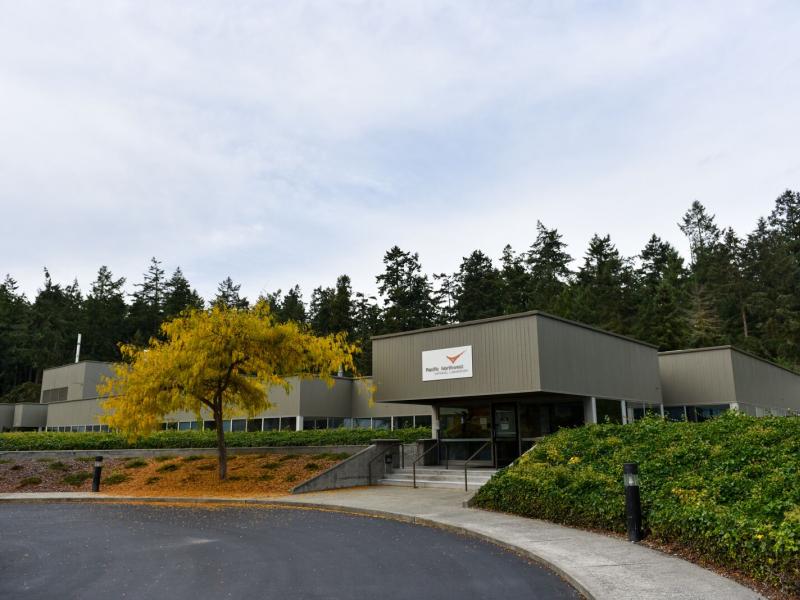
The Marine and Coastal Research Laboratory (MCRL), part of PNNL, in Sequim, Washington, is the U.S. Department of Energy’s only marine research facility. It has a rich history and expanding research scope.
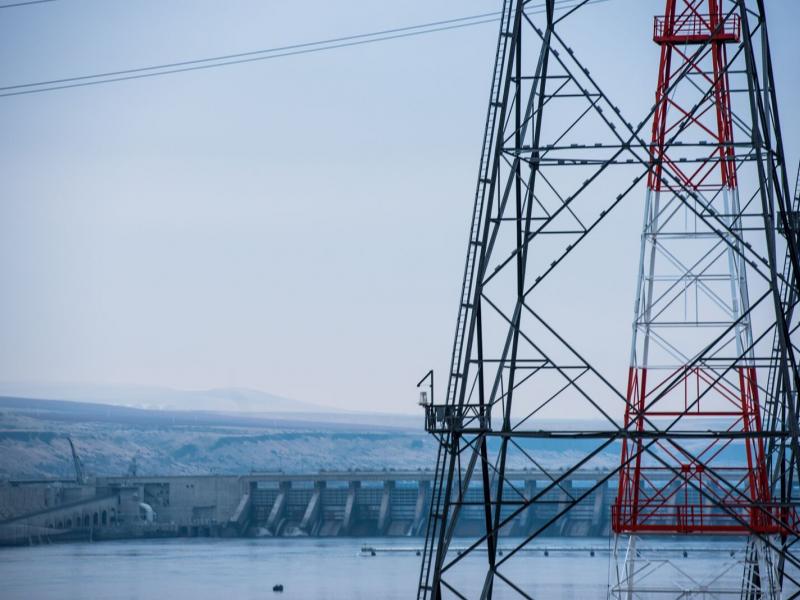
PNNL has published a report that sets the foundation for modeling gaps and technical challenges in optimizing hydropower operations for both energy production and water management.
California and other areas of the U.S. Southwest may see less future winter precipitation than previously projected by climate models, according to new research that corrects for a long-standing model error: the double-ITCZ bias.
Water and energy researchers are invited to join a new task force as a way to collaborate broadly on the intersection of the two topics. The task force is part of IEEE's Power and Energy Society and was launched by PNNL and UU researchers.
PNNL has earned “Best Paper” at an international resilience conference for research on hydropower’s capabilities and constraints in the event of extreme events, like hurricanes and rolling blackouts.
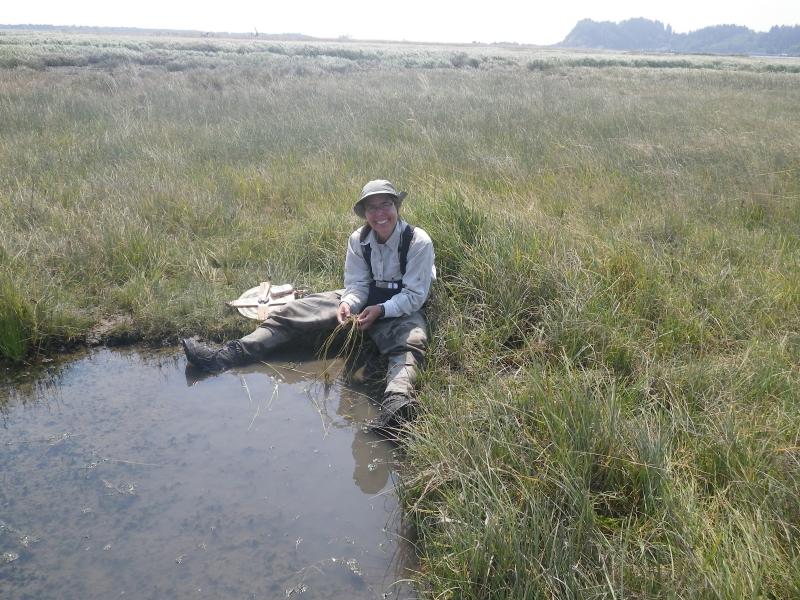
Culminating 10 years of study, researchers at PNNL’s Marine and Coastal Research Laboratory developed a new predictive framework for estuarine–tidal river research and management.
PNNL biologists have developed a more efficient way to estimate salmon survival through dams that uses solid science but saves over 42 percent of the cost.
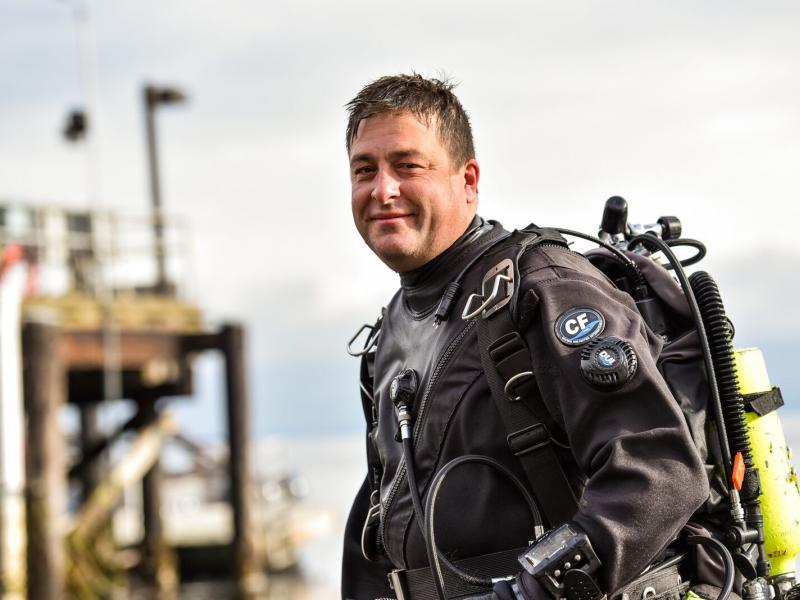
Ecological modeler Kate Buenau discusses how the Triton Initiative can use modeling to predict potential environmental effects of marine energy systems.
Lenaïg Hemery, a marine energy specialist with Pacific Northwest National Laboratory, has been appointed to the position of topic editor for the Journal of Marine Science and Engineering.
Electrical engineer Nolann Williams supports technical development for DOE-funded projects building marine energy environmental monitoring technologies.
On World Oceans Day, an international team of marine scientists reports that the potential impact of marine renewable energy to marine life is likely small or undetectable, though some uncertainty remains.
The Federal Laboratory Consortium for Technology Transfer has honored three innovations at the U.S. Department of Energy’s Pacific Northwest National Laboratory.