PNNL-developed Water Balance Tool estimates consumption for major water end-uses. Understanding the breakout of water use identifies water efficiency opportunities and allows facility managers to spot potential system losses.
PNNL created an assessment method and maturity model that helps manufacturers building products for the power grid implement consistent cybersecurity best practices throughout their development lifecycle.
Ann Lesperance, national security advisor, joins the National Academies of Sciences, Engineering, and Medicine Committee on Applied Research Topics for Hazard Mitigation and Resilience.
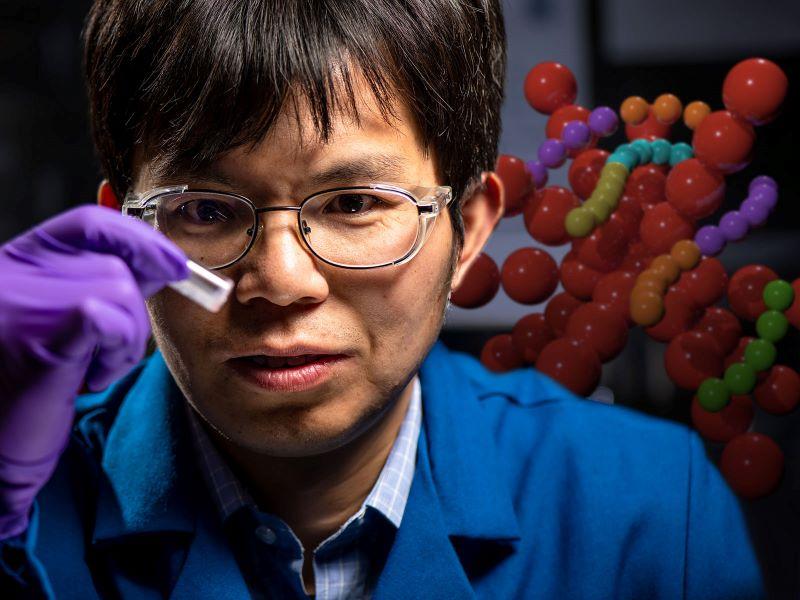
A new review paper led by senior research scientist Chun-Long Chen and featured on the cover of Accounts of Chemical Research summarizes advances by PNNL scientists in developing sequence-defined peptoids.
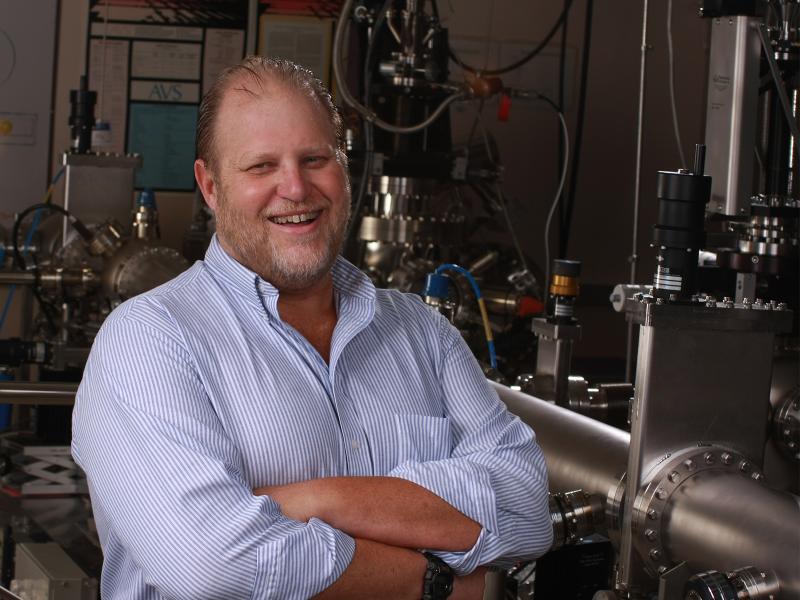
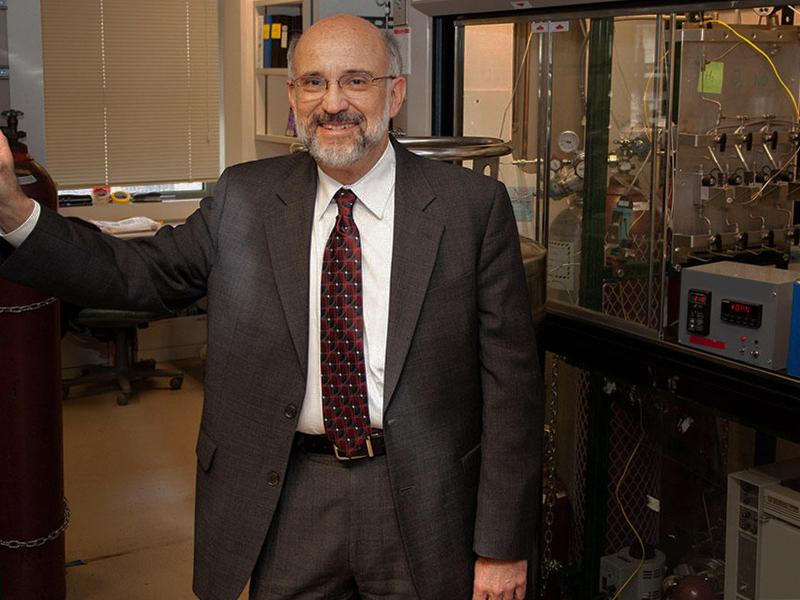
Beginning in 2021, PNNL chemical physicist Bruce Kay begins a three-year term as an AVS trustee, part of a six-member committee responsible for overseeing the administration of student scholarships and major society awards.
The Facility Cybersecurity toolkit, developed by PNNL, is designed for federal facilities to help implement the presidential executive order on cybersecurity, but it is also available for commercial facilities without charge.
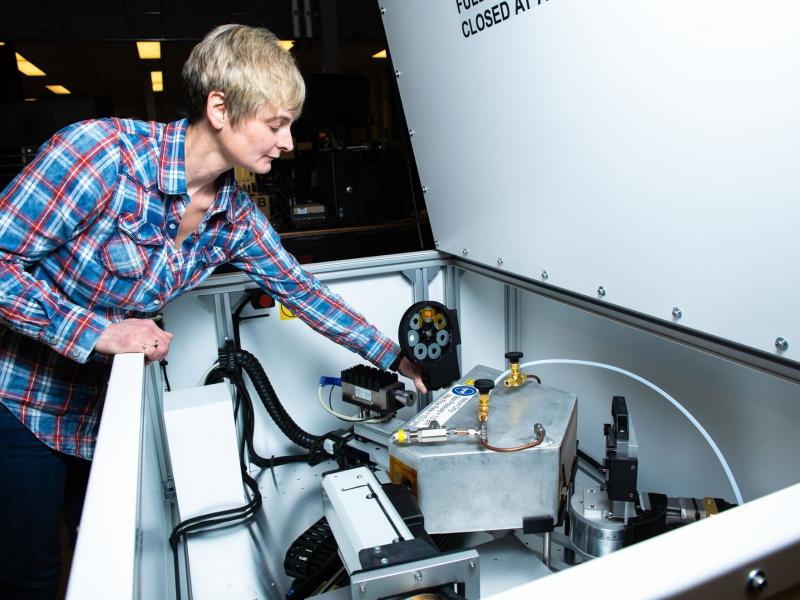
PNNL has three small-scale spectroscopy devices that are speeding up the testing and analysis of candidate novel materials used in energy storage research and environmental remediation.
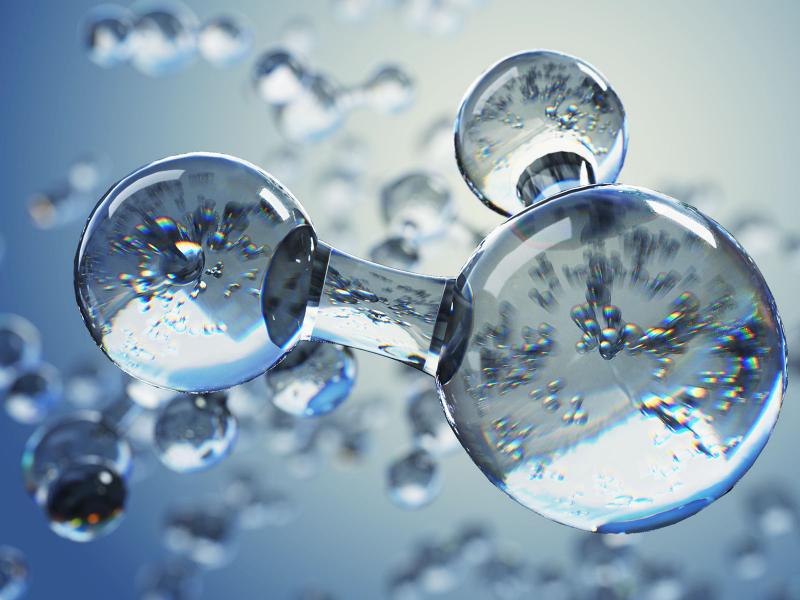
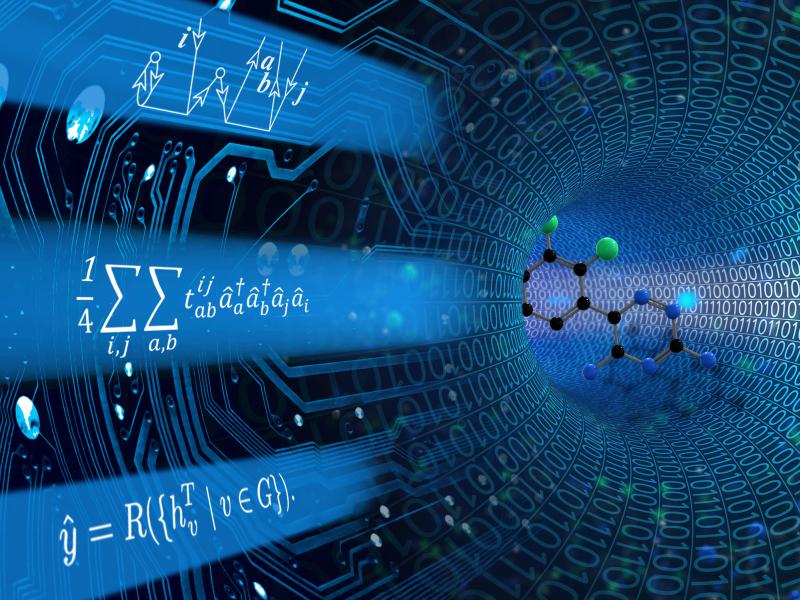
Pacific Northwest National Laboratory researchers used machine learning to explore the largest water clusters database, identifying—with the most accurate neural network—important information about this life-essential molecule.
First-ever measurements provide evidence that supercooled water exists in two distinct structures that co-exist and vary in proportion dependent on temperature.