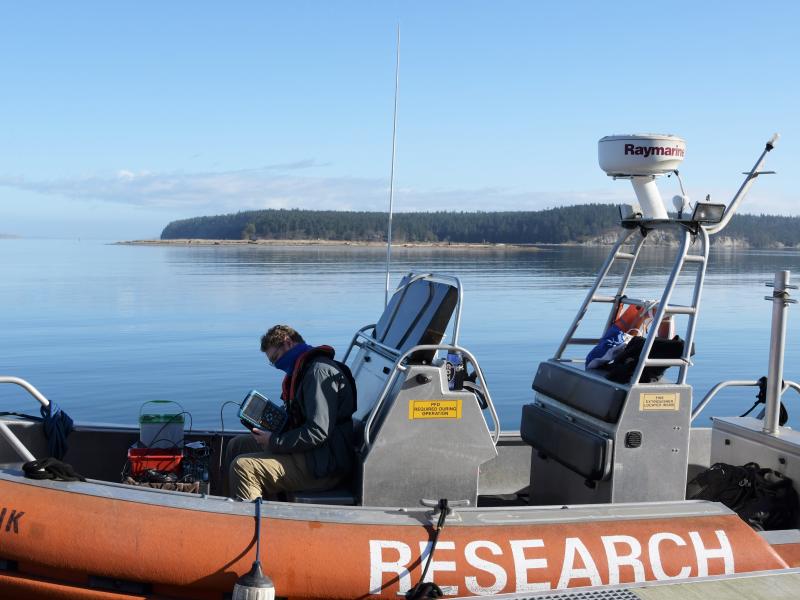
The Triton Initiative supports projects funded through U.S. Department of Energy funding opportunity announcements developing environmental monitoring technologies for marine energy.
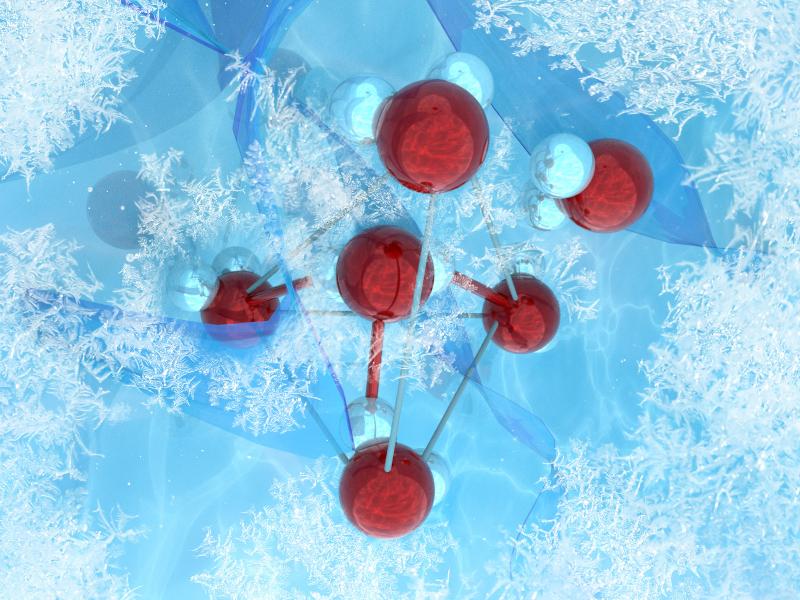
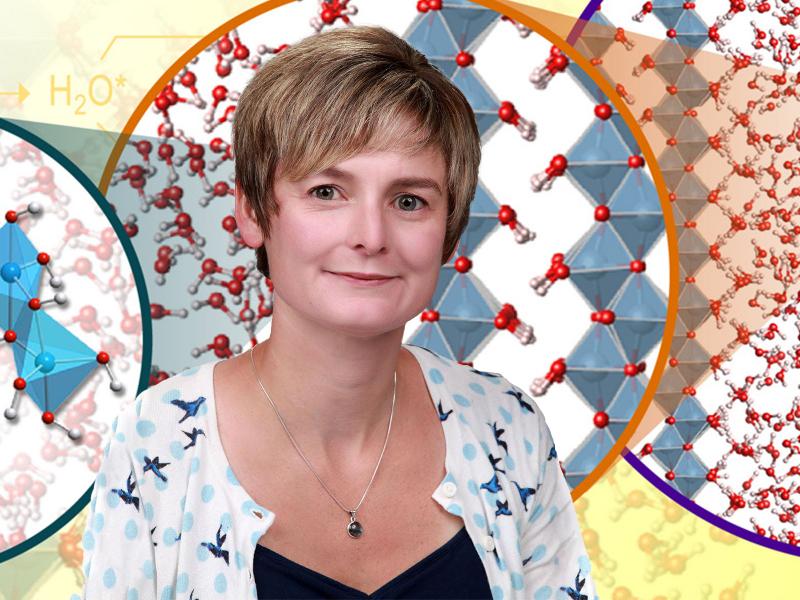
New study elucidates the complex relaxation kinetics of supercooled water using a pulsed laser heating technique at previously inaccessible temperatures.
Cailene Gunn discusses her work in science communication and how she communicates the Triton Initiative's research to help advance the marine energy industry.
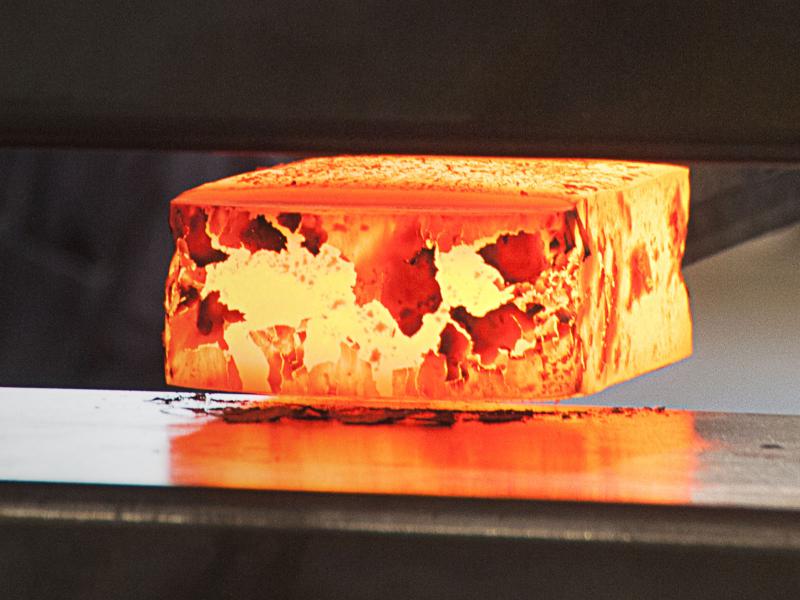
Machine learning techniques are accelerating the development of stronger alloys for power plants, which will yield efficiency, cost, and decarbonization benefits.
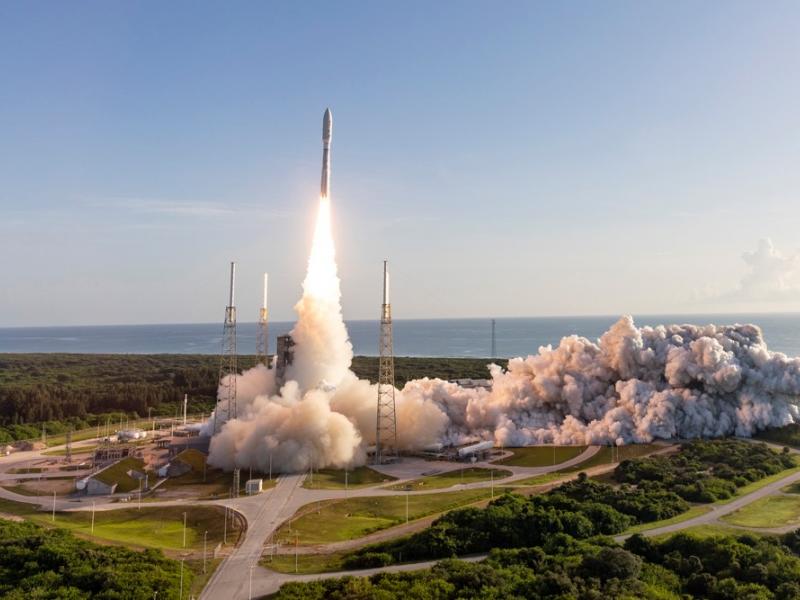
Risk analysis on the plutonium-fueled power system that supplies electricity to the Mars rover answered the “what if” nuclear safety questions for NASA.
Samantha Eaves discusses the future of marine energy and her role with Triton from the Department of Energy Water Power Technologies Office perspective.
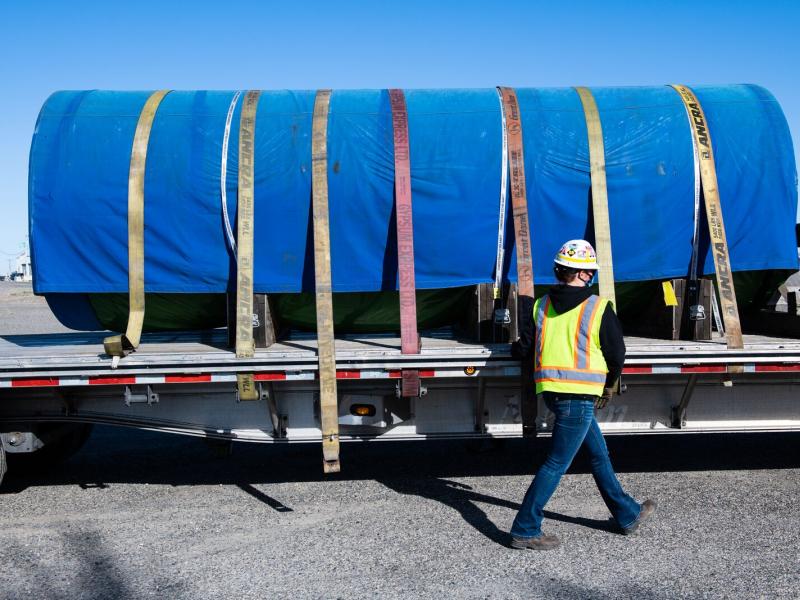
Three unused, 48,000-pound stainless steel canisters arrived at PNNL, bringing the chance to deepen research in spent nuclear fuel storage and transportation.
The U.S. Department of Energy has awarded funding to PNNL for the design and construction of a hybrid research vessel and an underwater testbed to be located at PNNL-Sequim.
PNNL radiochemist and research manager Patricia Paviet named National Technical Director for the Molten Salt Reactor (MSR) Program by the U.S. Department of Energy’s Office of Nuclear Energy.
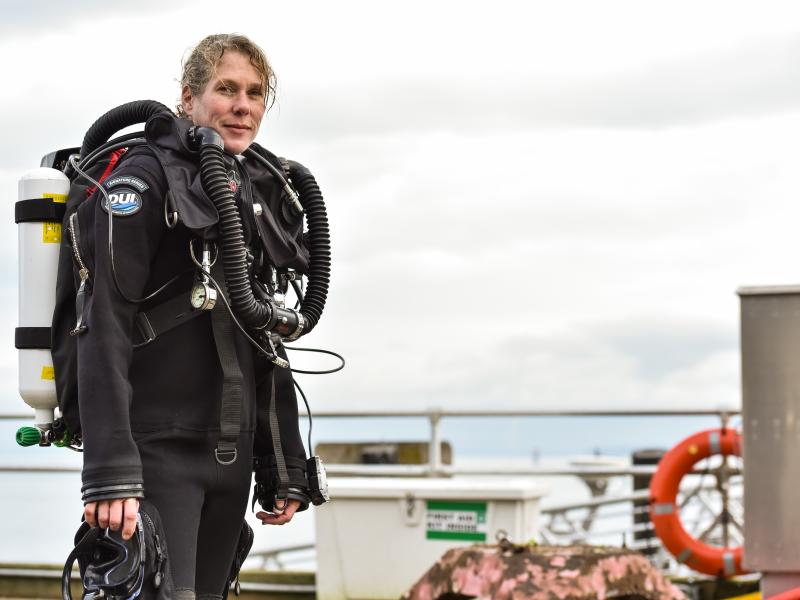
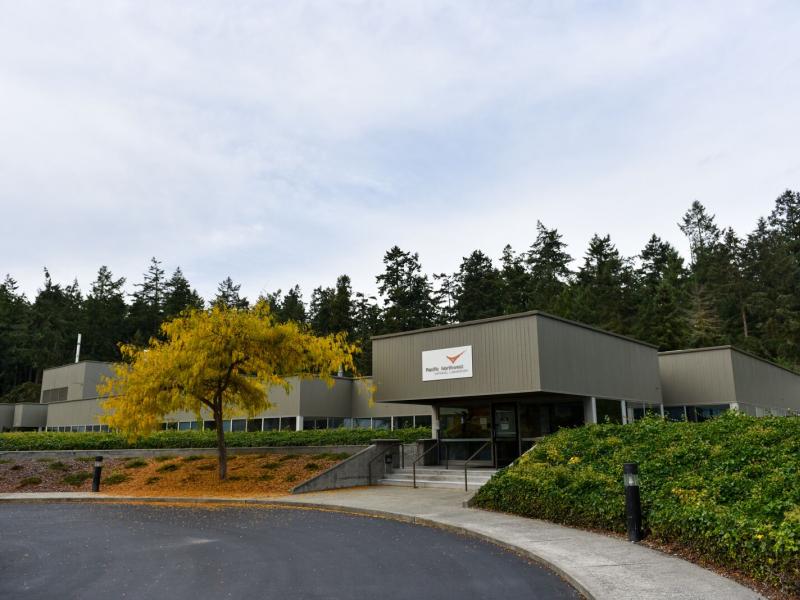
The Marine and Coastal Research Laboratory (MCRL), part of PNNL, in Sequim, Washington, is the U.S. Department of Energy’s only marine research facility. It has a rich history and expanding research scope.