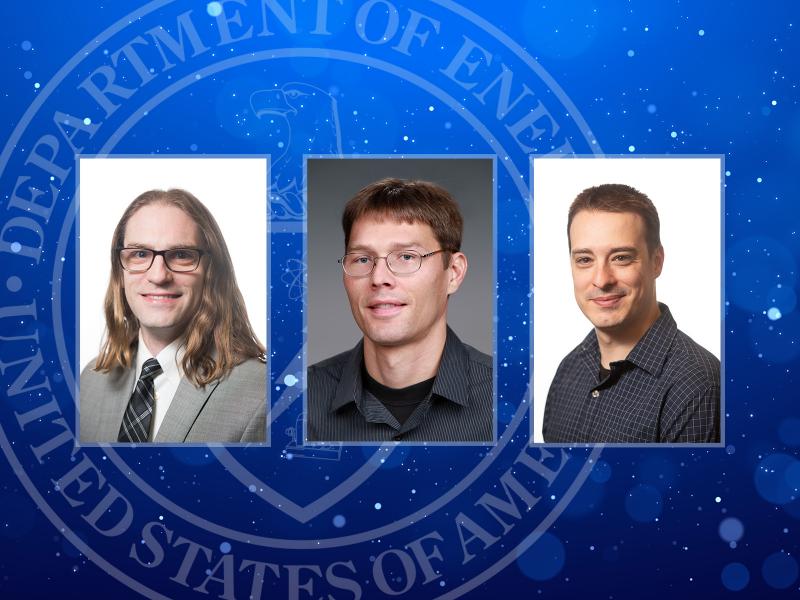
The DOE Early Career Research Program supports exceptional researchers during the crucial early years of their careers and helps advance scientific discovery in fundamental sciences
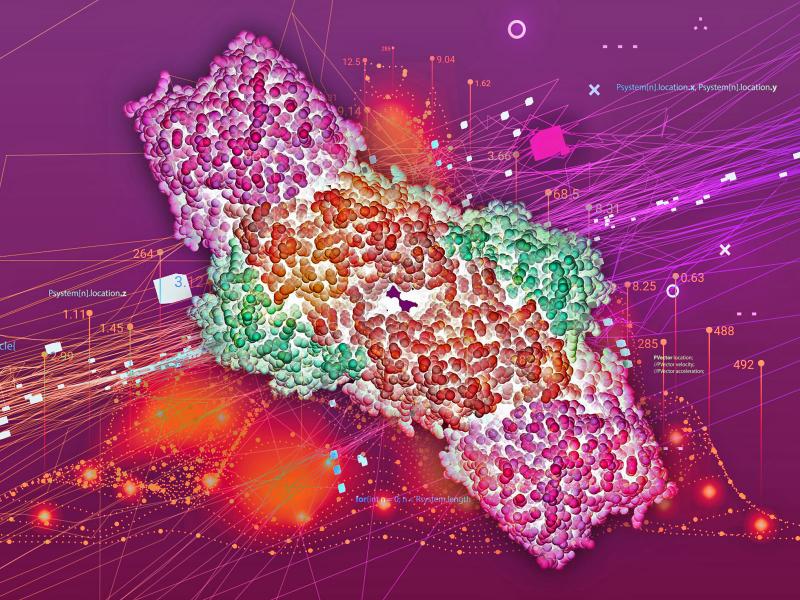
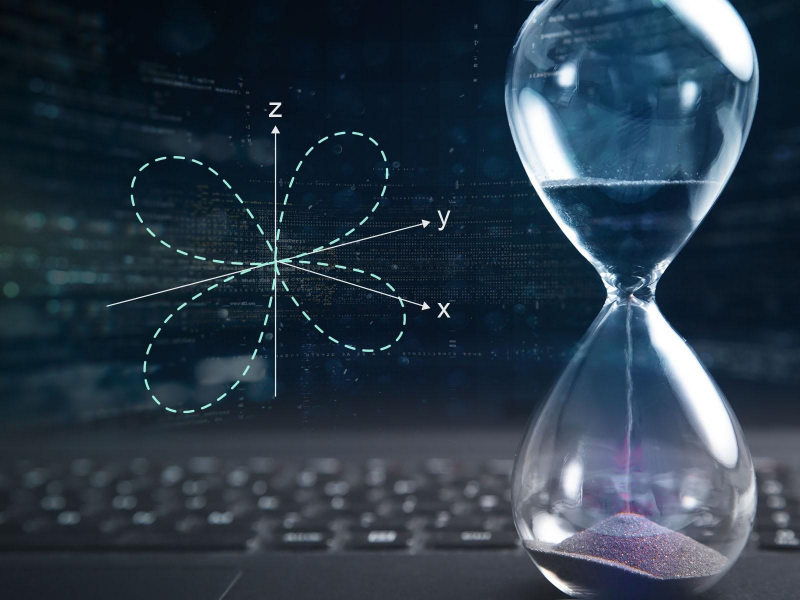
With quantum chemistry, researchers led by PNNL computational scientist Simone Raugei are discovering how enzymes such as nitrogenase serve as natural catalysts that efficiently break apart molecular bonds to control energy and matter.
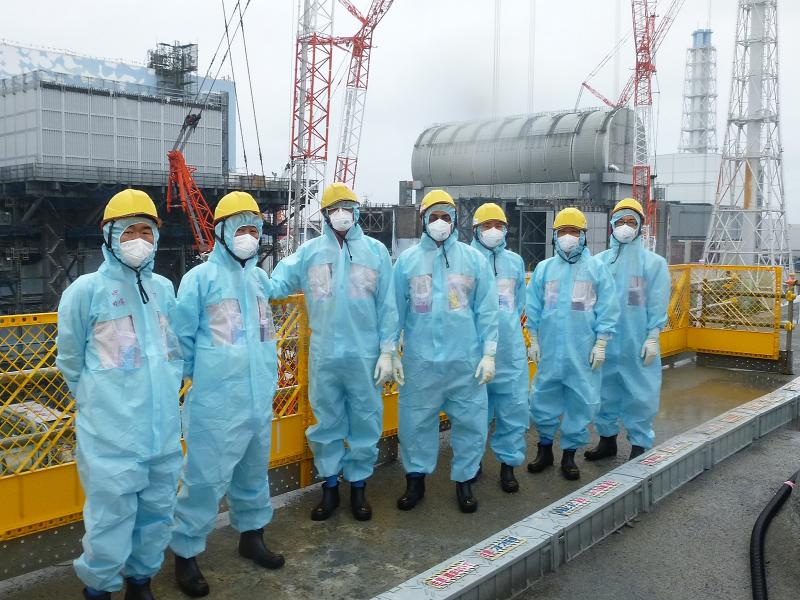
On the looming 10th anniversary of the Fukushima disaster at the Daiichi Power Station in Japan, PNNL looks back at the science and solidarity it has shared with Fukushima and its nuclear cleanup effort.
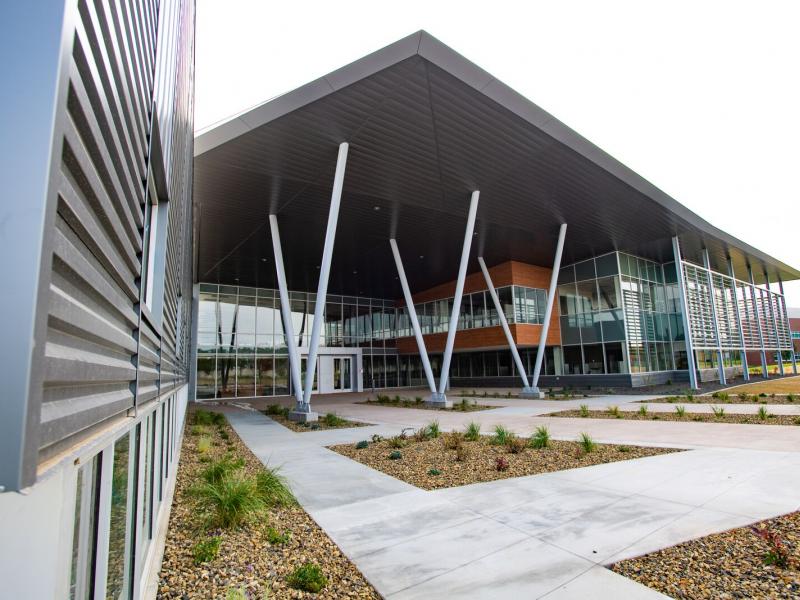
New 140,000-square-foot facility will advance fundamental chemistry and materials science for higher-performing, cost-effective catalysts and batteries, and other energy efficiency technologies.
Beginning in 2021, PNNL chemical physicist Bruce Kay begins a three-year term as an AVS trustee, part of a six-member committee responsible for overseeing the administration of student scholarships and major society awards.
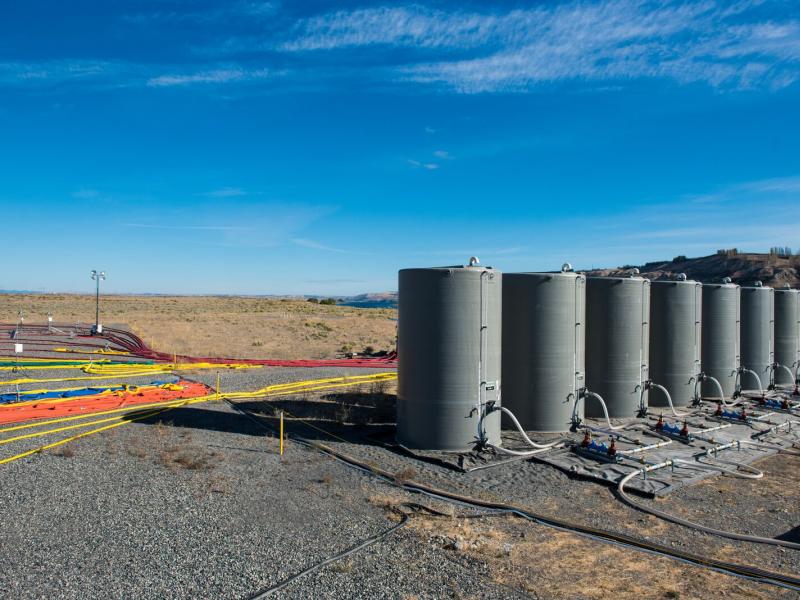
Researchers at Pacific Northwest National Laboratory (PNNL) are closer to understanding how iron may pave the way for sequestration of technetium-99 contaminants in the subsurface.
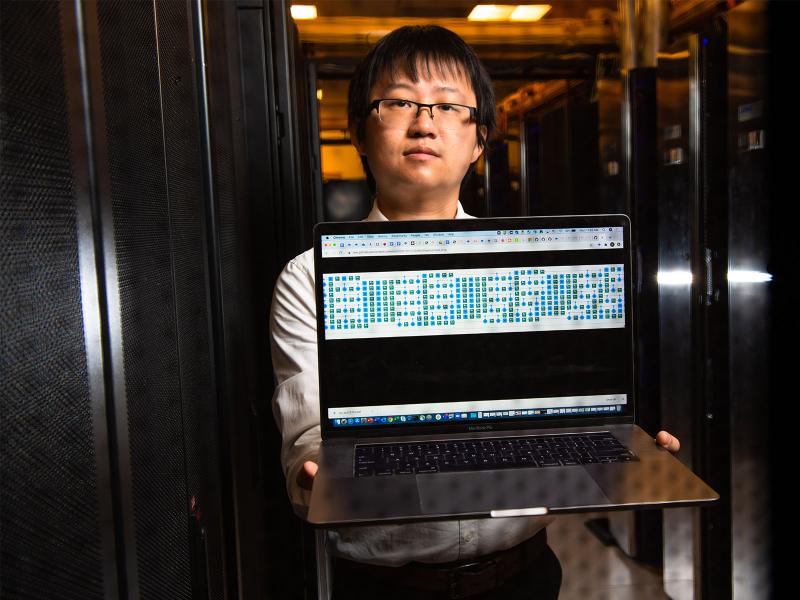
Pacific Northwest National Laboratory researchers developed a graphical processing unit (GPU)-centered quantum computer simulator that can be 10 times faster than any other quantum computer simulator.
Infusing data science and artificial intelligence into electron microscopy could advance energy storage, quantum information science, and materials design.
The American Society for Quality (ASQ) has recognized Laboratory Fellow and Pacific Northwest National Laboratory (PNNL) Statistician Greg Piepel with the William G. Hunter Award.
PNNL ocean engineer Alicia Gorton was invited to serve on the advisory board of the Department of Civil, Environmental, and Ocean Engineering at the Stevens Institute of Technology.
Radiation from natural sources in the environment can limit the performance of superconducting quantum bits, known as qubits. The discovery has implications for quantum computing and for the search for dark matter.