Sharon Hammes-Schiffer, deputy director of the Center for Molecular Electrocatalysis (CME), has received awards from both the Royal Society of Chemistry and the American Chemical Society.
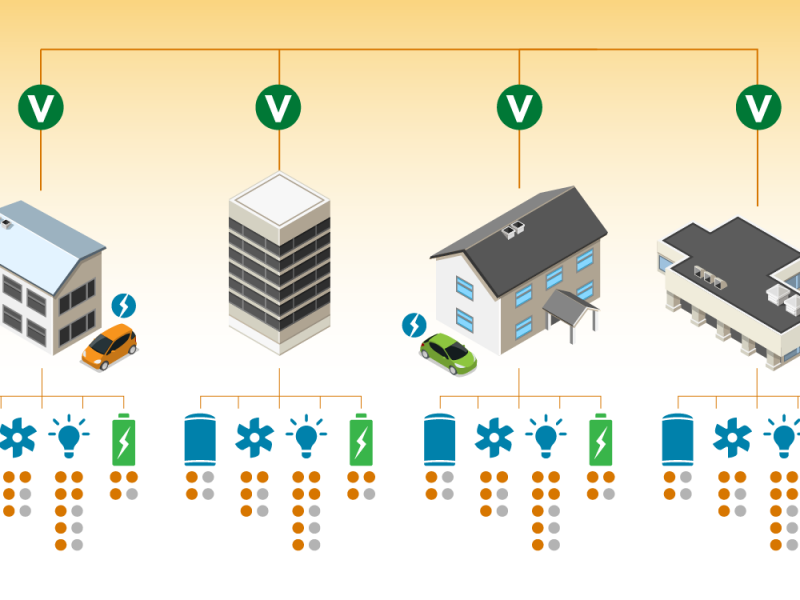
The PNNL-developed VOLTTRON™ software platform’s advancement has benefited from a community-driven approach. The technology has been used in buildings nationwide, including most recently on a university campus.
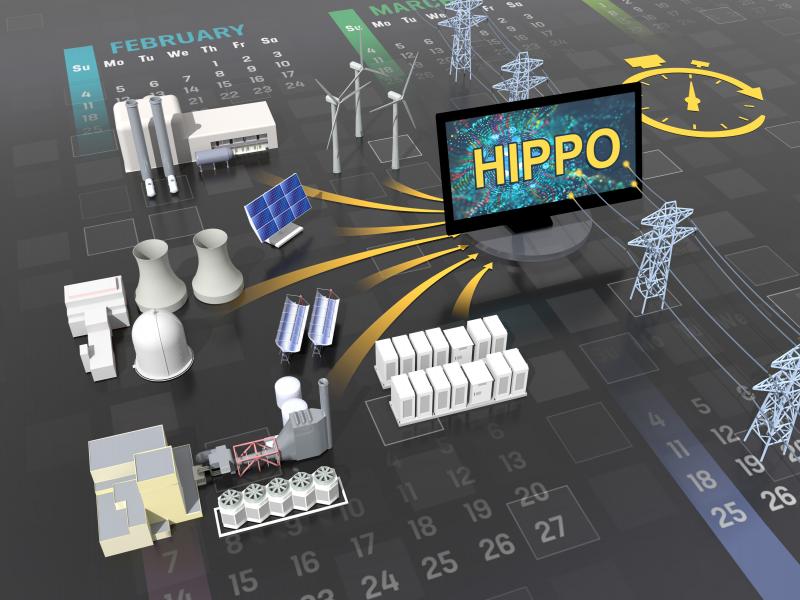
Making sure there’s enough electricity at the lowest price is a critical endeavor undertaken daily by electricity market operators. Now, there’s an approach that provides more timely and accurate information to make day-ahead decisions.
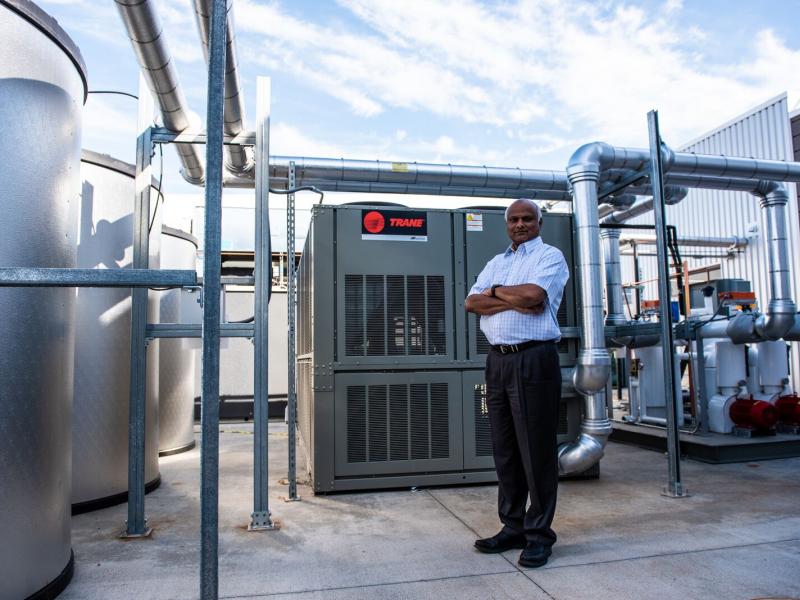
PNNL engineer Srinivas Katipamula was recognized by the American Council for an Energy-Efficient Economy with a 2020 Champion of Energy Efficiency Award.
Contributions from researchers across Pacific Northwest National Laboratory (PNNL) were recently recognized in the preliminary findings of a Secretary of Energy Advisory Board (SEAB) report.
Four researchers from PNNL were recently honored for contributing to two U.S. Department of Energy Office of Energy Efficiency and Renewable Energy initiatives that support the blue economy and building-grid integration.
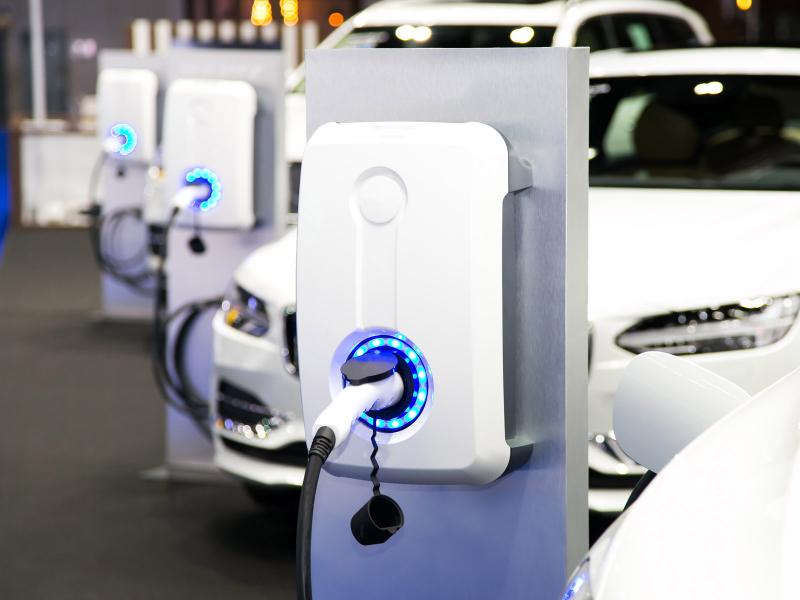
A new PNNL report says the western U.S. power system can handle large-scale vehicle electrification up to 24 million vehicles through 2028, but more than that and cities could start feeling the squeeze.
PNNL and Oklahoma State University join forces to understand the chemistry of sodium-ion and potassium-ion batteries thanks to an award from the U.S. Department of Energy's Established Program to Stimulate Competitive Research (EPSCoR).
Their consistency and predictability makes tidal energy attractive, not only as a source of electricity but, potentially, as a mechanism to provide reliability and resilience to regional or local power grids.
Researchers at PNNL have developed a software tool that helps universities, small business, and corporate developers to design better batteries with new materials that hold more energy.
PNNL and WSU researchers have improved the performance and life cycle of sodium-ion battery technology to narrow the gap with some lithium-ion batteries.
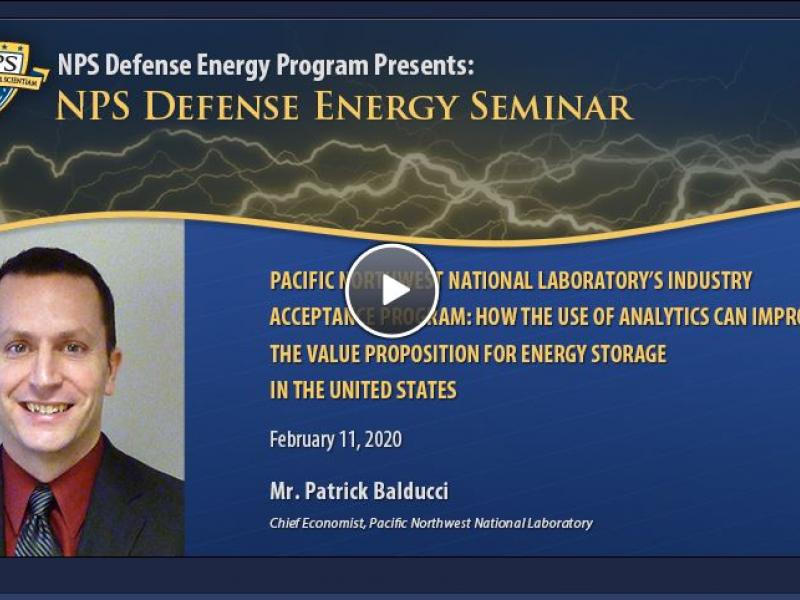
PNNL’s Patrick Balducci delivered an information-packed tutorial on grid energy storage valuation at the Naval Postgraduate School in Monterey, California.
Researchers at PNNL have come up with a novel way to use silicon as an energy storage ingredient, replacing the graphite in electrodes. Silicon can hold 10 times the electrical charge per gram, but it comes with problems of its own.
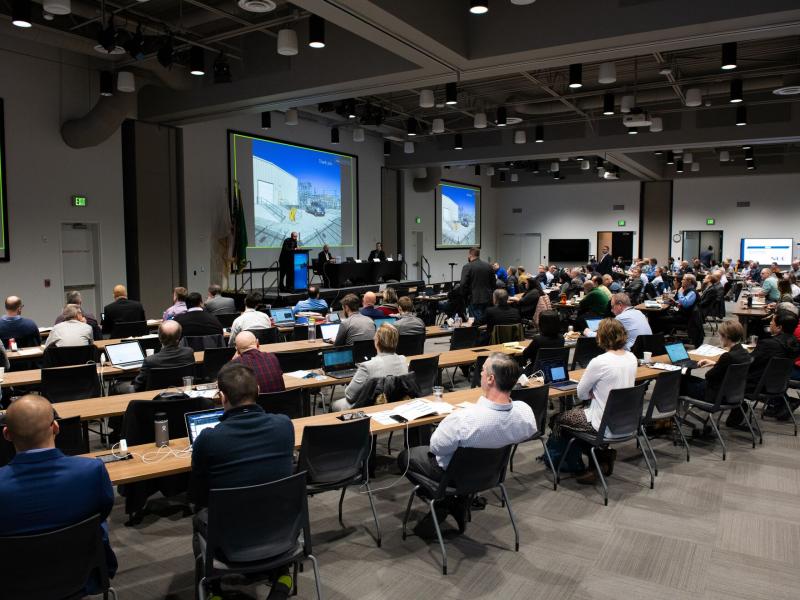
The Energy Storage System Safety and Reliability Forum at PNNL brought together more than 120 energy storage experts from the U.S. Department of Energy, the national laboratories, utilities, industry and academia.
PNNL’s Srinivas Katipamula and Nora Wang have received a Northwest Energy Efficiency Alliance award for contributing to the success of Seattle’s Building Tune-Up Accelerator Program.