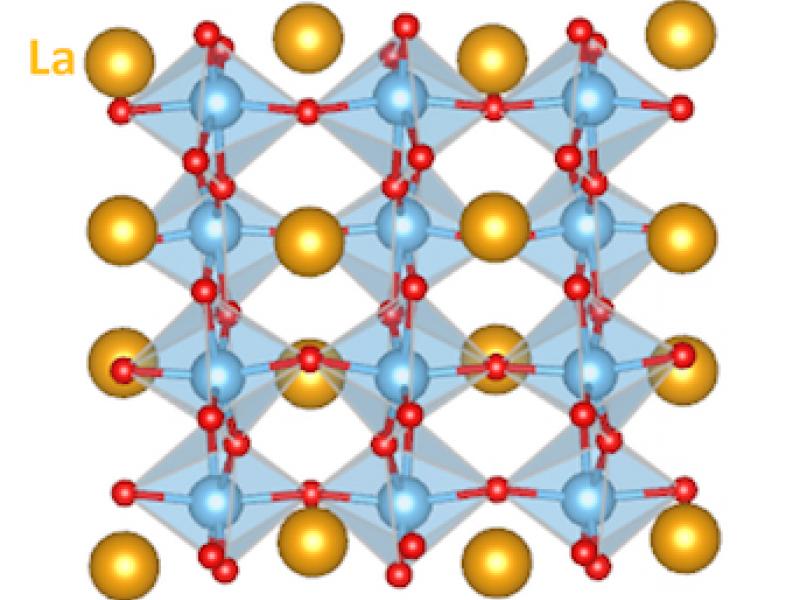
Researchers apply numerical simulations to understand more about a sturdy material and how its basic structure responds to and resists radiation. The outcomes could help guide development of the resilient materials of the future.
Researchers have come up with a new method for creating synthetic “colored” nanodiamonds, a step on the path to realization of quantum computing, which promises to solve problems far beyond the abilities of current supercomputers.
The U.S. Nuclear Regulatory Commission, U.S. Army Corps of Engineers, and PNNL partnered to complete—in record time—an environmental impact statement for the nation’s first small modular nuclear reactor, to be sited at Clinch River, Tenn.
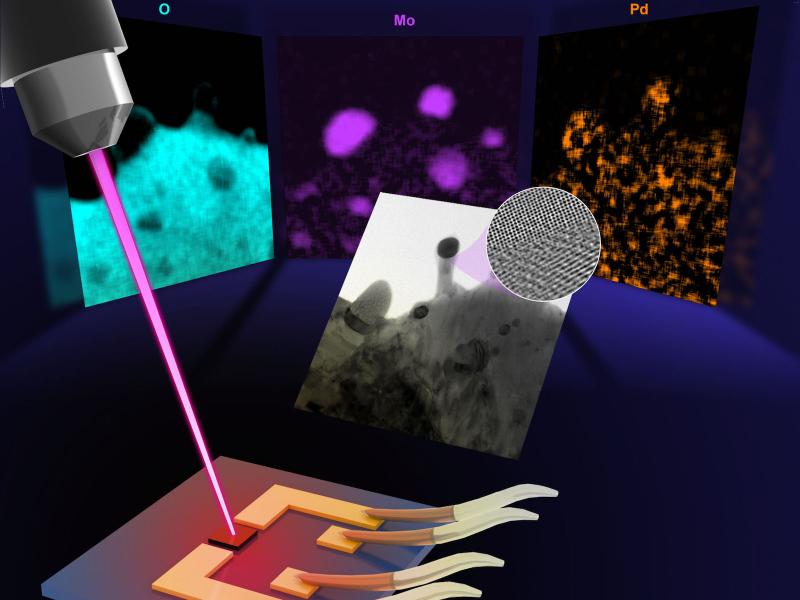
It’s hot in there! PNNL researchers take a close, but nonradioactive, look at metal particle formation in a nuclear fuel surrogate material. What they found will help fill knowledge gaps and could lead to better nuclear fuel designs.
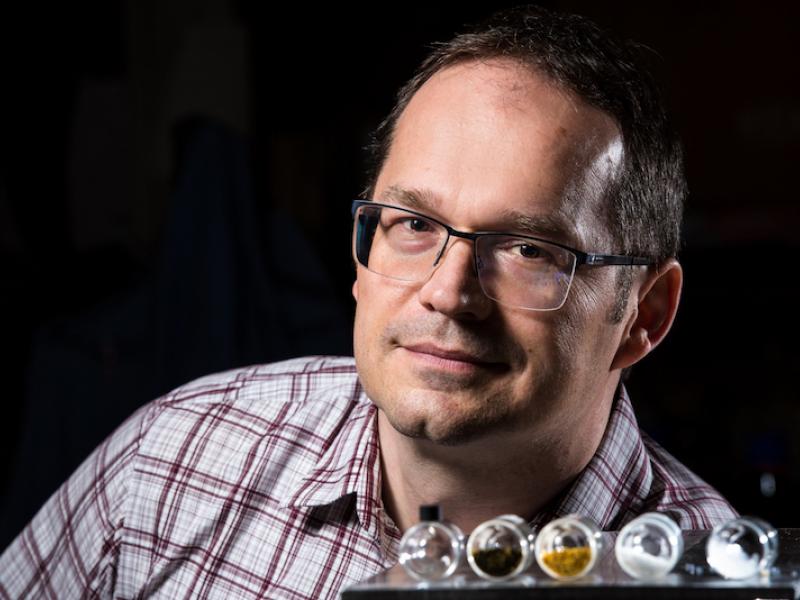
Josef "Pepa" Matyas, a materials scientist in PNNL’s Nuclear Sciences Division, has been elected a fellow of the American Ceramic Society (ACerS). He will be recognized at the ACerS annual meeting on September 30, 2019, in Portland, Ore.
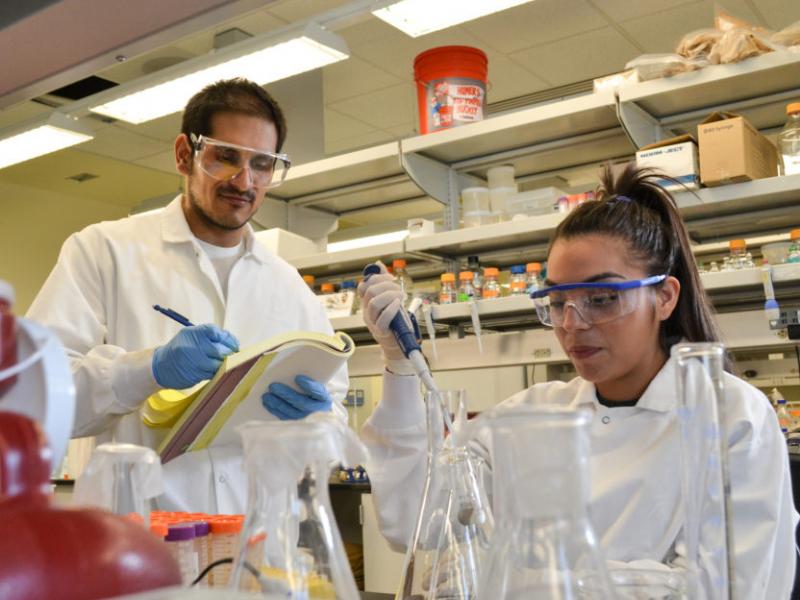
Researchers used novel methods to safely create and analyze plutonium samples. The approaches could prove influential in future studies of the radioactive material, benefitting research in legacy, national security and nuclear fuels.
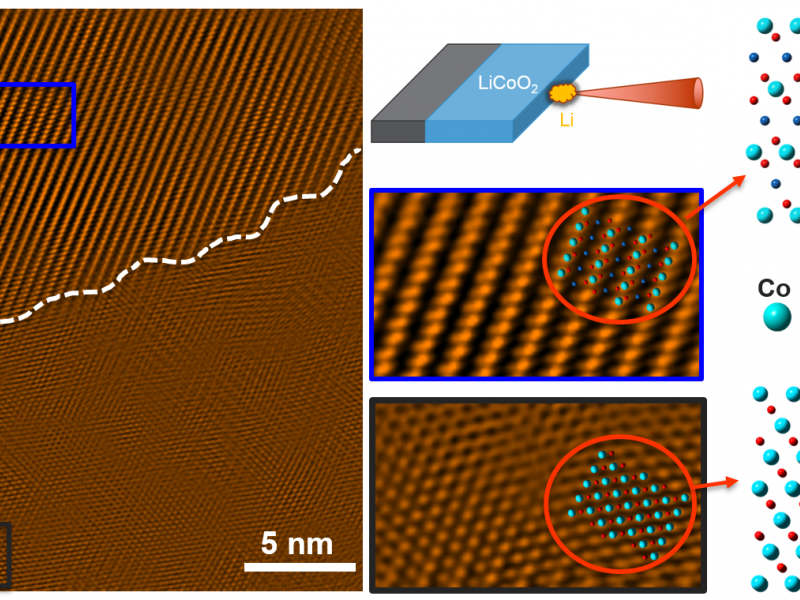
A recent study pinpointed the reaction front where lithium (Li) dendrites can come into contact with cathode materials. It also detailed the Li propagation pathway and reaction steps that lead to cathode failure.
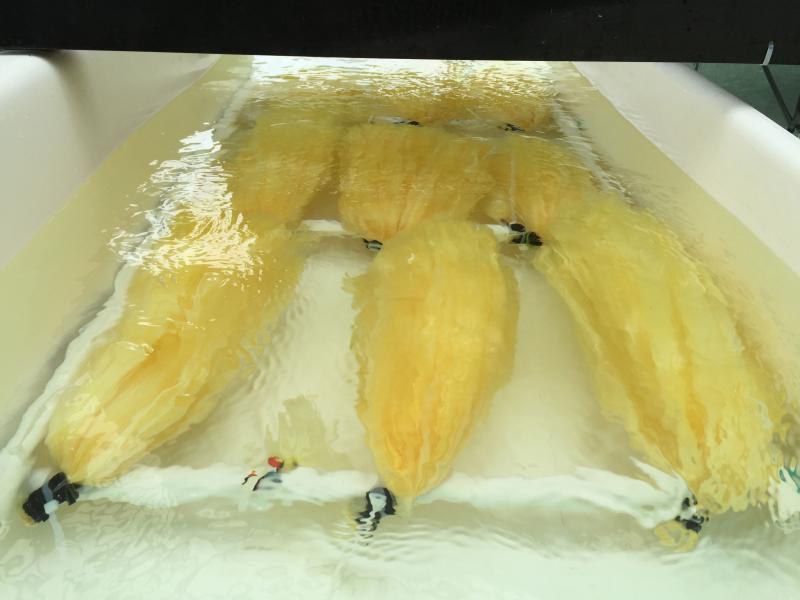
For the first time, researchers have created a gram of yellowcake — a powdered form of uranium used to produce fuel for nuclear power production — using modified acrylic fibers to extract it from seawater.
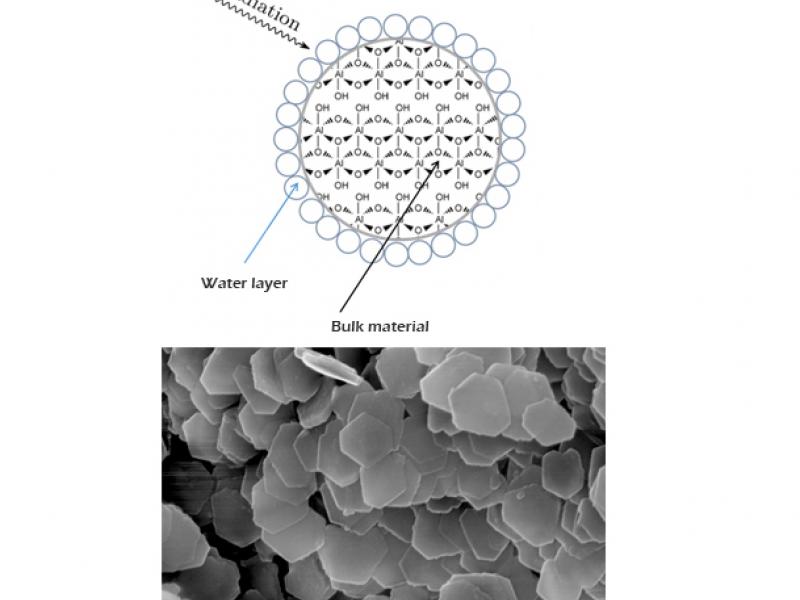
Vitrifying nuclear waste for storage is complicated by aluminum and understanding this behavior is vital. Research suggests that upon radiolysis, the properties of humid aluminum particles do not change substantially but hydrogen is formed.
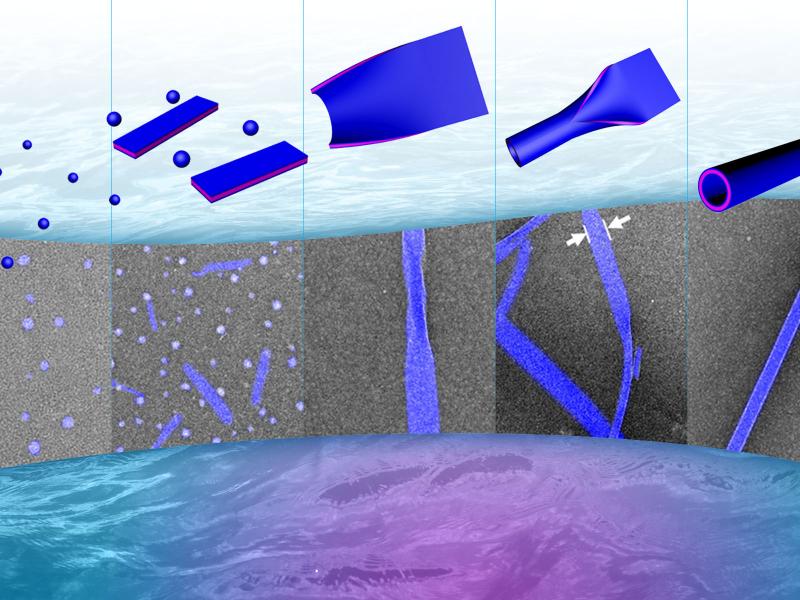
Imagine a hollow tube thousands of times smaller than a human hair. Now envision filthy water flowing through an array of such tubes, each designed to capture contaminants on the inside, with clean water emerging at the other end.